HMRC pays £175m to Quantexa for AI that flags fraud and tax errors within 18 months.
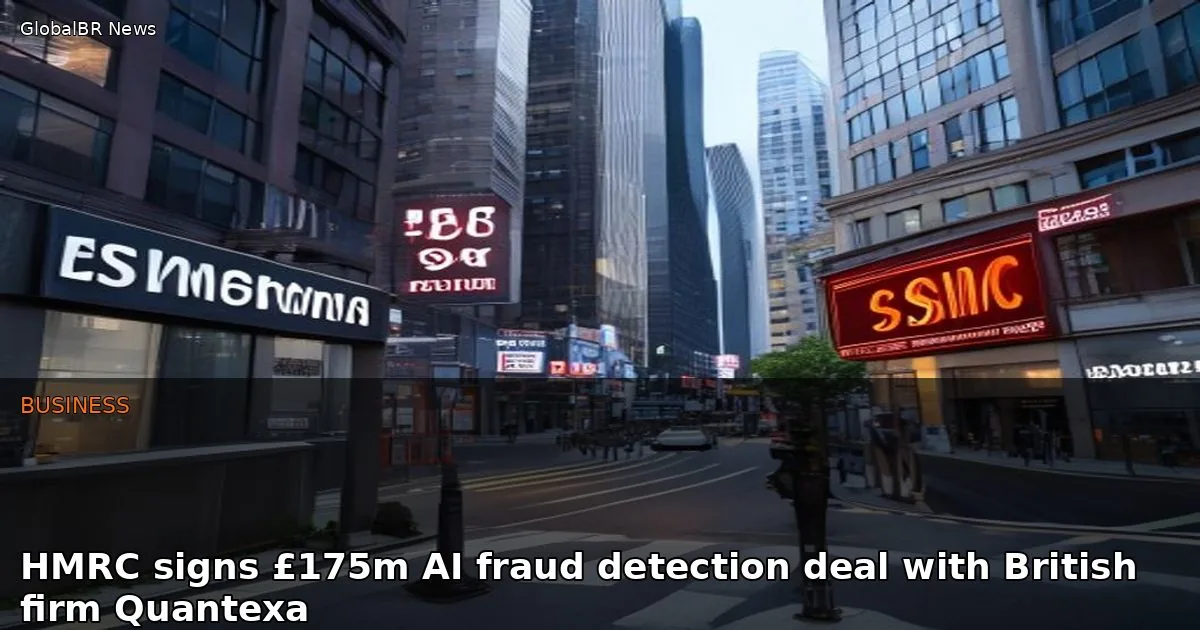
- HMRC signs £175m contract with Quantexa for AI fraud detection
- System targets fraud and tax return errors nationwide
- AI deployment scheduled to go live within 18 months
The UK’s tax authority HMRC has awarded a £175m contract to Quantexa, a British financial data analytics firm, to implement an AI-driven system designed to detect fraud and inaccuracies in tax returns. The decision, announced on Thursday, marks one of the largest government investments in AI technology to date. The system is expected to go live within 18 months, according to HMRC officials.
Quantexa’s platform will process millions of tax records daily, using machine learning algorithms to identify suspicious patterns, inconsistencies, and potential fraud. The technology is designed to integrate with HMRC’s existing databases, including Self Assessment, VAT, and Corporation Tax records. HMRC estimates the AI system will significantly reduce the time and resources spent on manual compliance checks, allowing investigators to focus on high-risk cases.
AI replaces thousands of manual reviews
HMRC currently employs around 2,500 compliance officers who manually review tax returns flagged for potential errors or fraud. The new AI system is expected to automate a large portion of this workload, freeing staff to investigate only the most complex or high-value cases. Officials say the technology will improve accuracy by reducing human error in initial screenings.
The contract with Quantexa follows a competitive tendering process that began in early 2024. Other firms, including global tech giants, were reportedly considered, but Quantexa’s proposal was selected for its ability to deliver a scalable, UK-based solution with strong data security credentials. The firm has previously worked with banks and government agencies on financial crime detection.
Critics question long-term reliability of AI in tax collection
Some tax experts and privacy advocates have raised concerns about the long-term reliability of AI systems in tax administration. Questions have been raised about the potential for false positives, which could lead to unnecessary audits or disputes. Others worry about data privacy, given the sensitive nature of the financial information involved. HMRC has stated that the system will comply with UK data protection laws and undergo rigorous testing before full deployment.
The government has defended the investment, arguing that AI will help recover an estimated £35bn in lost tax revenue annually due to errors and fraud. HMRC’s Permanent Secretary, Jim Harra, said in a statement that the technology will modernize the tax authority’s operations and improve fairness by ensuring all taxpayers are treated equally under the law. The system will also align with the government’s broader digital transformation strategy for public services.
Next steps and broader impact
Over the next 12 months, Quantexa and HMRC will collaborate on pilot testing and refining the AI models. The system’s first phase will focus on high-volume tax areas such as Self Assessment and PAYE, before expanding to other areas. HMRC has not disclosed whether additional contracts will follow, but industry analysts suggest this could pave the way for more AI-driven tax compliance tools in the future. The project is also expected to create jobs in the UK’s AI and data science sectors, with Quantexa committing to hire locally for technical roles.
The broader implications of this contract extend beyond tax collection. It signals a shift toward automated compliance tools in public sector agencies, raising questions about the balance between efficiency and oversight. If successful, the system could serve as a model for other government departments facing similar challenges in fraud detection and data analysis. For taxpayers, the changes may mean fewer manual errors in processing and faster resolution of disputes—but also less human discretion in initial assessments.
What You Need to Know
- Source: BBC News
- Published: May 14, 2026 at 05:10 UTC
- Category: Business
- Topics: #bbc · #business · #economy · #british · #quantexa · #hmrc-ai-fraud-detection
Read the Full Story
This is a curated summary. For the complete article, original data, quotes and full analysis:
All reporting rights belong to the respective author(s) at BBC News. GlobalBR News summarizes publicly available content to help readers discover the most relevant global news.
Curated by GlobalBR News · May 14, 2026
Related Articles
- Lawyers sanctioned $110K for fake AI citations in landmark Oregon case
- Taiwan arms sales top Trump-Xi talks agenda as Xi meet ends
🇧🇷 Resumo em Português
O governo britânico acaba de dar um passo decisivo na guerra contra a sonegação fiscal, investindo £175 milhões em uma ferramenta de inteligência artificial que promete revolucionar a fiscalização no Reino Unido — e que, mais cedo ou mais tarde, pode servir de modelo para o Brasil. A Receita Britânica (HMRC) fechou um contrato com a empresa Quantexa para implementar um sistema capaz de detectar fraudes e erros em declarações de impostos com uma precisão nunca vista, graças ao uso massivo de dados e algoritmos avançados. Com a promessa de entrar em operação em até 18 meses, a iniciativa levanta uma questão crucial: até que ponto o Brasil, que enfrenta perdas bilionárias com a sonegação, poderia se beneficiar de tecnologias similares?
A relevância dessa notícia para o Brasil é direta: segundo o Sindicato Nacional dos Procuradores da Fazenda Nacional (Sinprofaz), o país perde cerca de R$ 500 bilhões por ano com evasão fiscal, um valor equivalente a quase 5% do PIB nacional. Enquanto isso, a Receita Federal brasileira já utiliza algumas ferramentas de análise de dados, como o cruzamento de informações bancárias e a malha fina, mas ainda enfrenta desafios como a morosidade processual e a complexidade do sistema tributário. A adoção de IA no combate à fraude, como a proposta britânica, poderia agilizar investigações, identificar padrões suspeitos em tempo real e até mesmo prevenir desvios antes que ocorram, poupando recursos e aumentando a arrecadação sem a necessidade de aumentar impostos.
O próximo passo, tanto para o Reino Unido quanto para o Brasil, será acompanhar os resultados dessa parceria nos próximos anos — e, no caso brasileiro, avaliar se há viabilidade para um projeto semelhante, seja por meio de investimentos em startups nacionais de tecnologia fiscal ou pela importação de soluções internacionais. Se o modelo der certo, o Brasil poderia reduzir sua dependência de medidas emergenciais, como a volta da CPMF, e apostar em inovação para equilibrar as contas públicas sem sobrecarregar ainda mais o contribuinte.
🇪🇸 Resumen en Español
La Agencia Tributaria británica ha apostado por la inteligencia artificial con un contrato millonario que marca un antes y un después en la lucha contra el fraude fiscal.
Con un acuerdo de 175 millones de libras suscrito con la firma Quantexa, HMRC busca modernizar su capacidad de detección de irregularidades en declaraciones fiscales, un paso que promete mayor eficiencia aunque también reaviva el debate sobre privacidad y uso de datos. Para contribuyentes y empresas hispanohablantes, especialmente aquellas con intereses en Reino Unido, este movimiento subraya la creciente dependencia de algoritmos en la fiscalidad global, donde la transparencia y el rigor tecnológico podrían convertirse en estándares difíciles de ignorar. La implantación en menos de año y medio sitúa a Londres a la vanguardia de una tendencia que otros gobiernos, incluidos algunos de Latinoamérica, podrían replicar en un futuro cercano.
BBC News
Read full article at BBC News →This post is a curated summary. All rights belong to the original author(s) and BBC News.
Was this article helpful?


Discussion