Stockholm opens its first public sauna this month, ending years-long waits for waterside ‘bastu’ access.
- Stockholm’s first public sauna opens this month after years of waiting lists
- Traditional ‘bastu’ clubs often have 1,000+ names on waiting lists for years
- New sauna will be free and open to all, no membership needed
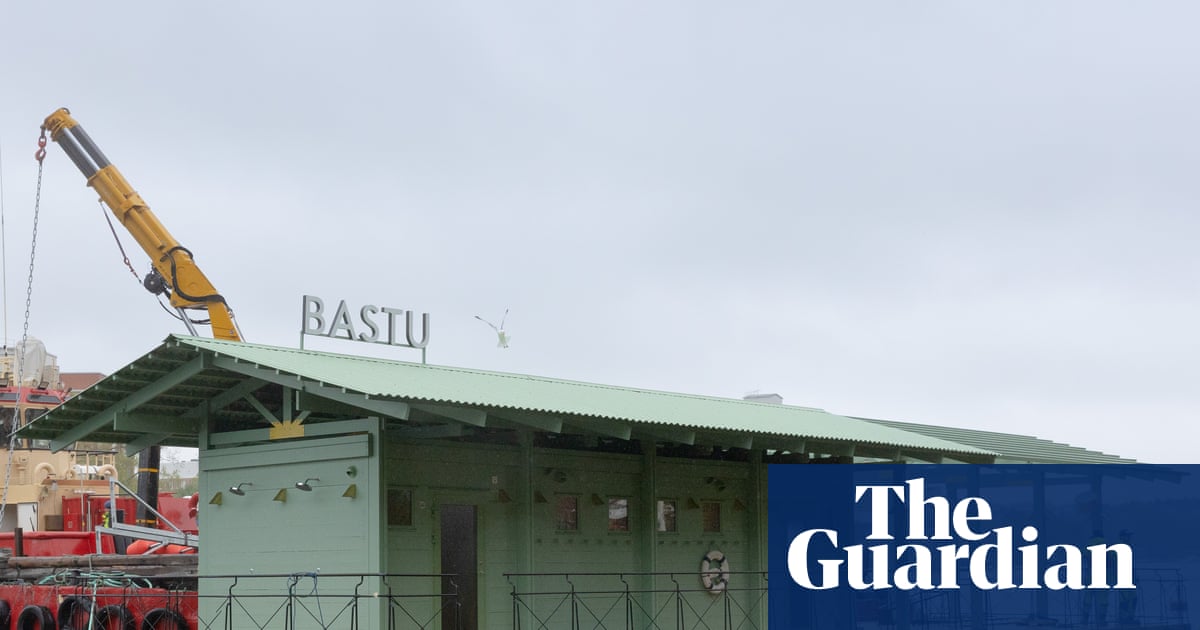
Stockholm’s first publicly run sauna will open this month, ending a decades-old tradition where access meant joining a private club—and then waiting years, sometimes a decade, just to step inside. For the city’s sauna lovers, this is a big deal: a chance to ‘bastu’—the Swedish word for sauna—in a waterside wooden hut without a membership, lottery, or luck of the draw. The new sauna, run by the city’s parks department, sits on the island of Södermalm in a small red hut by the water. It’s basic—no frills, no spa treatments—but it’s public. ‘We wanted to make sure everyone has a place,’ said Malin Danielsson, the city official in charge of the project. ‘Sauna culture shouldn’t be a luxury. It should be part of everyday life here.’
Why Stockholm’s sauna scene has been broken for years
Saunas are everywhere in Stockholm. Walk along the shoreline in winter, and you’ll see people wrapped in towels, slipping from hot huts into icy water. The city’s 1.6 million residents treat saunas like a second home—some go daily, others a few times a week. But the most popular spots? They’re like exclusive nightclubs. The Fiskartorpet club, for example, has over 1,200 names on its waiting list. Others require recommendations from existing members just to apply. When spots open up, they vanish in hours. ‘I’ve been on the list for seven years,’ said Lena Eriksson, a 42-year-old teacher. ‘I gave up hope. Now my kids and I can finally go without begging someone to vouch for us.’
The problem isn’t just Stockholm. Nordic countries like Finland and Norway have public saunas, but Sweden’s tradition leans private. Most of Stockholm’s waterside saunas are tied to clubs, co-ops, or even companies. Some charge annual fees up to $1,000. Others restrict access to members’ friends and family. The city tried before to fix this—opening temporary saunas in parks during heatwaves—but they were seasonal and often overcrowded. This new spot is year-round, heated properly, and doesn’t require a club card.
What the new sauna actually looks like
The hut sits on a small pier in Södermalm’s Årsta havsbad nature reserve. It’s 12 square meters inside—enough for 8-10 people at a time. The walls are lined with untreated pine. There’s a wood-fired stove, buckets of water for throwing on the rocks, and a single shower. Outside, a wooden deck leads to a small dock where swimmers can plunge into the Baltic Sea. Entry is free, but you’ll need to book online in advance. ‘It’s not a spa,’ said Danielsson. ‘It’s a no-frills, honest-to-goodness bastu. The kind our grandparents used.’
The city plans to open three more public saunas by next summer, all in different neighborhoods. The goal isn’t to replace the private clubs but to give everyone a fair shot at the tradition. ‘We’re not trying to kill the old system,’ Danielsson said. ‘We’re just trying to make sure no one gets locked out.’
The cultural shift behind the move
Stockholm’s sauna culture traces back to the 19th century, when workers and sailors used them for warmth and hygiene. Over time, they became social hubs—places to gossip, drink coffee, or cool off after a swim. But as the city grew, so did the barriers. ‘Saunas used to be for everyone,’ said Johan Berg, a local historian. ‘Now they’re a status symbol. That’s not what Sweden’s about.’
The city’s move reflects a broader push to make public spaces more inclusive. Last year, Stockholm opened its first public outdoor gyms. Next year, it’s testing free public showers in parks. ‘This isn’t about politics,’ said Anna-Karin Hedström, a city council member. ‘It’s about access. Saunas are part of our identity. Why should only a few get to enjoy them?’
For now, the new sauna is a test run. If it’s a hit, expect more. If not, the city will tweak the model. Either way, one thing’s clear: Stockholm’s sauna lovers are done waiting in line for a chance to relax.
In two weeks, the hut on Södermalm will open its doors. The first 50 people to book online will get a slot. After that, the city will add more dates. No waiting list. No membership. Just a key to a hut—and a chance to finally ‘bastu’ like everyone else.
What You Need to Know
- Source: The Guardian
- Published: May 17, 2026 at 04:00 UTC
- Category: World
- Topics: #guardian · #world-news · #international · #stockholm · #unlike · #nordic
Read the Full Story
This is a curated summary. For the complete article, original data, quotes and full analysis:
All reporting rights belong to the respective author(s) at The Guardian. GlobalBR News summarizes publicly available content to help readers discover the most relevant global news.
Curated by GlobalBR News · May 17, 2026
Related Articles
- 🎉 250 Articles in World!
- WHO declares Ebola emergency as Congo outbreak spreads to Uganda
- WHO declares Ebola outbreak in DR Congo a global emergency
🇧🇷 Resumo em Português
A capital sueca, conhecida por seus lagos gelados e cultura do lagom (nem mais nem menos), acaba de lançar um novo atrativo que promete esquentar o inverno nórdico: a primeira sauna pública financiada pelo município de Estocolmo, que finalmente abre suas portas após anos de listas de espera intermináveis. O novo espaço, instalado à beira-mar, oferece acesso gratuito a todos os cidadãos — uma inovação em um país onde as bastu (saunas tradicionais) sempre foram sinônimo de exclusividade ou longas esperas em clubes privados.
O modelo, que dispensou a necessidade de filiação ou pagamento, chega em um momento em que a Suécia debate não só saúde pública — já que as saunas são associadas a bem-estar e redução de estresse —, mas também inclusão social. Para o Brasil, onde as saunas também ganham adeptos nos centros urbanos como alternativa de lazer e relaxamento, a iniciativa pode servir de inspiração, especialmente em cidades litorâneas ou com invernos rigorosos, como no Sul do país. Especialistas brasileiros já apontam para o potencial de políticas públicas que democratizem o acesso a espaços de saúde preventiva, ainda dominados por elites ou empreendimentos fechados.
A abertura da sauna em Estocolmo marca apenas o início: outras cidades nórdicas já anunciam projetos similares, enquanto o Brasil observa — e talvez aprenda — como equilibrar tradição, saúde e acessibilidade.
🇪🇸 Resumen en Español
El municipio de Estocolmo ha inaugurado el primer sauna público de la ciudad, una iniciativa pionera que pone fin a años de listas de espera para acceder a los tradicionales bastu suecos junto al agua. La nueva instalación, de entrada gratuita y sin necesidad de ser socio, llega en un momento en que el bienestar y los espacios comunitarios ganan peso en la agenda social europea.
La apertura del sauna municipal responde a una creciente demanda por servicios públicos de calidad y a la necesidad de democratizar el acceso a prácticas de relajación y salud, muy arraigadas en los países nórdicos. Para los hispanohablantes, este modelo puede servir de referencia en ciudades donde el estrés y la vida acelerada han impulsado el interés por alternativas como los baños termales o las saunas compartidas, aunque en muchos casos con listas de espera interminables. Además, refleja cómo las capitales europeas están repensando el ocio urbano, apostando por espacios inclusivos que fomenten la convivencia y el autocuidado sin barreras económicas.
The Guardian
Read full article at The Guardian →This post is a curated summary. All rights belong to the original author(s) and The Guardian.
Was this article helpful?


Discussion