NRG’s CEO is building new gas plants for AI data centers and pushing ‘virtual power plants’ to make America’s grid smarter and cheaper.
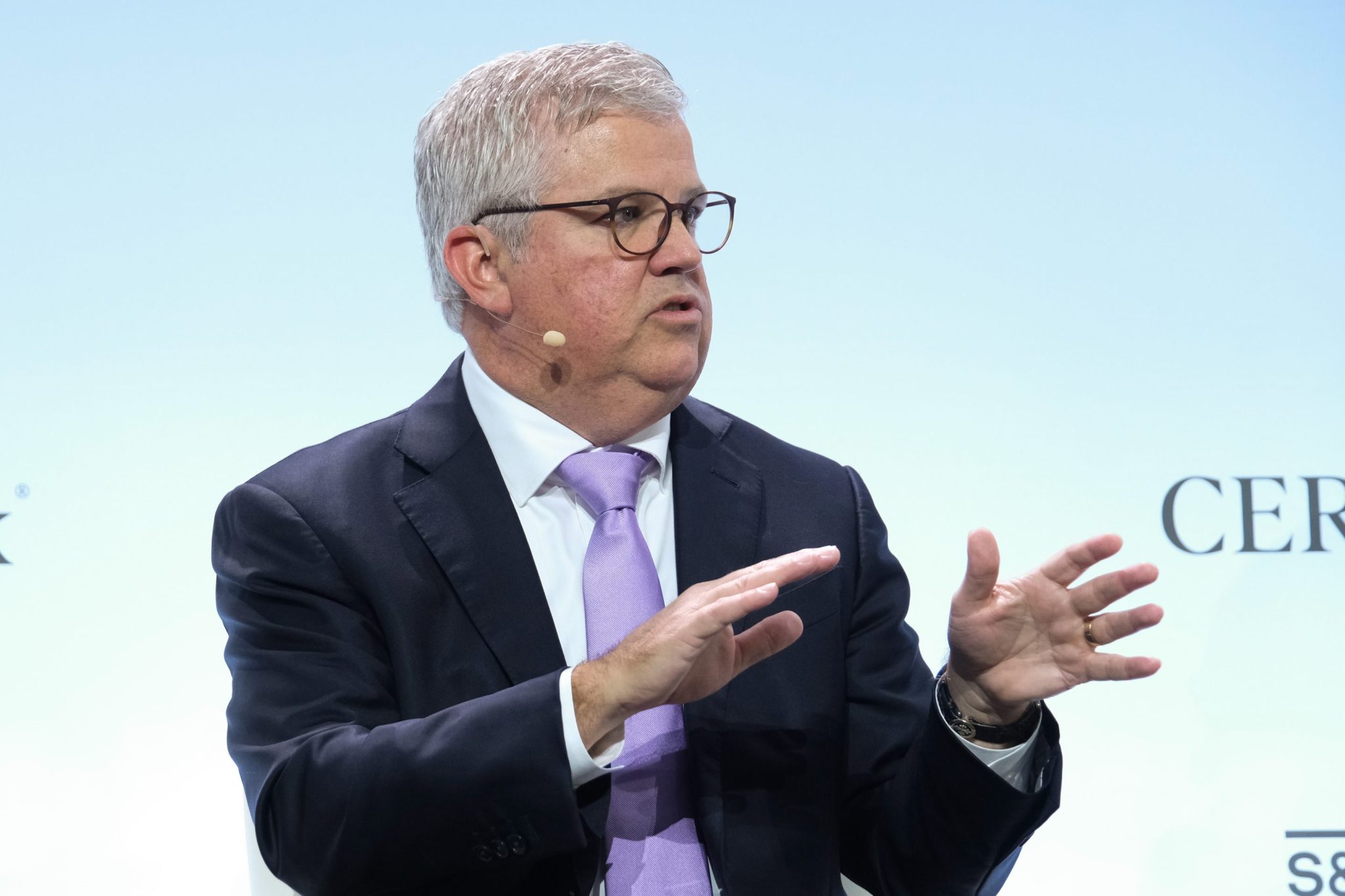
- NRG’s new CEO Robert Gaudette took over at the end of April
- He’s expanding gas plants to power AI data centers nationwide
- NRG is also pushing ‘virtual power plants’ to modernize the grid
Robert Gaudette didn’t waste time stepping into his new role as NRG Energy’s CEO. He took over at the end of April with a clear agenda: feed the AI beast and fix the U.S. power grid. The AI boom is driving a surge in demand for electricity, and data centers need reliable power fast. NRG is responding by building new gas-fired power plants across the country to keep up. But Gaudette isn’t just focused on brute-force power generation. He’s also pushing to make the grid smarter, cheaper, and more efficient using tech like demand-response programs and “virtual power plants.” These tools let NRG tap into unused power from homes and businesses—like adjusting thermostats or pausing industrial equipment—when demand spikes, then send excess renewable energy back to the grid when possible. The goal? Lower costs for everyone and a grid that can handle the future without breaking the bank.
The AI data center crunch
Gaudette’s push for new gas plants is a direct response to the AI revolution. Hyperscalers like Microsoft and Meta are racing to build data centers to train and run AI models, and they need massive amounts of power. NRG isn’t just dotting the country with new plants—it’s also tailoring solutions for each client’s “bespoke desires and needs.” That means flexible contracts, rapid construction, and reliability guarantees. For now, Gaudette sees gas as the quickest way to meet this demand while renewables scale up. It’s a pragmatic move in a sector where timing is everything.
Making the grid smarter, not just stronger
But Gaudette knows new power plants alone won’t fix America’s aging grid. That’s where virtual power plants and demand-response programs come in. These systems use AI to coordinate power use across homes and businesses in real time. When demand peaks, NRG can remotely adjust thermostats, shift industrial loads, or pull from batteries and rooftop solar. Participants get paid or credited for letting NRG tap into their unused capacity. It’s a win-win: customers save money, NRG avoids building costly new plants, and the grid stays stable. Gaudette’s team is rolling these programs out nationwide, aiming to turn the U.S. grid into a two-way street where power flows both ways.
NRG isn’t alone in this shift. Other utilities, like NextEra Energy and Southern Company, are also investing in smart grid tech. But Gaudette’s dual focus—AI power and grid modernization—sets NRG apart. He’s betting that the companies that can balance both will lead the next decade of energy. “We’re not just building power plants,” he said in a recent interview. “We’re building a system that adapts.”
The road ahead: challenges and opportunities
There are hurdles, of course. Building new gas plants faces regulatory and environmental pushback, and virtual power plants require widespread adoption of smart tech in homes and businesses. But Gaudette is confident NRG can navigate both. The company’s existing fleet of power plants gives it a head start, and its partnerships with tech giants mean it’s already plugged into the AI ecosystem. The bigger risk might be falling behind if demand for AI power outpaces supply—or if the grid’s fragility causes blackouts that disrupt the economy.
For now, Gaudette’s strategy is clear: double down on AI power while making the grid leaner and smarter. If he succeeds, NRG won’t just keep the lights on—it’ll help shape how America powers its future. And that future is electric, data-driven, and a lot more efficient than today’s grid.
What You Need to Know
- Source: Fortune
- Published: May 17, 2026 at 07:08 UTC
- Category: Business
- Topics: #fortune · #business · #economy · #environment · #energy · #sustainability
Read the Full Story
This is a curated summary. For the complete article, original data, quotes and full analysis:
All reporting rights belong to the respective author(s) at Fortune. GlobalBR News summarizes publicly available content to help readers discover the most relevant global news.
Curated by GlobalBR News · May 17, 2026
Related Articles
🇧🇷 Resumo em Português
A revolução energética finalmente chega ao Brasil, mas com um toque brasileiro: a aposta em inteligência artificial e redes inteligentes para reduzir contas de luz. A NRG Energy, gigante americana do setor, acaba de nomear Robert Gaudette como CEO com uma missão clara: transformar o modelo energético dos EUA, e isso pode ter reflexos globais, inclusive no Brasil, onde a modernização do setor elétrico é urgente.
Gaudette não está brincando em serviço. Enquanto o mundo debate transição energética, ele mira diretamente no bolso do consumidor ao propor uma combinação explosiva: usinas a gás alimentando data centers de IA e, ao mesmo tempo, a expansão das chamadas “virtual power plants” (redes virtuais de energia) e gestão inteligente da demanda. Para o Brasil, onde os apagões ainda assombram e as tarifas de energia são um pesadelo, essa estratégia pode ser um divisor de águas — especialmente se o país conseguir adaptar tecnologias similares para equilibrar sua matriz, cada vez mais dependente de renováveis intermitentes como eólica e solar.
O próximo passo é observar se a estratégia de Gaudette vai realmente reduzir custos nos EUA e, com isso, criar um modelo replicável — ou se vai esbarrar nos mesmos desafios que o Brasil enfrenta: falta de investimentos, burocracia e resistência à modernização do setor.
🇪🇸 Resumen en Español
El nuevo CEO de NRG apuesta por las plantas de gas para alimentar centros de datos de inteligencia artificial y, al mismo tiempo, acelera la modernización de la red eléctrica estadounidense mediante plantas virtuales y gestión inteligente de la demanda, una jugada que podría redefinir el futuro energético del país.
Este movimiento llega en un momento crítico, con la demanda energética disparada por la expansión de la IA y los desafíos climáticos que exigen reducir emisiones sin sacrificar el suministro. Para los consumidores hispanohablantes en EE.UU., la apuesta de NRG no solo promete estabilidad en los precios de la luz a largo plazo —evitando picos por saturación de la red—, sino también oportunidades en un mercado laboral en transición hacia energías más limpias y digitalizadas. La estrategia, aunque arriesgada, sitúa a la compañía en la vanguardia de un sector clave para la economía global.
Fortune
Read full article at Fortune →This post is a curated summary. All rights belong to the original author(s) and Fortune.
Was this article helpful?


Discussion