Long Island Rail Road strike halts service for a second day with 300,000 daily riders stuck as unions and state officials fail to reach a deal.
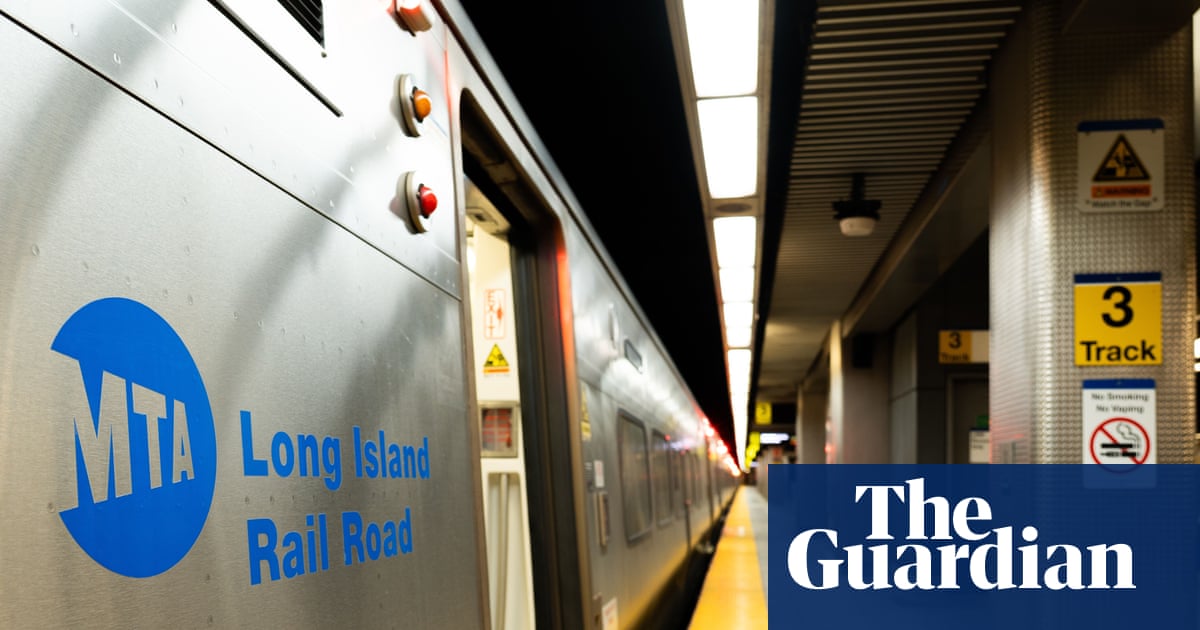
- Service halted Friday midnight after five unions walked out
- 300,000 daily riders affected across New York City and suburbs
- First strike in three decades for the Long Island Rail Road
The shutdown of the Long Island Rail Road (LIRR) entered its second day Sunday, crippling one of the busiest commuter rail systems in the world. The strike, called by five unions representing roughly half of the railroad’s 8,000 workers, began just after midnight Friday, halting all service between New York City and Long Island’s eastern suburbs. The system typically moves about 300,000 people each weekday, making this the first full shutdown in 30 years for a railroad that’s been running since 1834.
Governor Kathy Hochul of New York admitted Sunday that she’d tried to avoid the strike but blamed both the unions and the railroad’s management for failing to reach a deal. Speaking to reporters in Albany, Hochul said she’s holding emergency talks with union leaders and LIRR officials, but no progress had been reported by late Sunday. ‘I did not want a strike,’ Hochul said. ‘But both sides dug in hard, and now New Yorkers are paying the price.’
What caused the strike?
The unions—including the Transport Workers Union Local 100 and the Brotherhood of Locomotive Engineers and Trainmen—say they walked out over pay, benefits, and working conditions. The unions argue that LIRR workers haven’t seen a real raise in years, while inflation has eroded their purchasing power. They’re also pushing back against staffing cuts that they say make the system less safe. The railroad’s management, which is run by the state-run Metropolitan Transportation Authority (MTA), has offered a 10% raise over four years but says the unions are asking for too much.
Union leaders met privately with Hochul’s team Sunday, but no breakthroughs were announced. The unions want a 14% raise over two years, plus better healthcare and pension protections. The MTA says it can’t afford the unions’ demands without raising fares, which Hochul has already ruled out before the strike. ‘We’re not budging on the core issues,’ said one union spokesperson. ‘This is about respect.’
Who’s affected and how bad is it?
The strike hits hardest during the Monday morning rush hour, when the LIRR normally carries about 150,000 passengers into Manhattan’s Penn Station. With no trains running, those commuters are scrambling for alternatives. Many will try crowded subway lines or jam-packed buses, but those systems are already stretched thin. Others might drive, but Long Island’s highways are notorious for traffic jams, and parking near Manhattan is expensive and scarce.
The ripple effects could last for weeks. The LIRR is a lifeline for Long Island’s economy, connecting workers to jobs in the city. Businesses that rely on commuters—like diners, dry cleaners, and office supply stores—are already reporting drops in sales. Some employers told workers to stay home Monday, while others are letting staff work remotely. Schools on Long Island are preparing for potential disruptions, too, if parents can’t get to work.
What’s next?
Hochul has emergency powers to try to end the strike, but she’s reluctant to force workers back without a deal. The MTA’s board could impose a settlement, but that risks angering the unions further. Meanwhile, Hochul is looking for short-term fixes, like temporary bus shuttles or emergency ferry services. But none of these solutions can match the scale of the LIRR’s daily ridership.
The strike could drag on for days, or even weeks. If it does, the economic hit to Long Island and New York City could run into the hundreds of millions of dollars. Hochul’s office is urging both sides to return to the table immediately. ‘We can’t keep doing this,’ said a senior advisor. ‘Someone has to blink.’
For now, New Yorkers are stuck making tough choices. Some are carpooling. Others are staying overnight with friends in the city. A few are even considering moving closer to Manhattan to avoid the chaos. But for the thousands who rely on the LIRR every day, the strike is more than an inconvenience—it’s a crisis.
What You Need to Know
- Source: The Guardian
- Published: May 17, 2026 at 16:50 UTC
- Category: World
- Topics: #guardian · #world-news · #international · #shutdown · #disruption · #long-island-rail
Read the Full Story
This is a curated summary. For the complete article, original data, quotes and full analysis:
All reporting rights belong to the respective author(s) at The Guardian. GlobalBR News summarizes publicly available content to help readers discover the most relevant global news.
Curated by GlobalBR News · May 17, 2026
Related Articles
- Czech beer consumption drops sharply as young drink less
- 🎉 500 Articles in World!
- 🎉 250 Articles in World!
🇧🇷 Resumo em Português
O colapso do sistema ferroviário suburbano mais movimentado dos Estados Unidos entrou em seu segundo dia nesta segunda-feira, após 15 mil trabalhadores da Long Island Rail Road (LIRR) entrarem em greve na sexta-feira, deixando 300 mil passageiros diários literalmente à deriva. O caos nos trilhos paralisou o transporte de milhares de moradores de Nova York e arredores, expondo a fragilidade de uma infraestrutura que, embora essencial, segue suscetível a pressões trabalhistas e falta de investimentos.
Para o Brasil, que enfrenta desafios semelhantes em seus sistemas de transporte público — como os constantes problemas na malha ferroviária de São Paulo ou as greves recorrentes em metrôs de grandes capitais —, a situação nos EUA serve como um alerta sobre os riscos de uma gestão negligente e a ausência de diálogo entre empregadores e trabalhadores. A paralisação afeta não só a rotina de quem depende do trem para trabalhar ou estudar, como também a economia local, com perdas milionárias em produtividade e comércio. Especialistas brasileiros já apontam que a crise nos EUA reforça a necessidade de políticas públicas mais robustas e investimentos em modais alternativos para evitar cenas de desespero como as vistas em Long Island.
Agora, a expectativa é de que as negociações entre a empresa e os sindicatos se intensifiquem, com a possibilidade de intervenção governamental para evitar um colapso ainda maior.
🇪🇸 Resumen en Español
El sistema ferroviario de cercanías más transitado de Estados Unidos, el Long Island Rail Road, afronta su segundo día paralizado tras la huelga de 15.000 trabajadores, dejando sin servicio a 300.000 pasajeros diarios. La medida, que se prolonga por un conflicto laboral no resuelto, amenaza con colapsar la movilidad en una de las regiones más densamente pobladas del país, donde millones dependen a diario de este medio de transporte para llegar a sus empleos en Nueva York.
La huelga no solo paraliza la economía local, sino que expone la vulnerabilidad de una infraestructura crítica en una zona donde el transporte público es esencial para evitar el caos circulatorio. Para los hispanohablantes, muchos de ellos trabajadores esenciales o de bajos recursos que residen en Long Island y Queens, las consecuencias son inmediatas: pérdida de horas laborales, dificultades para acceder a servicios básicos y un golpe adicional a economías familiares ya resentidas. Además, la situación refleja los desafíos globales de la movilidad urbana y la necesidad de políticas laborales que equilibren derechos de los empleados con la estabilidad de servicios públicos imprescindibles.
The Guardian
Read full article at The Guardian →This post is a curated summary. All rights belong to the original author(s) and The Guardian.
Was this article helpful?



Discussion