Asteroid 2026 JH2 will safely fly past Earth on May 18, 2026, at a distance closer than the moon.
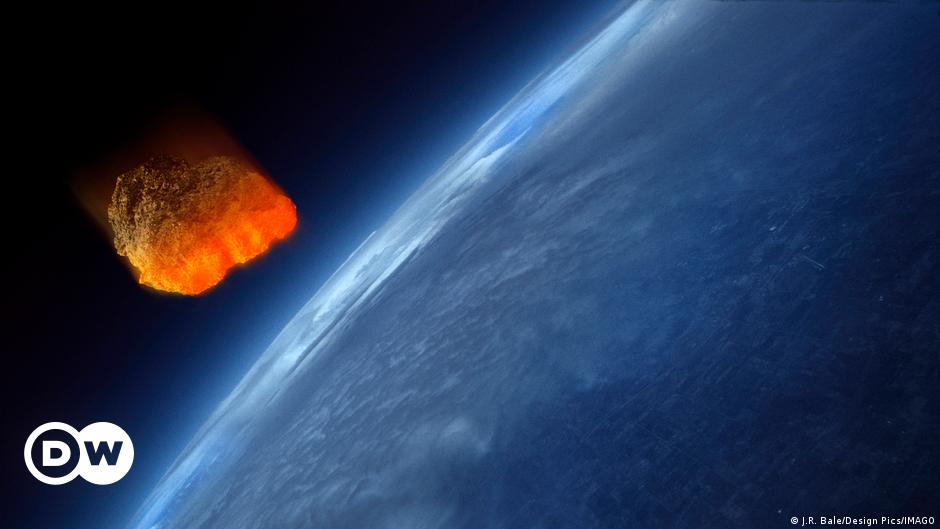
- Asteroid 2026 JH2 discovered May 10, 2026, just days before flyby.
- Space rock measures 320 meters, twice the size of the Eiffel Tower.
- Asteroid will pass within 100,000 km of Earth on May 18, 2026.
A newly detected asteroid, designated 2026 JH2, is set to make a close pass by Earth on May 18, 2026, according to astronomers. The space rock, roughly 320 meters in diameter—nearly twice the height of the Eiffel Tower—was spotted just eight days before its closest approach. Despite its size and proximity, scientists at the European Space Agency’s Planetary Defense Office confirm there is no risk of impact.
The asteroid will travel within about 100,000 kilometers of Earth, a distance closer than the average gap between Earth and the moon. While such headlines often spark public concern, experts emphasize that close flybys are common. ‘On a daily basis we are visited by many objects,’ said Juan Luis Cano, a mission analyst with ESA’s Planetary Defense Office. ‘Publications may frame these events as cliffhangers, but the reality is far less dramatic.’
How often do asteroids approach Earth?
NASA and ESA track thousands of near-Earth objects, but only a small fraction are classified as potentially hazardous. Most burn up harmlessly in the atmosphere, and even larger ones rarely pose a direct threat. According to estimates, Earth receives about 100 tons of space debris daily—though this material is typically made up of dust and small rocks rather than destructive boulders.
Asteroid 2026 JH2 was added to tracking databases shortly after its discovery on May 10, 2026. Its trajectory was quickly calculated, ruling out any chance of collision. Such rapid detection highlights the growing capability of ground-based observatories and automated sky surveys in spotting incoming objects before they come too close.
Media attention vs. scientific reality
Despite the lack of danger, close asteroid passes often dominate headlines. In 2024, Asteroid 2024 ON similarly drew media attention, even though it posed no threat. Cano noted that sensationalized coverage can overshadow the more frequent, routine nature of these events. ‘The public sees these stories and may worry, but the data shows these objects rarely come close enough to be a concern,’ he said.
While 2026 JH2 will not strike Earth, its flyby offers scientists a rare opportunity to study a sizable near-Earth asteroid up close. Radar observations and spectroscopic analysis could reveal details about its composition, structure, and rotation. Such data helps improve planetary defense strategies and enhances understanding of the solar system’s rocky inhabitants.
Ongoing monitoring by agencies like NASA’s Planetary Defense Coordination Office and ESA’s Near-Earth Object Coordination Centre ensures that any future threats are identified years in advance. For now, the focus remains on refining detection methods to provide earlier warnings for larger, more dangerous objects.
As space agencies expand their tracking networks, the frequency of asteroid discoveries will continue to rise. Each new detection adds to a growing database that improves prediction accuracy and public confidence in Earth’s safety.
What You Need to Know
- Source: Deutsche Welle
- Published: May 15, 2026 at 10:24 UTC
- Category: World
- Topics: #europe · #world-news · #science · #space · #astronomy
Read the Full Story
This is a curated summary. For the complete article, original data, quotes and full analysis:
All reporting rights belong to the respective author(s) at Deutsche Welle. GlobalBR News summarizes publicly available content to help readers discover the most relevant global news.
Curated by GlobalBR News · May 15, 2026
Related Articles
- Eurovision 2024 faces scrutiny over Israel’s participation amid war
- US Justice Department preparing indictment against Raúl Castro
- US planning to criminally indict ex-Cuban leader Raúl Castro
🇧🇷 Resumo em Português
Um asteroide recém-descoberto está prestes a fazer uma passagem impressionantemente próxima da Terra na próxima semana, mas não há motivo para pânico: cientistas garantem que não há risco de colisão. Com cerca de 15 metros de diâmetro, o objeto batizado de 2026 JH2 passará a apenas 100 mil quilômetros do nosso planeta — menos de um terço da distância até a Lua —, proporcionando aos astrônomos uma rara oportunidade de estudar um corpo celeste de perto.
A descoberta, feita dias antes da aproximação máxima, reforça a importância de investimentos em monitoramento espacial, especialmente em um momento em que agências como a NASA e a ESA intensificam seus esforços para rastrear objetos potencialmente perigosos. Para o Brasil, que participa de redes internacionais de detecção de asteroides, o evento serve como lembrete da necessidade de ampliar a colaboração científica e a infraestrutura de alerta precoce, já que um impacto de proporções semelhantes ao do 2026 JH2 poderia causar estragos locais.
Enquanto o 2026 JH2 segue sua trajetória sem representar ameaça, a passagem deve ser acompanhada por telescópios ao redor do globo, fornecendo dados valiosos para futuras missões de defesa planetária.
🇪🇸 Resumen en Español
Un objeto celeste recién detectado rozará la Tierra la próxima semana, en un encuentro cercano que, aunque llamativo, no entraña peligro alguno.
El asteroide 2026 JH2 fue identificado hace apenas unos días, cuando ya se encontraba en trayectoria de aproximación a nuestro planeta. Según los cálculos de los astrónomos, pasará a menos de 100.000 kilómetros de la superficie terrestre —una distancia segura, equivalente a un cuarto del trayecto a la Luna—, lo que permite descartar cualquier riesgo de impacto. Este episodio, más allá de su valor científico, sirve como recordatorio de la importancia de vigilar el cielo: aunque la mayoría de estos cuerpos son inofensivos, su detección temprana subraya la necesidad de invertir en sistemas de alerta global para prevenir futuras amenazas espaciales.
Deutsche Welle
Read full article at Deutsche Welle →This post is a curated summary. All rights belong to the original author(s) and Deutsche Welle.
Was this article helpful?

Discussion