A Perth father of two was killed by a shark while fishing at Rottnest Island on Saturday morning.
- Family describes 38-year-old as fiercely loyal and endlessly generous
- Attack happened near Horseshoe Reef around 9:55am Saturday
- Rottnest Island is 18km off Perth with strong tiger shark presence
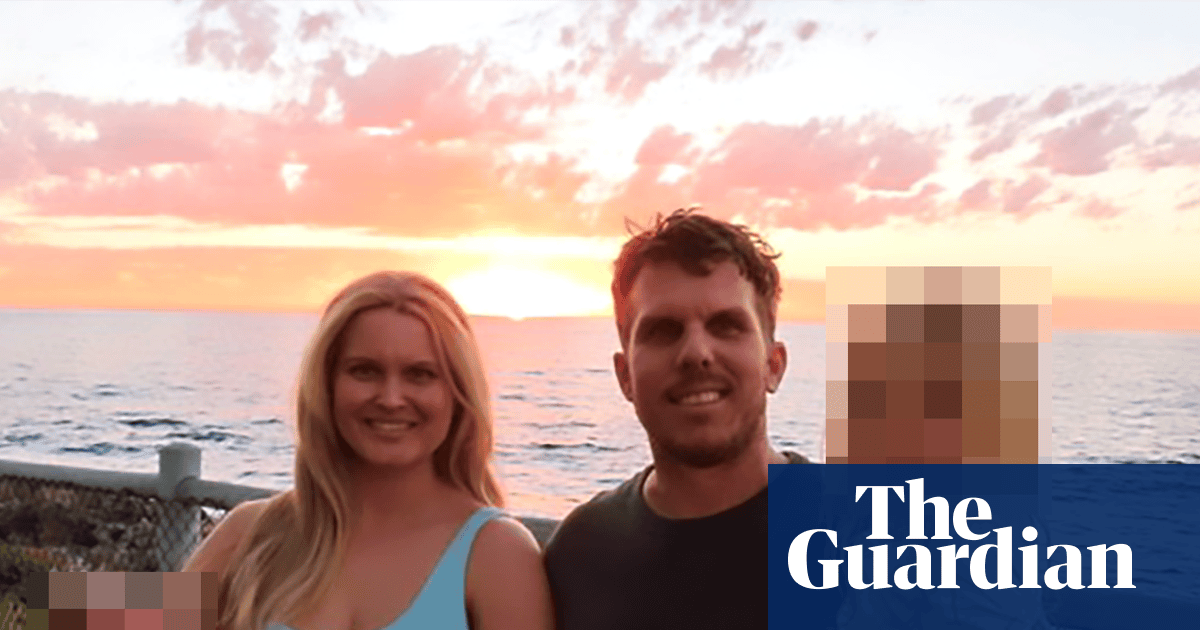
Steven Mattaboni, 38, leaves behind his wife Shirene and two young daughters after he was pulled underwater by a shark while fishing off Rottnest Island’s Horseshoe Reef at 9:55am on Saturday. Police confirmed his identity on Sunday, describing him as a surveyor from Perth with no prior incidents involving marine life. His family released a heartfelt statement calling him a ‘one-of-a-kind gentleman’ who was devoted to his daughters and generous to everyone he met.
Rottnest Island, 18km west of Perth, is known for its pristine waters but also sits in tiger shark territory. The species is common in WA waters, especially between summer and autumn, when attacks are more likely. Authorities confirmed the attack was limited to Mattaboni and didn’t pose a broader threat to swimmers or fishermen.
How the attack unfolded
Witnesses reported seeing Mattaboni wading in shallow water when a shark suddenly struck. He was pulled under but resurfaced briefly before disappearing again. Emergency services arrived within minutes but found no signs of life. The WA Department of Biodiversity, Conservation and Attractions issued a warning for other anglers to avoid the area temporarily, though officials later lifted it after assessing the risk.
Mattaboni’s family told reporters he’d gone to Rottnest Island often for fishing, a hobby he shared with his daughters. His wife Shirene described him as someone who put everyone else first. ‘He wasn’t just a good man. He was the best,’ she said. Friends and colleagues recalled his kindness, from helping neighbors with repairs to coaching local kids’ sports teams.
Shark attacks in Western Australia
WA records an average of 1-2 fatal shark attacks per year, mostly involving tiger sharks or great whites. Rottnest Island has seen three fatal attacks since 1990, including one in 2020 when a spearfisherman was killed near the same reef. The state government has installed drumlines and shark-spotting drones in recent years, but attacks still occur unpredictably.
Authorities are reviewing footage from nearby cameras and speaking to witnesses. They don’t plan to cull sharks, as experts say it wouldn’t prevent future incidents. Instead, they’re urging fishermen to use personal shark deterrents and avoid areas where sharks have been spotted recently.
The attack has left locals and visitors shaken. Rottnest Island’s tourism board noted no drop in bookings but confirmed extra lifeguards and shark patrols are on standby for the next week. Mattaboni’s daughters, aged 7 and 10, were staying with relatives when the tragedy occurred. His wife Shirene asked for privacy as they grieve.
What You Need to Know
- Source: The Guardian
- Published: May 17, 2026 at 06:53 UTC
- Category: World
- Topics: #guardian · #world-news · #international · #science · #biology · #genetics
Read the Full Story
This is a curated summary. For the complete article, original data, quotes and full analysis:
All reporting rights belong to the respective author(s) at The Guardian. GlobalBR News summarizes publicly available content to help readers discover the most relevant global news.
Curated by GlobalBR News · May 17, 2026
Related Articles
- 🎉 250 Articles in World!
- WHO declares Ebola emergency as Congo outbreak spreads to Uganda
- WHO declares Ebola emergency as Congo and Uganda outbreaks surge
🇧🇷 Resumo em Português
Um mergulhador de 38 anos, pai de dois filhos e engenheiro de levantamentos topográficos, foi morto por um tubarão enquanto nadava nas águas cristalinas de Rottnest Island, na Austrália Ocidental, um destino turístico famoso por suas praias paradisíacas e pela presença de quokkas, pequenos marsupiais sorridentes. O ataque, que ocorreu no domingo, chocou moradores e visitantes, reacendendo o debate global sobre a segurança nas praias e a convivência entre humanos e predadores marinhos.
O caso de Steven Mattaboni, vítima rara de um ataque de tubarão em uma região pouco conhecida por tais incidentes, coloca em evidência os riscos sempre presentes em atividades aquáticas, mesmo em locais considerados seguros. Para o Brasil, país com mais de 7 mil quilômetros de costa e uma relação intensa com o mar, a notícia serve como lembrete sobre os perigos no ambiente marinho e a importância de sistemas de alerta eficientes. Além disso, traz à tona a discussão sobre o equilíbrio entre conservação ambiental e segurança pública, já que áreas protegidas como Rottnest Island são essenciais para a biodiversidade, mas também atraem milhões de turistas todos os anos.
Autoridades locais prometem reforçar monitoramentos e investigar as circunstâncias do ataque, enquanto especialistas pedem mais investimentos em pesquisas sobre o comportamento de tubarões para prevenir futuros incidentes.
🇪🇸 Resumen en Español
Un australiano de 38 años, padre de dos hijos, perdió la vida en un excepcional ataque de tiburón en las aguas de Rottnest Island, al oeste de Australia, un suceso que conmociona por su rareza en una zona que, pese a su fama turística, mantiene un frágil equilibrio entre naturaleza y seguridad.
El incidente, el primero de este tipo en la isla en más de medio siglo, ha reavivido el debate sobre la convivencia entre humanos y depredadores marinos, especialmente en regiones donde el turismo y la conservación chocan con frecuencia. Para los hispanohablantes, acostumbrados a noticias similares en destinos como Canarias o México, el caso plantea preguntas sobre los protocolos de prevención, la percepción del riesgo en playas consideradas seguras y el impacto que estos episodios tienen en las economías locales, dependientes en gran medida del sector turístico. La muerte de Mattaboni, un profesional dedicado a los estudios de terreno, subraya además la vulnerabilidad de actividades cotidianas que, lejos de ser peligrosas, se tornan mortales en un instante.
The Guardian
Read full article at The Guardian →This post is a curated summary. All rights belong to the original author(s) and The Guardian.
Was this article helpful?



Discussion