Ukraine fields $1,000 interceptors to shoot down Russian Shaheds at 200 mph speeds.
- Ukraine’s interceptors cost $1,000 each versus $5M Patriot missiles
- AI-guided drones reach 200 mph to swat down Shaheds
- Brave1 CEO details interceptor development after Shahed barrages
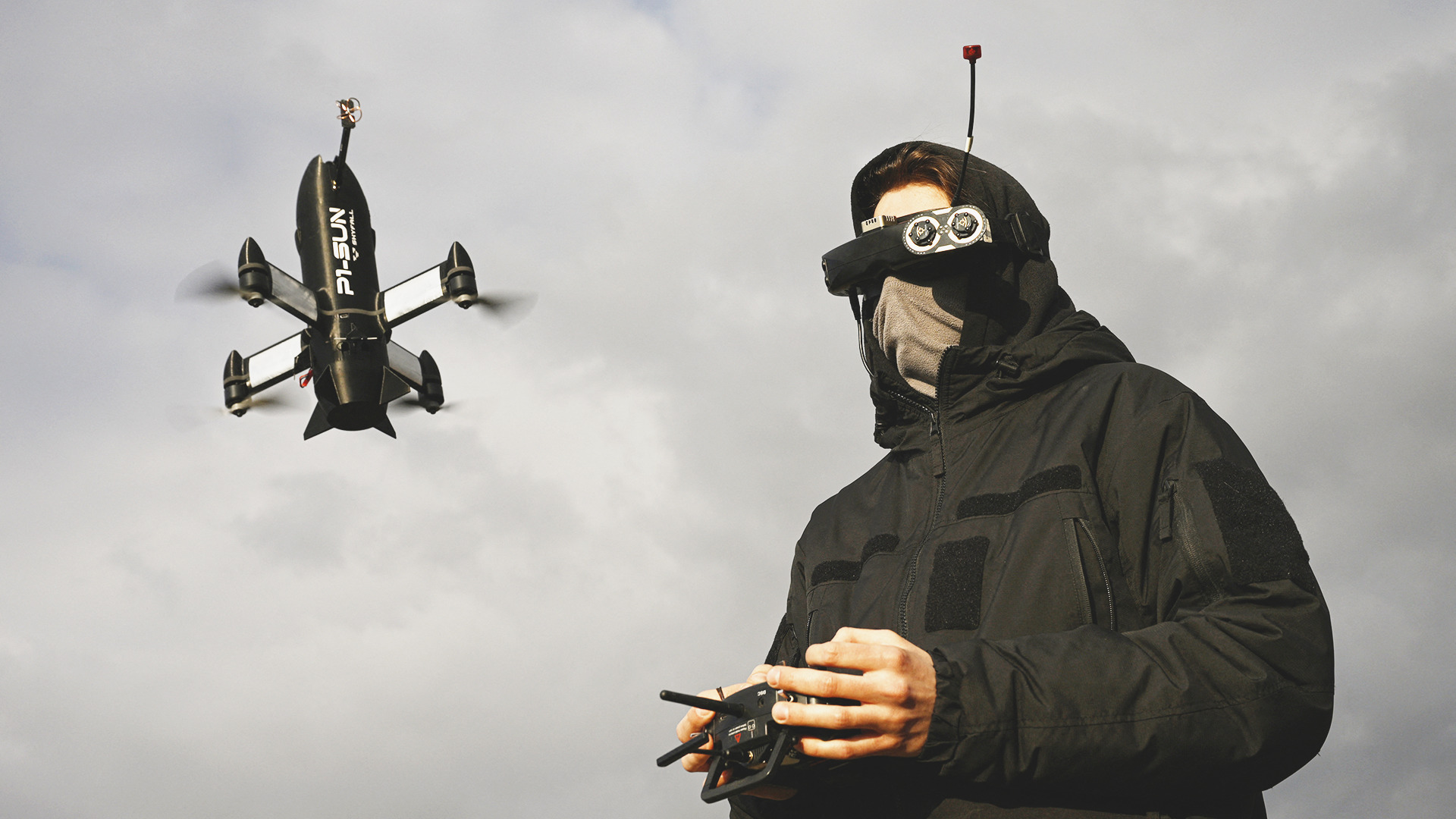
Hours after Russia launched one of its most intense Shahed-136 drone barrages of the war, Ukraine’s defense technology incubator Brave1 revealed how its small, AI-assisted interceptor drones have downed thousands of Shaheds at a fraction of the cost of Western air defense missiles. The interceptors, some costing just $1,000 each and traveling nearly 200 miles per hour, have become a cornerstone of Ukraine’s drone defense strategy, according to Brave1 CEO Andrii Hrytseniuk.
Ukraine’s interceptors offer a stark contrast to Western systems like the U.S.-made Patriot missile, which costs more than $5 million per shot. While Patriot interceptors are designed to engage ballistic missiles and aircraft, Ukraine’s smaller drones are optimized for swatting down slower, loitering Shaheds at a cost that allows for mass production and deployment. Hrytseniuk, speaking in an hour-long interview, emphasized how these interceptors have evolved from improvised solutions to a standardized defense tool used nationwide.
Ukraine’s Drone War: Interceptors Outperform Costly Missiles
The Shahed-136, an Iranian-made loitering munition, has been a persistent threat since its first major use in Ukraine in 2022. Russia has deployed thousands of these drones, causing widespread destruction across Ukrainian cities and infrastructure. Traditional air defense systems like the Patriot are effective but expensive, making them impractical for intercepting every Shahed. Ukraine’s interceptors, however, provide a scalable solution—cheap enough to deploy in large numbers and fast enough to reach Shaheds before they strike their targets.
Hrytseniuk explained that the interceptors are often equipped with AI-assisted guidance systems, which improve accuracy over time as they engage more targets. These systems allow the drones to adjust their flight paths in real-time, increasing their chances of hitting Shaheds even at high speeds. The interceptors are also designed to be disposable, unlike Patriot missiles, which are single-use but significantly more costly. This cost efficiency has allowed Ukraine to prioritize quantity over individual shot accuracy, a strategy that has proven effective in recent months.
International Interest Grows in Ukraine’s Interceptor Drones
During the interview, Hrytseniuk revealed that Ukraine has received inquiries from multiple countries interested in adopting similar interceptor drone systems. The interest stems from the drones’ low cost and high effectiveness, which make them an attractive option for nations facing similar drone threats. While Hrytseniuk did not disclose specific countries, he noted that discussions are underway with both NATO allies and non-aligned nations.
Ukraine’s approach contrasts with Western efforts to supply advanced air defense systems like the Patriot or NASAMS, which are highly effective but limited by supply and cost. By developing its own interceptors, Ukraine has demonstrated that smaller, cheaper drones can play a critical role in modern warfare, particularly against asymmetric threats like Shaheds. The interceptors have also been credited with reducing civilian casualties by intercepting Shaheds before they reach populated areas.
The Future of Drone Warfare in Ukraine
As Russia continues to rely on Shahed drones to target Ukrainian cities and infrastructure, Ukraine’s interceptor program is likely to expand. Hrytseniuk hinted at ongoing research to improve the interceptors’ speed, range, and guidance systems, suggesting that future versions could become even more effective. The program also highlights Ukraine’s growing role as a leader in drone warfare innovation, a trend that has drawn attention from military analysts worldwide.
For now, Ukraine’s interceptors remain a key part of its defense strategy, offering a balance between cost and effectiveness. While they may not replace traditional air defense systems entirely, their success underscores the evolving nature of modern warfare, where smaller, smarter, and cheaper systems can compete with larger, more expensive weapons. As the war in Ukraine continues, these interceptors could set a new standard for drone defense tactics globally.
What You Need to Know
- Source: The Drive
- Published: May 15, 2026 at 17:29 UTC
- Category: War
- Topics: #military · #weapons · #conflict · #war · #inside-ukraine · #interceptor-drone-innovations
Read the Full Story
This is a curated summary. For the complete article, original data, quotes and full analysis:
All reporting rights belong to the respective author(s) at The Drive. GlobalBR News summarizes publicly available content to help readers discover the most relevant global news.
Curated by GlobalBR News · May 15, 2026
Related Articles
🇧🇷 Resumo em Português
Ucrânia usa drones interceptores de apenas mil dólares para abater os drones russos Shahed, que custam dezenas de milhares, em uma virada tática que redefine a guerra aérea no conflito. Compreendidos como uma das maiores inovações militares da atualidade, esses pequenos aparelhos guiados por inteligência artificial, capazes de atingir 320 km/h, já derrubaram milhares de mísseis e drones inimigos sem depender de sistemas caros como os mísseis Patriot, que custam milhões por disparo.
A estratégia ucraniana ganha relevância não só pela eficiência em campo, mas também por seus impactos geopolíticos e financeiros para o Brasil e seus aliados lusófonos. O sucesso dos interceptor drones mostra como nações com recursos limitados podem se defender de ameaças tecnologicamente superiores sem gastar fortunas em armamentos pesados, um modelo que pode inspirar futuras políticas de defesa em países como Angola, Moçambique ou até mesmo o Brasil, especialmente diante de desafios como o monitoramento de fronteiras e a proteção de infraestrutura crítica. Além disso, a guerra na Ucrânia tem servido como laboratório para novas tecnologias militares, cujos reflexos já chegam ao mercado global e às estratégias de segurança de nações em desenvolvimento.
O próximo passo será observar se outros países adotarão essa abordagem econômica e inteligente para conter ameaças de drones, ou se a Rússia tentará adaptar suas táticas para driblar os interceptores ucranianos — e o que isso significará para o futuro das guerras assimétricas.
🇪🇸 Resumen en Español
Ucrania despliega drones interceptores de bajo coste que están revolucionando la guerra contra los Shahed rusos, reduciendo drásticamente el gasto en defensa antiaérea.
Estos pequeños aparatos, guiados por inteligencia artificial y con un precio de apenas 1.000 dólares por unidad, alcanzan velocidades de 320 km/h y han logrado derribar miles de drones rusos —muchos de ellos los temidos Shahed—, una misión que antes dependía de sistemas como el Patriot, cuyo misil cuesta cinco millones de dólares. La innovación ucraniana no solo abarata la protección de su espacio aéreo, sino que demuestra cómo la tecnología de bajo coste puede inclinar la balanza en conflictos asimétricos, un modelo que podría inspirar a otros países en situaciones similares. Además, su uso masivo refleja la adaptación ucraniana a una guerra prolongada, donde la eficiencia y la escalabilidad son clave para mantener la resistencia frente a un adversario mejor equipado.
The Drive
Read full article at The Drive →This post is a curated summary. All rights belong to the original author(s) and The Drive.
Was this article helpful?


Discussion