Uganda completes new mountain gorilla census in Bwindi Impenetrable Forest, counting about 300 gorillas.
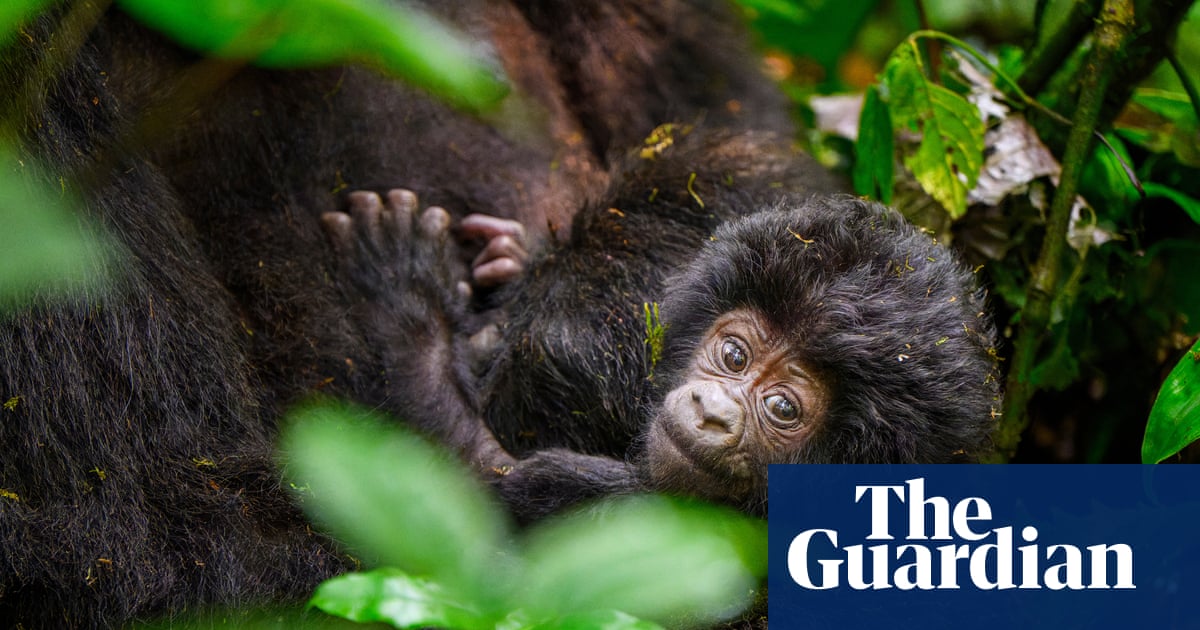
- Conservation teams counted roughly 300 mountain gorillas in Uganda’s Bwindi forest.
- Photographer Jasper Doest joined the census to document gorillas and conservation efforts.
- Mountain gorillas remain critically endangered despite recent population growth.
Conservation teams have just wrapped up the latest mountain gorilla census in Uganda’s Bwindi Impenetrable National Park, and the numbers look encouraging. Roughly 300 gorillas were counted, adding to the growing body of evidence that targeted protection efforts are working. The census, completed in early 2024, involved teams trekking through dense jungle to track gorilla nests, footprints, and signs of activity over weeks. They also used camera traps and genetic analysis to confirm identities and family groups. This is the second full census in Bwindi since 2018, and early data suggests the population is stable or even slightly increasing, which is rare for critically endangered species like mountain gorillas (Gorilla beringei beringei).
Gorillas aren’t out of danger yet
While the numbers are a relief, mountain gorillas are still one of the world’s rarest apes, with fewer than 1,000 left in the wild. Bwindi Impenetrable National Park is one of only two places on Earth where they live, the other being the nearby Virunga Massif. Poaching, habitat loss from agriculture and logging, and disease—especially respiratory infections from humans—are constant threats. The census teams included rangers, scientists, and local trackers who know the forest’s nooks and crannies like the back of their hands. They work in teams of six to eight, often starting at dawn to follow gorilla trails before the apes move deeper into the thick forest.
National Geographic photographer and WWF ambassador Jasper Doest spent weeks with the teams, documenting not just the gorillas but the people behind their survival. His images show rangers in bright yellow vests moving through misty valleys, porters carrying gear on steep slopes, and the occasional glimpse of a silverback’s massive back disappearing into the undergrowth. Doest’s photos highlight the human side of conservation—how local communities, often living on the park’s edges, are essential to protecting these apes. Many rangers are former poachers or hunters who switched sides after realizing the long-term benefits of tourism and conservation work. Others come from families that have guarded Bwindi for generations.
The census relies on old-school fieldwork—and new tech
The census isn’t just about counting heads. Teams use a mix of traditional tracking and modern tools. Trackers walk preset routes, looking for gorilla nests made of bent branches and leaves. They record the size, shape, and location of each nest, which helps estimate how many gorillas are in an area. Genetic samples from dung and hair provide DNA profiles, letting scientists match individuals to their family groups. This year, the teams also used thermal cameras in some areas to spot gorillas in the dark, a technique borrowed from anti-poaching units in Virunga National Park. The combination of methods gives a more accurate picture than any single approach ever could.
The results matter beyond just gorilla numbers. Uganda’s mountain gorillas bring in millions of dollars a year from tourism, funding schools, clinics, and ranger patrols in nearby communities. A stable gorilla population means jobs in guiding, lodges, and conservation projects. But the work is fragile. Political instability in the region, climate change drying up forests, and the risk of another pandemic like COVID-19—which disrupted tourism and conservation funding—could reverse the progress. The census teams know they can’t rest on their laurels.
What happens next?
The full census report will be published later in 2024, with detailed breakdowns by age, sex, and family groups. Conservationists will use this data to adjust protection strategies, like expanding anti-poaching patrols in hotspots or working with villagers to reduce human-wildlife conflict. For now, Doest’s photos offer a rare look at the quiet battles being fought in Bwindi’s shadows—where every nest counted, every footprint followed, and every ranger’s step keeps a critically endangered species from vanishing. The message is clear: these apes’ survival depends as much on the people in the forest as it does on the forest itself.
What You Need to Know
- Source: The Guardian
- Published: May 10, 2026 at 06:00 UTC
- Category: Environment
- Topics: #guardian · #climate · #environment · #newborns · #uganda · #national-geographic
Read the Full Story
This is a curated summary. For the complete article, original data, quotes and full analysis:
All reporting rights belong to the respective author(s) at The Guardian. GlobalBR News summarizes publicly available content to help readers discover the most relevant global news.
Curated by GlobalBR News · May 10, 2026
🇧🇷 Resumo em Português
Após meses de trilhas exaustivas e noites em acampamentos improvisados na densa floresta de Bwindi, Uganda, uma notícia histórica ecoou pelo mundo: a população de gorilas-da-montanha na região não só se manteve estável como registrou um crescimento significativo, alcançando a marca de mais de 500 indivíduos — um sinal claro de que os esforços de conservação estão dando frutos. As imagens captadas pelo fotógrafo Jasper Doest, que acompanhou as equipes durante o censo, revelam não apenas a majestade dessas criaturas, mas também a delicada teia de vida que depende de sua sobrevivência.
O Brasil, embora distante geograficamente, tem motivos para se orgulhar desse marco, afinal, o país é referência global em experiências bem-sucedidas de proteção à fauna, como o retorno da onça-pintada no Pantanal e a recuperação do mico-leão-dourado na Mata Atlântica. A notícia reforça a importância de investimentos contínuos em áreas protegidas e combate ao tráfico de animais, um problema que afeta ecossistemas brasileiros, como a Amazônia e o Cerrado. Além disso, o sucesso dos gorilas-da-montanha demonstra que, mesmo em regiões de extrema pobreza, é possível aliar desenvolvimento humano e conservação, um equilíbrio que o Brasil também busca em iniciativas como o Fundo Amazônia.
Agora, os olhos se voltam para os próximos passos: será que essa tendência de recuperação se mantém em censos futuros? E como os países podem replicar as estratégias de Uganda, que combinam pesquisa científica, engajamento comunitário e políticas públicas firmes? Uma coisa é certa: a vitória dos gorilas-da-montanha é também uma vitória da humanidade — e um lembrete de que ainda há tempo para corrigir rumos.
The Guardian
Read full article at The Guardian →This post is a curated summary. All rights belong to the original author(s) and The Guardian.
Was this article helpful?



Discussion