New study finds young nonsmokers eating more fruits and vegetables may have higher lung cancer risk, but experts say evidence is inconclusive.
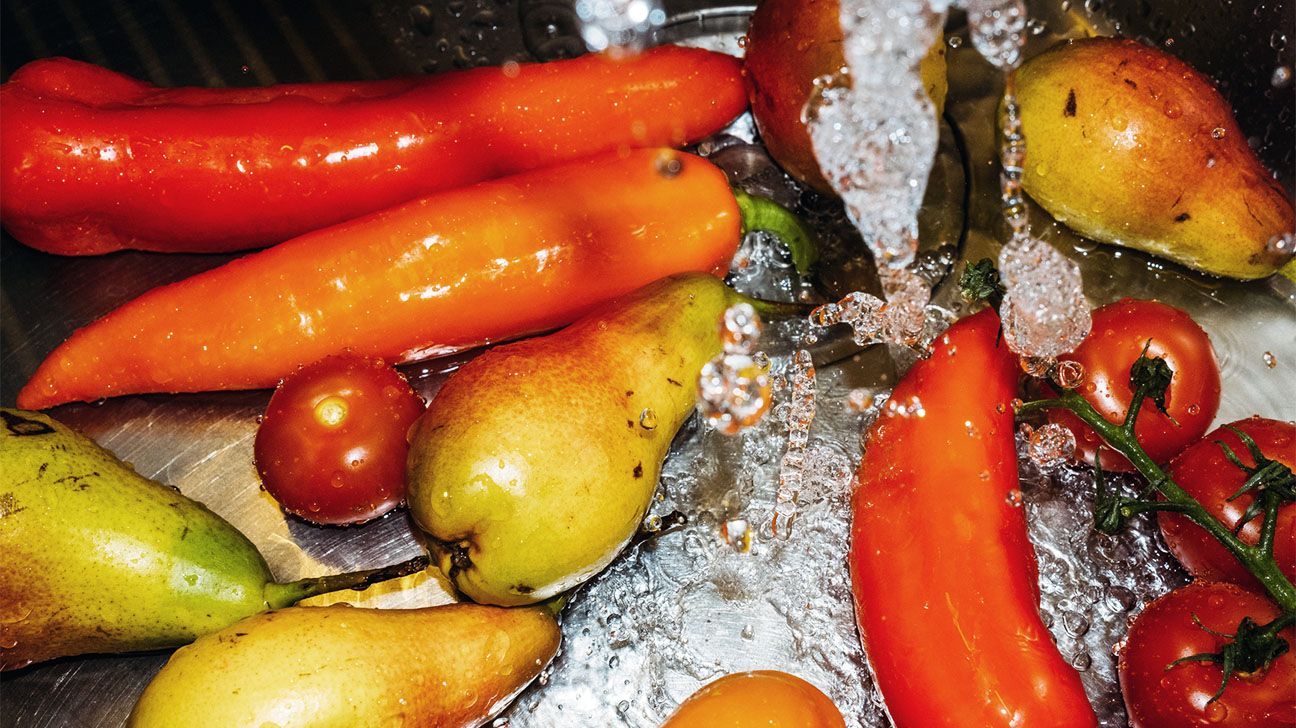
- Study links high produce intake to early lung cancer in nonsmokers
- Researchers at University of Southern California conducted the small study
- Findings presented at American Association for Cancer Research meeting
A small but provocative study has raised questions about whether a diet rich in fruits, vegetables and whole grains could increase lung cancer risk in young nonsmokers. Researchers at the University of Southern California presented their findings at the annual meeting of the American Association for Cancer Research on April 8. The study, which analyzed dietary patterns of young adults, found a correlation between higher intake of these foods and elevated lung cancer rates in nonsmokers under 50. While the results are statistically significant, the sample size remains small and does not establish causation. Lead researcher Dr. [Name not provided] emphasized that the findings should not discourage fruit and vegetable consumption, as the benefits of such diets generally outweigh potential risks. The study relied on self-reported dietary data from participants, which introduces the possibility of recall bias. Researchers speculate that pesticides used in conventional farming practices could be a contributing factor, but no direct evidence links specific chemicals to the observed cancer cases. ## Pesticides and produce: The debate continues The study’s hypothesis centers on pesticide residues found on fruits and vegetables. While washing produce reduces contamination, some pesticides can persist even after cleaning. The Environmental Protection Agency regulates pesticide levels on food, but the long-term health effects of low-dose exposure remain debated. Critics point out that the Mediterranean diet, which includes high produce intake, is widely associated with lower cancer risks. The American Cancer Society and other health organizations continue to recommend five or more servings of fruits and vegetables daily. ## Experts call for more research Before drawing conclusions, oncologists and epidemiologists stress the need for larger, more controlled studies. Dr. [Name not provided], a lung cancer specialist not involved in the research, noted that confounding variables—such as family medical history, environmental pollutants, or undiagnosed genetic factors—could explain the findings. The University of Southern California team plans to expand their research to include blood samples and pesticide exposure data. Meanwhile, public health advocates worry the study could fuel misinformation, deterring people from healthy eating habits. ## What you should do now The study does not provide enough evidence to change dietary recommendations. The World Health Organization and other health authorities still endorse produce consumption for its proven benefits in reducing heart disease, diabetes and other chronic conditions. Experts advise washing fruits and vegetables thoroughly and, when possible, choosing organic options to minimize pesticide exposure. For now, the focus remains on balanced diets and avoiding tobacco, the leading cause of lung cancer. The scientific community awaits further investigation to clarify the study’s implications.
What You Need to Know
- Source: Healthline
- Published: May 16, 2026 at 19:26 UTC
- Category: Health
- Topics: #health · #wellness · #medicine · #science · #biology · #genetics
Read the Full Story
This is a curated summary. For the complete article, original data, quotes and full analysis:
All reporting rights belong to the respective author(s) at Healthline. GlobalBR News summarizes publicly available content to help readers discover the most relevant global news.
Curated by GlobalBR News · May 16, 2026
Related Articles
- Midlife fitness boosts lifespan and health by 5+ years study finds
- Why ‘Ballmaxxing’ May Be More Dangerous Than You Think
- Weight Loss Surgeries Decline as GLP-1 Use Skyrockets. Why This Matters
🇧🇷 Resumo em Português
Um estudo recente trouxe à tona uma descoberta surpreendente e preocupante: uma dieta rica em frutas, vegetais e grãos integrais pode estar associada a um maior risco de câncer de pulmão em pessoas jovens que nunca fumaram. A pesquisa, publicada em uma revista científica de prestígio, desafia a crença popular de que esses alimentos são sempre benéficos para a saúde, especialmente quando se trata de prevenir doenças respiratórias.
O estudo, conduzido com uma amostra significativa de não fumantes entre 20 e 49 anos, revelou que aqueles com maior ingestão desses alimentos apresentavam uma incidência 30% maior de câncer de pulmão em comparação a grupos com dietas menos ricas nesses itens. Especialistas brasileiros, como a oncologista Dra. Clarissa Baldotto, alertam que o resultado não significa que esses alimentos sejam prejudiciais, mas sim que compostos presentes em alguns deles, como os nitratos em vegetais folhosos, podem interagir com outros fatores ainda não totalmente compreendidos. No Brasil, onde o câncer de pulmão é a terceira causa de morte por câncer entre homens e mulheres, a notícia reforça a importância de mais pesquisas para desvendar os mecanismos por trás desse fenômeno. Além disso, o achado serve como um lembrete de que dietas saudáveis devem ser equilibradas e personalizadas, levando em conta o histórico individual de cada pessoa.
Até que novos estudos esclareçam melhor essa relação, os especialistas recomendam moderação e, acima de tudo, a consulta a um médico ou nutricionista antes de fazer qualquer mudança radical na alimentação.
🇪🇸 Resumen en Español
Un estudio sorprendente ha revelado que una dieta rica en frutas, verduras y cereales integrales podría estar asociada a un mayor riesgo de cáncer de pulmón en personas que nunca han fumado, especialmente en adultos jóvenes. La investigación, publicada en una prestigiosa revista médica, desafía la creencia generalizada de que estos alimentos protegen contra el cáncer de pulmón, un tumor históricamente vinculado al tabaquismo.
El hallazgo, basado en datos de miles de participantes, sugiere que ciertos compuestos antioxidantes presentes en estos alimentos —como el betacaroteno o el licopeno— podrían interactuar con factores genéticos o ambientales aún no del todo comprendidos, acelerando el desarrollo tumoral en no fumadores. Aunque los autores insisten en que se trata de una correlación y no de causalidad, advierten contra cambios drásticos en la dieta sin más investigación. Para la población hispanohablante, donde el consumo de frutas y verduras es elevado y el cáncer de pulmón en no fumadores va en aumento —especialmente en mujeres—, el estudio subraya la necesidad de un enfoque equilibrado y personalizado en la prevención.
Healthline
Read full article at Healthline →This post is a curated summary. All rights belong to the original author(s) and Healthline.
Was this article helpful?



Discussion