Israel launches new FPV drone factory to counter Hezbollah attacks in southern Lebanon.
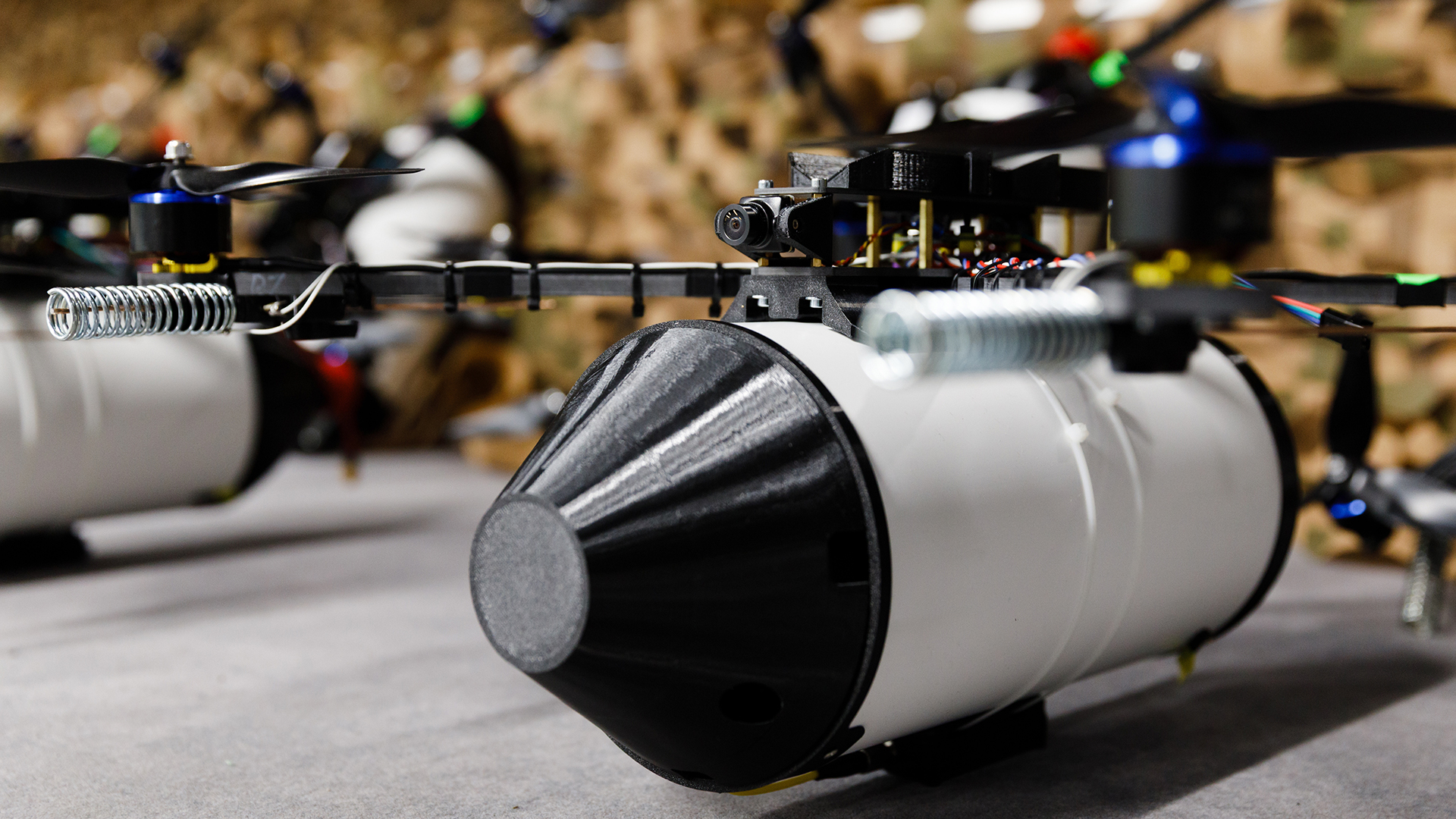
- Israel opens new FPV drone factory to boost production
- Factory aims to produce thousands of suicide drones monthly
- Move responds to rising Hezbollah drone attacks in Lebanon
Israel’s military is establishing a new factory dedicated to producing thousands of first-person view (FPV) suicide drones each month, according to Israel Army Radio. The facility, part of a broader push to industrialize drone production, is designed to rapidly expand the Israel Defense Forces’ IDF arsenal amid escalating attacks from Hezbollah in southern Lebanon. The IDF has faced growing threats from Hezbollah’s drone operations, which have intensified in recent months, forcing Israel to accelerate its own drone manufacturing capabilities.
The new factory reflects a shift in Israel’s military strategy, prioritizing unmanned systems like FPV drones for their cost-effectiveness and precision in combat. FPV drones, controlled in real-time by operators via first-person video feeds, have become a staple in modern warfare due to their ability to conduct targeted strikes with minimal collateral damage. The IDF’s decision to mass-produce these drones underscores their growing role in asymmetric conflicts, where small, agile systems can outmaneuver traditional defenses.
Hezbollah’s drone threat drives Israel’s rapid response
Hezbollah’s use of FPV drones has posed a persistent challenge to Israeli forces along the Lebanon border. The militant group has deployed these drones in both reconnaissance and attack roles, targeting IDF positions and infrastructure. Israeli military sources confirm that Hezbollah’s drone operations have increased in frequency and sophistication, prompting the IDF to accelerate its own drone production to maintain a technological edge.
The new factory is expected to employ thousands of workers, including Haredi soldiers, as part of Israel’s broader efforts to integrate ultra-Orthodox communities into the workforce. The facility will operate under the IDF’s supervision, ensuring alignment with military requirements for drone design, durability, and combat effectiveness. Production is slated to begin within months, with the first batch of drones expected to enter service by early 2025.
FPV drones reshape modern warfare strategies
The rise of FPV drones has transformed military tactics worldwide, offering a low-cost, high-impact alternative to traditional weaponry. Unlike larger drones, FPV systems are small, fast, and difficult to detect, making them ideal for precision strikes in urban or contested environments. Their growing popularity has led to widespread adoption by both state and non-state actors, including Russia in the Ukraine war and Ukraine in its defense against Russian forces.
Israel’s move to industrialize FPV drone production aligns with global trends, as militaries increasingly prioritize drone warfare for its versatility and cost efficiency. The IDF’s factory will focus on producing drones tailored to its specific operational needs, including payload capacity, range, and resistance to electronic warfare countermeasures. This approach ensures that Israel remains competitive in a rapidly evolving battlefield landscape.
The IDF has not disclosed the exact specifications of the drones to be produced, but military analysts anticipate they will feature advanced guidance systems, including GPS and optical tracking. These capabilities would allow the drones to operate effectively in GPS-denied environments, a common challenge in modern conflicts. The factory’s output is expected to supplement existing drone programs, including those developed by Israel’s defense industry giants like Elbit Systems and Israel Aerospace Industries.
Broader implications for regional military balance
The establishment of the drone factory could shift the military balance in the Middle East, where drone warfare has become a critical tool for both state and non-state actors. Israel’s expanded drone production may deter future attacks from Hezbollah and other adversaries by increasing the cost of drone-based operations. However, it also risks escalating an arms race, as Hezbollah and other groups may seek to improve their own drone capabilities in response.
Regional analysts warn that the proliferation of FPV drones could lead to further destabilization, particularly in areas with ongoing conflicts. The drones’ low cost and ease of production make them accessible to smaller militant groups, increasing the likelihood of asymmetric warfare. Israel’s move to mass-produce drones may set a precedent for other nations in the region, particularly those facing similar threats from non-state actors.
The IDF has emphasized that the drone factory is part of a broader modernization effort aimed at enhancing its overall military capabilities. While FPV drones are the immediate focus, the facility could eventually expand to produce other unmanned systems, including loitering munitions and reconnaissance drones. This flexibility ensures that Israel remains adaptable in an increasingly complex security environment.
What You Need to Know
- Source: The Drive
- Published: May 13, 2026 at 16:20 UTC
- Category: War
- Topics: #military · #weapons · #conflict · #war · #israel-building-factory · #pump-out-its
Read the Full Story
This is a curated summary. For the complete article, original data, quotes and full analysis:
All reporting rights belong to the respective author(s) at The Drive. GlobalBR News summarizes publicly available content to help readers discover the most relevant global news.
Curated by GlobalBR News · May 13, 2026
Related Articles
- Wembanyama’s Spurs reach Western finals, Pistons stay alive in NBA playoffs
- 🎉 100 Articles in War!
- Man killed in great white shark attack in western Australia
🇧🇷 Resumo em Português
Israel acelera sua corrida armamentista com uma nova fábrica de drones suicidas FPV, capaz de produzir milhares de unidades por mês, em um movimento que redefine o equilíbrio de forças no Oriente Médio e acende alertas sobre o futuro dos conflitos assimétricos na região. A iniciativa, anunciada pelo Ministério da Defesa israelense, surge em resposta ao aumento de ataques com drones do Hezbollah no sul do Líbano, onde a organização xiita tem intensificado suas operações com veículos aéreos não tripulados, desafiando a superioridade tecnológica tradicional de Israel.
O projeto representa um salto estratégico para Tel Aviv, que busca reduzir a dependência de importações de sistemas de armas e garantir um suprimento constante de drones de ataque de baixo custo e alta letalidade. Para o Brasil e os países lusófonos, a notícia é um lembrete sombrio de como os conflitos modernos estão cada vez mais dominados por tecnologias acessíveis e de fácil replicação, como os FPV — drones de primeira pessoa controlados por operadores via vídeo em tempo real. Especialistas brasileiros em defesa já alertam para o risco de proliferação desses equipamentos, que poderiam ser adotados por grupos não estatais ou até mesmo por organizações criminosas no país, especialmente em regiões de fronteira ou de alta tensão social.
O próximo passo será observar se a fábrica israelense conseguirá suprir a demanda crescente sem esbarrar em sanções internacionais ou em pressões diplomáticas, enquanto outros atores regionais, como Irã e Turquia, aceleram seus próprios programas de drones — um sinal claro de que a guerra do futuro pode ser cada vez mais conduzida por máquinas baratas e descartáveis.
🇪🇸 Resumen en Español
Israel ha dado un paso clave en su estrategia militar al inaugurar una fábrica propia para producir miles de drones suicidas FPV al mes, un movimiento que intensifica su respuesta a la escalada de ataques con drones por parte de Hezbolá en el sur. La instalación, diseñada para acelerar la producción de estos sistemas de bajo costo pero alta letalidad, refuerza la autonomía israelí en un frente donde la superioridad tecnológica y la capacidad de respuesta rápida son críticas.
El conflicto en el norte de Israel, marcado por el intercambio de drones y misiles con Hezbolá, ha obligado a Jerusalén a buscar soluciones rápidas y masivas. La nueva fábrica no solo busca compensar las pérdidas en enfrentamientos recientes, sino también disuadir futuras ofensivas del grupo chií, que ha demostrado una capacidad creciente para amenazar zonas estratégicas. Para los lectores hispanohablantes, este desarrollo subraya cómo la guerra moderna exige innovación constante y adaptación táctica, donde actores como Israel apuestan por la producción industrializada de armamento para mantener su ventaja en un escenario cada vez más volátil.
The Drive
Read full article at The Drive →This post is a curated summary. All rights belong to the original author(s) and The Drive.
Was this article helpful?


Discussion