Israel and Lebanon extend truce by 45 days after US-brokered talks in Washington.
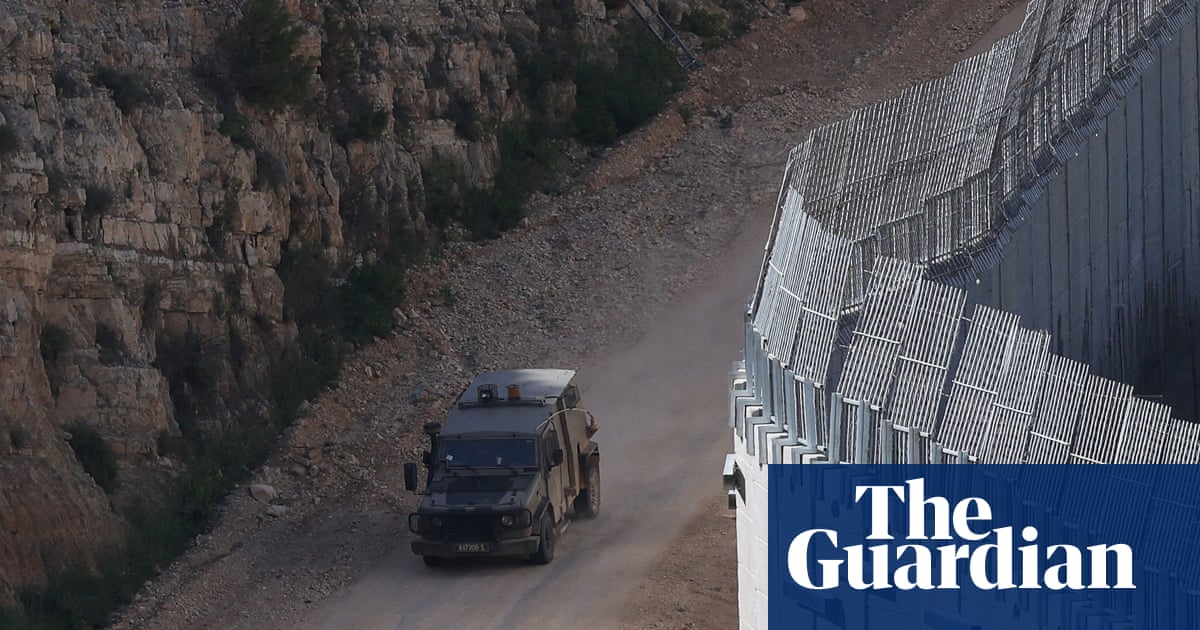
- US confirms 45-day extension of Israel-Lebanon ceasefire
- Next negotiations scheduled for June 2-3 in Washington
- Israel carried out airstrikes on Tyre during talks
Israel and Lebanon have agreed to a 45-day extension of their ceasefire after two days of talks in Washington, the US State Department announced Monday. The extension follows renewed diplomatic efforts aimed at stabilizing the fragile truce between the two nations, which has faced repeated disruptions in recent months.
State Department spokesperson Tommy Pigott called the negotiations “productive” and said further discussions would be held from June 2 to June 3. The announcement came as tensions flared on Monday with Israel launching airstrikes on the southern Lebanese city of Tyre. The strikes targeted Hezbollah positions, according to Lebanese security sources, and followed days of sporadic cross-border clashes.
The extension marks the latest attempt to prevent a full-scale conflict between Israel and Lebanon, where a fragile truce has held since October following months of intense fighting. The truce was initially brokered by the US and France, with support from regional partners, but sporadic violence has persisted along the border.
Ceasefire faces persistent challenges
Analysts warn that the truce remains fragile, with both sides accusing each other of violations. The Israeli strikes on Tyre on Monday underscored the volatility of the situation, even as talks continued in Washington. Lebanese officials condemned the airstrikes, calling them a violation of the truce, while Israel stated it was responding to threats from Hezbollah.
The upcoming negotiations in early June are expected to focus on further de-escalation measures, including border monitoring and humanitarian aid access. The US has reiterated its commitment to brokering a lasting solution, but the path forward remains uncertain. Previous ceasefires have collapsed within weeks, leaving both sides on high alert.
The situation is closely watched by regional powers, including Iran, which supports Hezbollah, and Saudi Arabia, which backs Lebanon’s government. International observers have warned that further escalation could draw in other actors, raising fears of a wider regional conflict.
What happens next?
The 45-day extension provides a temporary reprieve, but the underlying issues between Israel and Lebanon remain unresolved. Analysts say the next round of talks will be critical in determining whether the truce can hold or if the region will slide back into violence. The US has called for restraint on both sides, but the airstrikes on Tyre suggest that military action continues to overshadow diplomacy.
What You Need to Know
- Source: The Guardian
- Published: May 15, 2026 at 19:05 UTC
- Category: World
- Topics: #guardian · #world-news · #international · #war · #conflict · #diplomacy
Read the Full Story
This is a curated summary. For the complete article, original data, quotes and full analysis:
All reporting rights belong to the respective author(s) at The Guardian. GlobalBR News summarizes publicly available content to help readers discover the most relevant global news.
Curated by GlobalBR News · May 15, 2026
Related Articles
- Eurovision 2024 faces scrutiny over Israel’s participation amid war
- US proposes 40% cut in Colorado River water for 3 states amid drought
- US-Nigeria joint strike kills ISIS leader in West Africa: Report
🇧🇷 Resumo em Português
Após dias de tensão nas fronteiras entre Israel e Líbano, um alívio temporário ganhou força quando os dois países estenderam o cessar-fogo por mais 45 dias, após intensas negociações mediadas pelos Estados Unidos em Washington. O acordo, que evita uma escalada maior do conflito, chega em um momento crítico, quando a região já vive meses de trocas de ataques que ameaçam a estabilidade não apenas local, mas também o cenário geopolítico do Oriente Médio. Para o Brasil e os países de língua portuguesa, que acompanham de perto os desdobramentos no Oriente Médio por conta de suas comunidades e interesses estratégicos, a notícia representa um respiro, ainda que breve, em um cenário marcado por incertezas.
O contexto por trás da trégua envolve não apenas a escalada militar entre Israel e o grupo Hezbollah, mas também pressões internacionais para conter a propagação do conflito. O Líbano, já fragilizado por uma crise econômica sem precedentes e pela fragilidade de seu governo, não poderia arcar com uma nova onda de hostilidades, enquanto Israel busca garantir sua segurança sem abrir flancos para um novo front no norte. Para o Brasil, que mantém relações diplomáticas com ambos os lados e abriga uma das maiores diásporas árabes fora do mundo árabe, a estabilidade na região é fundamental — seja por questões humanitárias, seja por interesses comerciais e energéticos.
A próxima rodada de negociações, marcada para 2 e 3 de junho, será decisiva para definir se essa trégua se tornará um passo concreto rumo à paz ou apenas um adiamento de um confronto inevitável.
🇪🇸 Resumen en Español
Israel y Líbano han logrado extender el alto el fuego por 45 días tras intensas negociaciones en Washington, en un esfuerzo por aliviar la tensión en la frontera que se ha mantenido en niveles críticos durante meses. El acuerdo, alcanzado tras una escalada de violencia que incluyó bombardeos israelíes en la región de Tiro, llega en un momento en el que la comunidad internacional presiona para evitar una guerra abierta entre ambos países, con consecuencias impredecibles para la estabilidad regional.
El cese temporal de hostilidades no solo marca un respiro en la escalada bélica, sino que también abre una ventana crítica para reanudar conversaciones diplomáticas en junio. Para los hispanohablantes, este conflicto tiene resonancia no solo por su proximidad geográfica con Europa, sino porque involucra a actores clave como Estados Unidos y grupos armados respaldados por Irán, lo que podría impactar en la seguridad global y en las comunidades migrantes de origen árabe en España y Latinoamérica. La extensión del alto el fuego, sin embargo, sigue siendo frágil, y su sostenibilidad dependerá de la voluntad política de todas las partes involucradas.
The Guardian
Read full article at The Guardian →This post is a curated summary. All rights belong to the original author(s) and The Guardian.
Was this article helpful?

Discussion