U.S. ends waivers for some Russian oil sales as global oil markets tighten.
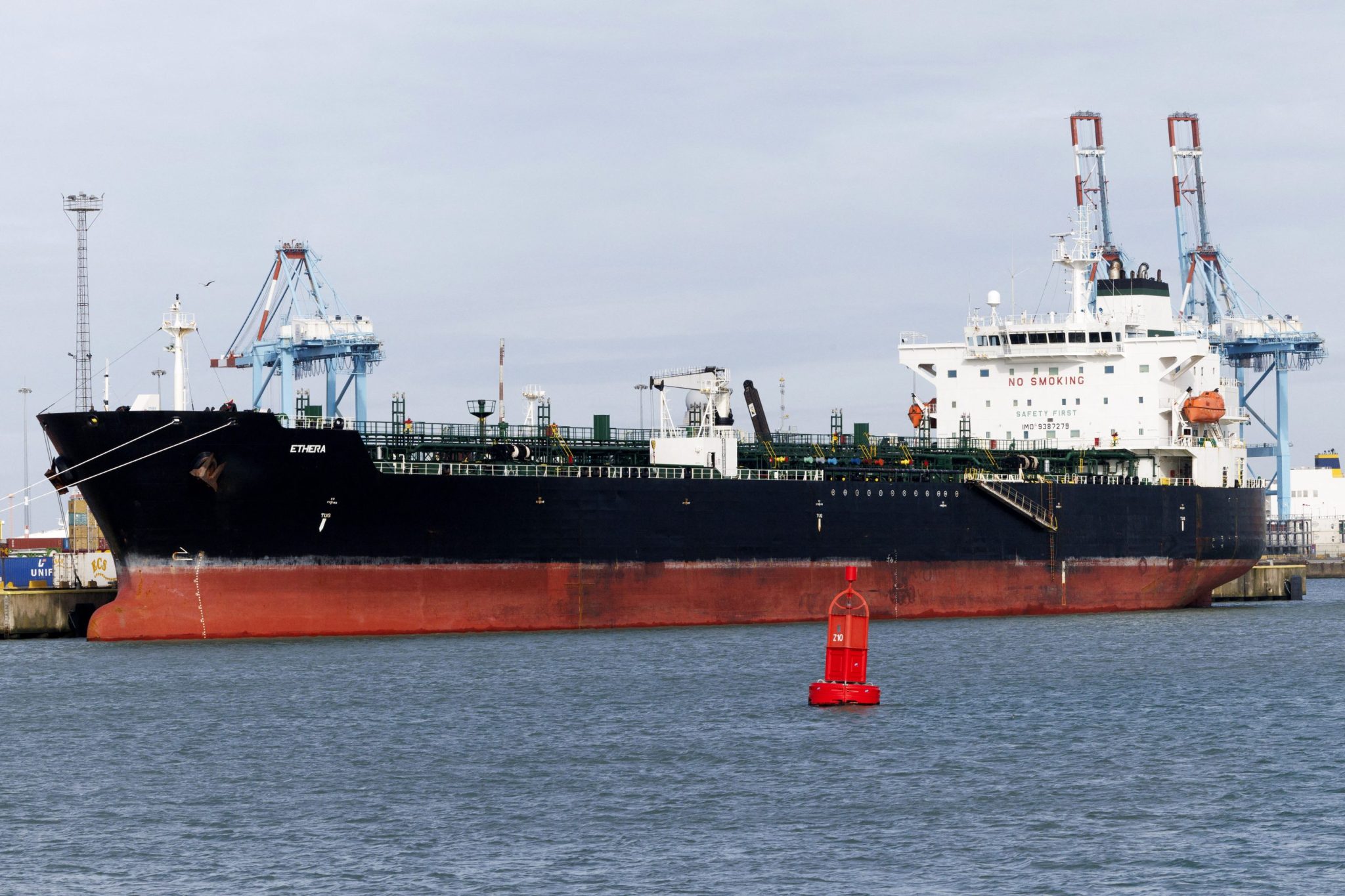
- U.S. let sanctions waivers for Russian oil expire in May 2024
- Waivers only covered oil already loaded on tankers before March
- Move tightens sanctions against Russia’s war funding in Ukraine
The Trump administration ended a pair of narrow sanctions waivers this week that had temporarily allowed some Russian oil sales to continue, even as the U.S. tries to starve Moscow of revenue to fund its war in Ukraine. The waivers, issued in March and April, covered only Russian crude oil that was already loaded onto tankers before the exemptions took effect. That meant the oil had already been bought and paid for, so letting it reach buyers didn’t add fresh cash to Russia’s war chest—but it also didn’t cut off a new flow of funds either.
The move comes at a time when oil markets are already jittery. The U.S. and allies have been trying to tighten the screws on Russia’s energy exports, but the war in Gaza has added another layer of uncertainty. Any disruption in oil shipments—whether from Russia, Iran’s regional allies, or other hotspots—can send prices climbing fast. Gasoline prices in the U.S. have already crept up this spring, and traders are watching every move closely.
Why the waivers were controversial
The waivers didn’t sit well with European allies, who see sanctions as a key weapon against Russia. They argue that even small loopholes can undermine the whole effort. Critics say the waivers sent mixed signals: on one hand, the U.S. was pushing for tougher global oil sanctions; on the other, it was quietly allowing some Russian oil to keep flowing. The State Department has argued that the waivers were narrowly tailored to avoid sudden disruptions, but diplomats in Europe weren’t convinced.
Russia isn’t the only country facing U.S. sanctions pressure. Iran’s oil exports have been under heavy restrictions for years, and the Biden administration has been trying to enforce those limits more strictly. But the Middle East’s latest flare-ups—like the recent attacks on Red Sea shipping—have made energy markets even more fragile. Any hiccup in supply can ripple through prices quickly, especially in Europe, which still relies on some Russian energy despite its push to cut ties.
What happens now
With the waivers gone, buyers of Russian oil will need to find other suppliers or risk violating U.S. sanctions. That’s easier said than done in today’s tight market. Refiners in India and China have been major buyers of Russian crude, but they’ll now have to adjust their supply chains or face penalties. The U.S. hasn’t said whether it will extend the waivers again, but analysts expect this decision to stand for the foreseeable future.
The timing matters because global oil inventories are already lower than usual for this time of year. The International Energy Agency has warned that spare capacity is shrinking, which means any new supply shock could push prices higher fast. Gasoline prices in the U.S. are already up about 10 cents a gallon from a year ago, and drivers are feeling the pinch at the pump.
This isn’t just about oil prices—it’s about leverage. The U.S. is walking a fine line: it wants to punish Russia for its war in Ukraine while avoiding a price spike that could hurt its own economy or rattle global markets. The waivers were a small concession, but letting them expire sends a message that the U.S. is getting stricter. Whether that helps or hurts the broader sanctions effort is still up for debate.
What You Need to Know
- Source: Fortune
- Published: May 16, 2026 at 23:32 UTC
- Category: Business
- Topics: #fortune · #business · #economy · #war · #conflict · #russia
Read the Full Story
This is a curated summary. For the complete article, original data, quotes and full analysis:
All reporting rights belong to the respective author(s) at Fortune. GlobalBR News summarizes publicly available content to help readers discover the most relevant global news.
Curated by GlobalBR News · May 16, 2026
Related Articles
- 🎉 100 Articles in Business!
- Kevin O’Leary: Gen Z founders working 18-hour days make ‘no sense’
- Lawyers sanctioned $110K for fake AI citations in landmark Oregon case
🇧🇷 Resumo em Português
O governo dos Estados Unidos deixou expirar as permissões que permitiam a venda de petróleo russo no mercado internacional, decisão que deve apertar ainda mais o mercado global de combustíveis e elevar os preços da gasolina e do diesel em todo o mundo. A medida, anunciada após meses de pressões para reduzir a dependência energética da Rússia, marca um novo capítulo nas sanções ocidentais contra Moscou, mas também acende um alerta para países importadores, como o Brasil, que já sentem o impacto dos altos custos do petróleo no bolso do consumidor.
A decisão americana chega em um momento de instabilidade no setor, com a oferta global de petróleo ainda ajustando-se aos cortes de produção da OPEP+ e à redução das exportações russas, que seguem sob sanções. Para o Brasil, que importa parcela significativa de seus derivados de petróleo e enfrenta pressões inflacionárias há anos, o fim dos waivers pode agravar a volatilidade dos preços dos combustíveis, já impactados pela cotação internacional do barril e pela cotação do dólar. Além disso, o país precisa equilibrar sua política energética entre garantir o abastecimento interno e alinhar-se às sanções internacionais, sem prejudicar sua própria indústria, que depende de insumos derivados do petróleo.
A próxima etapa será observar como os grandes compradores de petróleo russo, como China e Índia, reagirão à medida, além de como o mercado global se ajustará à nova dinâmica de oferta e demanda nos próximos meses.
🇪🇸 Resumen en Español
El Gobierno de Estados Unidos decidió dejar expirar los permisos que permitían la venta de petróleo ruso en mercados internacionales, una medida que amenaza con agravar la ya ajustada situación de los mercados energéticos globales.
La decisión responde a la presión política para endurecer las sanciones contra Moscú tras la invasión de Ucrania, pero eleva el riesgo de escasez en un contexto donde la oferta ya es limitada y los precios de los combustibles siguen siendo elevados. Para los países hispanohablantes, dependientes en mayor o menor medida de las importaciones de crudo, esta escalada podría traducirse en subidas adicionales en los costes del transporte y la energía, especialmente en economías con menos margen para absorber estos shocks, como las de América Latina. Además, la medida refuerza la tendencia global hacia una diversificación energética acelerada, aunque con posibles efectos inflacionarios a corto plazo.
Fortune
Read full article at Fortune →This post is a curated summary. All rights belong to the original author(s) and Fortune.
Was this article helpful?


Discussion