Black Americans are reviving mushroom foraging in the US, blending ecology, food security and African diaspora traditions.
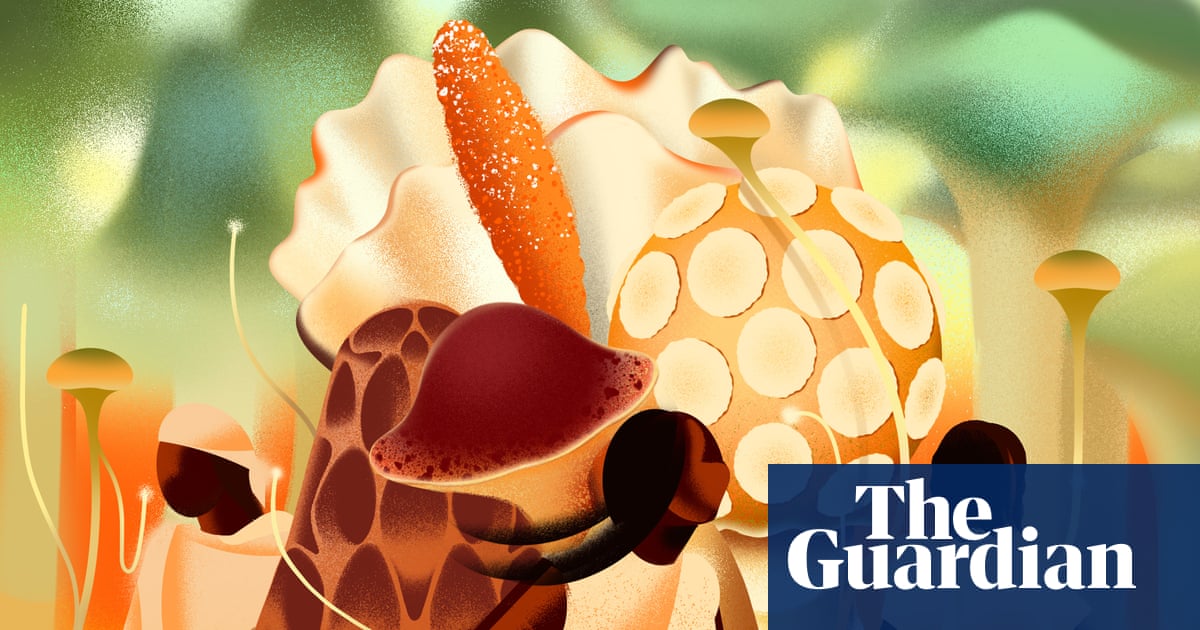
- Black foragers say mushroom hunting connects them to ancestral foodways
- Foraging provides free, sustainable food and medicinal resources
- Mycology groups nationwide mentor new Black foragers
Maria Pinto had walked those same woods in Newton, Massachusetts, dozens of times before she saw it: a fly agaric mushroom glowing like a metallic yellow beacon among the pine needles. The fungus, known for its vibrant red and white cap elsewhere, appeared almost otherworldly in its New England setting. “It forced me down on my knees to examine it further,” Pinto recalled. “It didn’t look real.” That moment in 2013 marked the start of her fascination with fungi and the beginning of her involvement with Black mushroom foraging communities across the U.S.
Pinto, a naturalist and writer, soon joined Black Foragers, a collective that teaches foraging skills while exploring the cultural significance of wild edibles. The group’s work reflects a broader movement among Black Americans rediscovering ancestral food traditions and ecological knowledge. Unlike commercial farming, foraging offers free access to food and medicine while fostering a direct relationship with the land.
From Africa to America: Reclaiming lost traditions
Many Black foragers trace their interest in fungi to roots in West and Central Africa, where wild mushrooms have long been part of traditional diets and medicine. Species like the maitake, or “hen of the woods,” and morels were staples in regions such as Cameroon and Nigeria before being largely abandoned in the diaspora. Now, communities are reviving these practices as a form of cultural reclamation.
In Atlanta, Georgia, Teri McMillan leads foraging walks that blend ecology with storytelling. She teaches participants how to identify edible mushrooms and their historical uses in African and African American communities. “People are surprised to learn that mushrooms like chanterelles were eaten in West Africa,” McMillan said. “This isn’t new. We’re just remembering what we lost.”
Foraging as food security and ecological connection
Foraging provides more than cultural ties—it offers tangible benefits. Wild mushrooms like morels, chanterelles and lion’s mane are prized for their flavor and nutritional value. They’re also free, accessible and often abundant in forests and fields. Unlike store-bought produce, foraged foods require no transportation, packaging or carbon footprint.
Ecologists note that foraging can also support forest health by preventing overgrowth of certain fungi species. “When done responsibly, harvesting mushrooms can actually help the ecosystem,” said Dr. Joan Gabel, a mycologist at Northeastern University. Gabel studies the role of fungi in carbon cycling and soil health, emphasizing how foraging aligns with sustainable land use.
Challenges and safety in the foraging community
Despite growing interest, mushroom foraging comes with risks. Misidentification can lead to poisoning, and many beginners rely on apps or field guides without understanding ecological context. Black Foragers addresses this through mentorship programs that pair novices with experienced foragers. “You can’t just Google it and think you’re safe,” Pinto warned. “Some mushrooms look identical until you split them open.”
The group also advocates for land access. Many foraging sites are on private property or require permits, limiting opportunities for urban foragers. In cities like Chicago and Philadelphia, advocates are pushing for public foraging zones and educational programs to make the practice more inclusive.
The future of Black foraging communities
The movement is expanding beyond mushrooms. Black-led groups now host workshops on wild greens, nuts and berries, framing foraging as a tool for food sovereignty. In Detroit, the Keep Growing Detroit initiative teaches urban foraging alongside gardening, aiming to reduce food deserts.
For Pinto, the work is deeply personal. “This isn’t just about food,” she said. “It’s about reconnecting with who we are and where we come from. The land remembers us, even when we forget it.” As more Black Americans take up foraging, they’re writing a new chapter in the nation’s ecological and cultural story.
What You Need to Know
- Source: The Guardian
- Published: May 16, 2026 at 11:00 UTC
- Category: Environment
- Topics: #guardian · #climate · #environment · #black · #enthusiasts · #african
Read the Full Story
This is a curated summary. For the complete article, original data, quotes and full analysis:
All reporting rights belong to the respective author(s) at The Guardian. GlobalBR News summarizes publicly available content to help readers discover the most relevant global news.
Curated by GlobalBR News · May 16, 2026
🇧🇷 Resumo em Português
O sabor da resistência: negros nos EUA resgatam o poder ancestral dos cogumelos
Em meio às florestas americanas, um movimento crescente de caçadores de cogumelos negros está reescrevendo não só a relação dos EUA com a micologia, mas também resgatando tradições ancestrais esquecidas. Com cestas nas mãos e memórias na mente, esses forrageadores encontram mais do que alimento: descobrem remédios, fortalecem laços comunitários e revivem saberes trazidos da África pela diáspora, provando que a natureza é também um campo de batalha cultural e de cura.
No Brasil, onde a diversidade de fungos é imensa mas a cultura de forrageamento ainda é incipiente, a história desses coletores ressoa como um alerta e uma inspiração. O país, que já enfrenta perdas alarmantes de biodiversidade na Amazônia e no Cerrado, precisa urgentemente de políticas que valorizem o conhecimento tradicional — especialmente o de povos indígenas e comunidades negras, guardiões de práticas milenares. A redescoberta dos cogumelos nos EUA mostra como o resgate dessas técnicas pode ser aliado da segurança alimentar, da medicina natural e até da mitigação da crise climática, já que muitos fungos são essenciais para a saúde dos ecossistemas.
O próximo passo é claro: enquanto os cogumelos voltam a brilhar nas mesas e nas florestas, resta saber se o Brasil — e o mundo — estarão dispostos a ouvir quem sempre soube escutar a terra.
The Guardian
Read full article at The Guardian →This post is a curated summary. All rights belong to the original author(s) and The Guardian.
Was this article helpful?

Discussion