Scientists warn 2026 wildfires already scorched 150M hectares as El Nino threat looms.
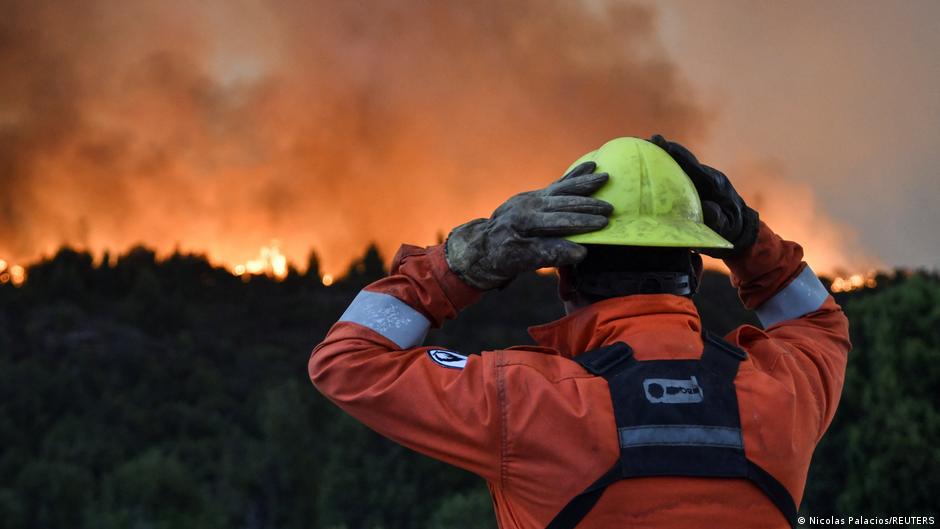
- Fires burned twice Texas size globally by May 2026
- El Nino likely to worsen second half of 2026 wildfires
- West Africa and Sahel regions see record burn areas
Global wildfires scorched over 150 million hectares in the first months of 2026, more than twice the size of Texas, as scientists warn a supercharged El Nino could make the second half of the year even worse. Researchers at World Weather Attribution described the year’s fire season as starting “very fast,” with burned areas 50% higher than the average for this time of year. The current global burn total exceeds the previous record set since tracking began in 2012 by over 20%, according to Theodore Keeping, an extreme weather researcher at Imperial College London and a WWA member.
Record burn areas in West Africa and Sahel
Nearly every country in West Africa and the Sahel region reported record-breaking burn areas, with 85 million hectares scorched in Africa this year compared to the prior record of 69 million hectares. Keeping noted that these regions received unusually low rainfall during the last growing season, contributing to tinder-dry conditions ripe for wildfires. The Sahel, a semi-arid belt south of the Sahara, has seen persistent droughts linked to climate change, exacerbating fire risks.
Global fire monitoring systems, including satellite data from NASA and Copernicus, confirm the scale of destruction. Fire activity in the Amazon, boreal forests of Canada, and Australia’s eucalyptus forests has also accelerated, though Africa remains the hardest-hit region. Experts attribute the rapid spread to extreme heat, prolonged droughts, and land-use changes that convert forests to farmland or grazing areas.
El Nino’s role in worsening fire risks
A potential El Nino event, forecast to peak in late 2026, could further dry out vegetation and elevate temperatures across the tropics and subtropics. Michelle L’Heureux, a climate scientist at the National Oceanic and Atmospheric Administration, said El Nino typically shifts weather patterns to favor droughts in regions like Southeast Asia, South America, and parts of Africa—areas already grappling with high fire activity. “The combination of climate change and El Nino could create a perfect storm for wildfires,” she said.
Climate models project that El Nino years often coincide with spikes in global fire emissions, which account for up to 20% of annual carbon dioxide output. The fires in 2026 have already released an estimated 3 billion tons of CO2, equivalent to India’s annual emissions, according to Global Carbon Project data.
Governments urged to act on fire prevention
Wildfire experts are urging governments to strengthen prevention measures, including controlled burns, better land management, and early warning systems. Susan Prichard, a fire ecology researcher at the University of Washington, said proactive steps could mitigate some risks. “We’ve seen what happens when fires outpace response efforts,” she said. “The costs—human, economic, and ecological—are far greater than investments in prevention.”
The 2026 fire season underscores the growing intersection of climate change and extreme weather, with El Nino acting as a threat multiplier. While fire seasons vary by region, the global trend points to more intense, longer-lasting fires driven by rising temperatures and shifting precipitation patterns. Scientists warn that without significant emissions reductions, such years could become the norm rather than the exception.
What You Need to Know
- Source: Deutsche Welle
- Published: May 12, 2026 at 17:02 UTC
- Category: World
- Topics: #europe · #world-news · #hotter · #nino · #more
Read the Full Story
This is a curated summary. For the complete article, original data, quotes and full analysis:
All reporting rights belong to the respective author(s) at Deutsche Welle. GlobalBR News summarizes publicly available content to help readers discover the most relevant global news.
Curated by GlobalBR News · May 12, 2026
Related Articles
- Zimbabwe’s diaspora reshapes real estate and farming investment trends
- 🎉 250 Articles in World!
- Eurovision 2024 faces scrutiny over Israel’s participation amid war
🇧🇷 Resumo em Português
O Brasil e o mundo enfrentam um alerta vermelho diante da temporada de queimadas de 2026, com mais de 150 milhões de hectares já devastados pelo fogo — um cenário que assusta até mesmo os cientistas mais experientes. No início deste ano, os incêndios florestais bateram recordes históricos, e a ameaça de um El Niño ainda mais intenso pode agravar a situação nos próximos meses, transformando 2026 em um dos piores anos já registrados para desastres ambientais.
O fenômeno climático El Niño, conhecido por alterar padrões de chuva e temperatura globalmente, deve intensificar as secas em várias regiões, aumentando o risco de incêndios em áreas críticas como a Amazônia, o Pantanal e o Cerrado — ecossistemas essenciais para o equilíbrio climático do planeta. Para o Brasil, que já sofreu com queimadas devastadoras em anos anteriores, a combinação de um El Niño forte com o desmatamento e as mudanças climáticas pode ter consequências catastróficas, não só ambientais, mas também econômicas e sociais, afetando milhões de pessoas e a biodiversidade única do país.
A comunidade científica e os governos agora correm contra o tempo para implementar medidas de prevenção e controle, enquanto a sociedade é chamada a pressionar por ações concretas contra o avanço do desmatamento e pela redução das emissões de gases do efeito estufa.
🇪🇸 Resumen en Español
El año 2026 ha registrado una temporada de incendios sin precedentes, con más de 150 millones de hectáreas arrasadas en todo el planeta, mientras los científicos alertan sobre la intensificación del fenómeno de El Niño. Las llamas, que han dejado un rastro de devastación en continentes como América, África y Oceanía, han reavivado el debate global sobre la urgencia de actuar frente al cambio climático.
El contexto es alarmante: El Niño, un patrón climático recurrente, amenaza con agravar las condiciones extremas ya existentes, elevando las temperaturas y reduciendo las precipitaciones en regiones críticas. Para los hispanohablantes, esta crisis tiene implicaciones directas, desde el aumento de la contaminación del aire en ciudades como Madrid o Ciudad de México hasta la pérdida de biodiversidad en ecosistemas como el Amazonas. La sequía prolongada y los incendios forestales no solo ponen en riesgo medios de vida, especialmente en zonas rurales, sino que también profundizan la desigualdad, afectando con mayor crudeza a las comunidades más vulnerables. La comunidad internacional enfrenta ahora la presión de reforzar políticas ambientales antes de que estos escenarios se conviertan en la nueva normalidad.
Deutsche Welle
Read full article at Deutsche Welle →This post is a curated summary. All rights belong to the original author(s) and Deutsche Welle.
Was this article helpful?



Discussion