Andes hantavirus cases detected on cruise ship; rare person-to-person spread possible.
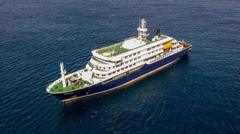
- Andes hantavirus strain found among cruise ship passengers
- Rare person-to-person transmission reported in Andes strain cases
- Health authorities investigating exposure routes on vessel
📰 Continuing coverage: 18 Americans airlifted home after hantavirus outbreak on cruise ship
The Andes strain of hantavirus, a rare and potentially deadly virus, has been identified in multiple passengers aboard a cruise ship, health officials confirmed Thursday. The cases mark one of the few documented instances where the virus may have spread between people, a phenomenon previously observed only with the Andes variant. Authorities did not disclose the ship’s name or itinerary but stated they are tracing contacts and assessing exposure risks among passengers and crew.
Hantavirus is primarily transmitted through contact with infected rodents or their urine, droppings, or saliva, typically in rural or wilderness areas. The Andes strain, however, is unique in its ability to spread via close contact with an infected person, though this remains uncommon. Symptoms usually appear within 1 to 8 weeks after exposure and include fever, muscle aches, and fatigue, followed by difficulty breathing as the virus attacks the lungs. The case fatality rate for hantavirus pulmonary syndrome can exceed 38%, according to the Centers for Disease Control and Prevention (CDC).
How hantavirus spreads
Most hantavirus infections occur when people inhale aerosolized particles from rodent excrement. This can happen while cleaning cabins, storage areas, or outdoor spaces where mice or rats have nested. In rare cases, such as this cruise ship outbreak, the Andes strain has spread through direct person-to-person contact, including respiratory droplets or close interaction. The World Health Organization WHO notes that such transmission is typically limited to household or intimate contacts.
Officials emphasized that casual contact, such as sharing a dining table or brief conversation, does not pose a significant risk. Cruise lines have heightened rodent control measures in response to the cases. Passengers who reported symptoms after the voyage were urged to seek medical evaluation immediately.
Symptoms and treatment
Early symptoms of hantavirus infection resemble the flu—fever, chills, headache, and muscle pain—often accompanied by nausea or vomiting. Within days, severe respiratory distress can develop as fluid fills the lungs, a condition known as hantavirus pulmonary syndrome (HPS). There is no specific treatment or cure for hantavirus; care focuses on supportive measures, including oxygen therapy, hospitalization, and intensive care for severe cases. Early diagnosis improves survival chances, as symptoms can worsen rapidly.
The CDC recommends avoiding contact with rodents and their habitats, especially in areas where the virus is known to circulate. Travelers to regions with high rodent populations should inspect accommodations for signs of infestation and use protective gear when cleaning enclosed spaces. Cruise passengers who develop symptoms within weeks of disembarking should inform their doctors of recent travel history.
Health agencies are reviewing this outbreak to determine if additional precautions are needed for future voyages. While person-to-person spread remains rare, the detection of the Andes strain aboard a cruise ship highlights the importance of vigilance in global travel settings. Passengers exposed on this voyage are being monitored for at least a month to track potential delayed symptoms.
The broader implications of this outbreak extend beyond the cruise line. It underscores the growing need for international health monitoring systems to track emerging infectious diseases in high-traffic environments like ships, planes, and resorts. Experts warn that climate change and urban sprawl are increasing human-rodent interactions, raising the risk of hantavirus and other zoonotic diseases spreading into new regions.
What You Need to Know
- Source: BBC News
- Published: May 10, 2026 at 16:22 UTC
- Category: Health
- Topics: #bbc · #health · #medicine · #virus · #disease · #hantavirus
Read the Full Story
This is a curated summary. For the complete article, original data, quotes and full analysis:
All reporting rights belong to the respective author(s) at BBC News. GlobalBR News summarizes publicly available content to help readers discover the most relevant global news.
Curated by GlobalBR News · May 10, 2026
Related Articles
- Why ‘Ballmaxxing’ May Be More Dangerous Than You Think
- Woman thrives 30 years after 1996 HIV diagnosis at age 74
- 18 Americans airlifted home after hantavirus outbreak on cruise ship
🇧🇷 Resumo em Português
Um surto de hantavírus, incluindo a perigosa cepa Andes, foi detectado em um navio de cruzeiro, colocando passageiros e tripulação em alerta. A doença, transmitida principalmente por roedores e que pode ter evolução fatal, agora preocupa o setor de viagens após casos confirmados a bordo, reacendendo discussões sobre prevenção e controle em ambientes fechados e de alta circulação.
O hantavírus Andes é especialmente temido por ser uma das poucas cepas capazes de se disseminar entre pessoas, o que eleva o risco em espaços como navios, onde o contato é intenso. No Brasil, embora não seja comum, a doença já foi registrada em regiões rurais, principalmente no Sul, onde a convivência com roedores silvestres é frequente. A notícia serve como alerta para reforçar medidas de vigilância sanitária em locais de grande aglomeração, como hotéis, navios e até aviões, além de conscientizar viajantes sobre os sintomas — febre, dores musculares e dificuldade respiratória — que podem evoluir para casos graves.
Especialistas recomendam que autoridades sanitárias monitorem possíveis surtos e que passageiros de navios e outros meios de transporte reforcem a higiene e evitem o contato com áreas infestadas por roedores.
🇪🇸 Resumen en Español
El hallazgo de casos de hantavirus, incluida la peligrosa cepa Andes, a bordo de un crucero ha encendido las alarmas entre los viajeros. La detección de esta enfermedad viral, transmitida principalmente por roedores, en un entorno cerrado como un barco, subraya la necesidad de extremar las precauciones en espacios compartidos y con alta afluencia de personas.
El hantavirus Andes, uno de los pocos que puede contagiarse entre humanos, ha generado preocupación por su capacidad de transmisión directa, algo poco común en este tipo de infecciones. Aunque los casos son esporádicos y suelen estar vinculados a regiones endémicas de Sudamérica, el incidente en un crucero —un escenario global— pone de manifiesto la importancia de la vigilancia epidemiológica en rutas turísticas. Los síntomas, que incluyen fiebre, dolor muscular y problemas respiratorios graves, pueden confundirse con otras afecciones, retrasando el diagnóstico. Este episodio sirve como recordatorio para viajeros y tripulaciones sobre la necesidad de mantener medidas de higiene rigurosas y estar atentos a cualquier alerta sanitaria en destinos frecuentes.
BBC News
Read full article at BBC News →This post is a curated summary. All rights belong to the original author(s) and BBC News.
Was this article helpful?


Discussion