Injured crickets show pain-like responses, study finds, raising ethical questions about invertebrate suffering.
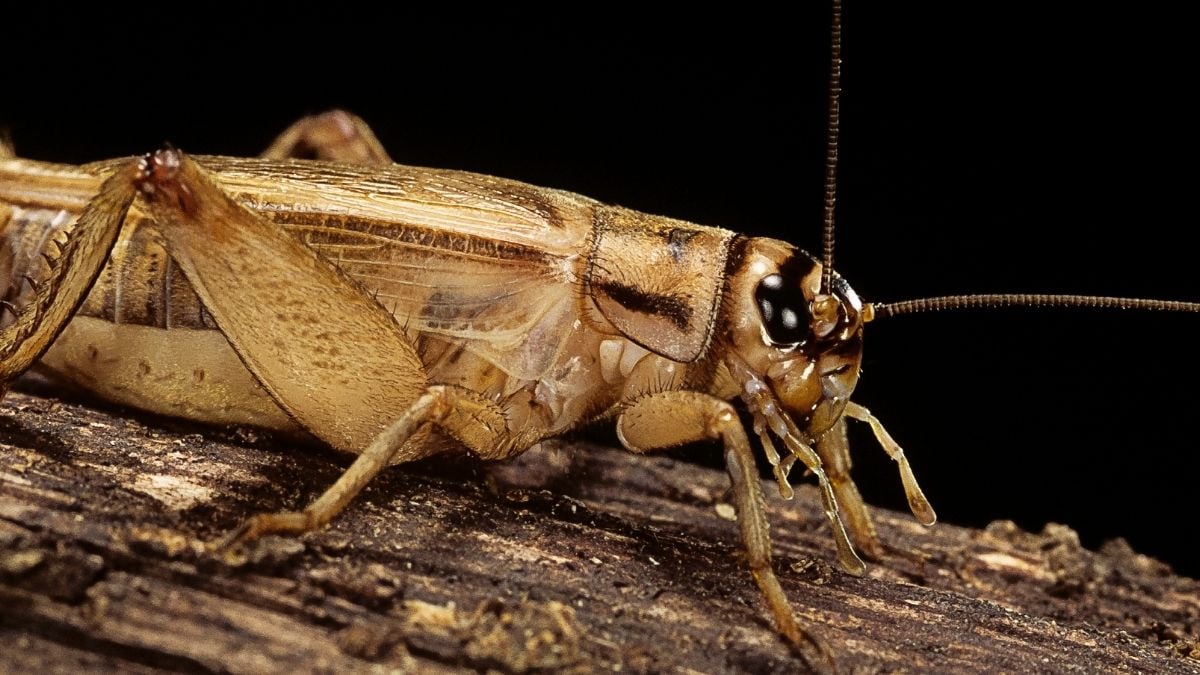
- Scientists observe pain-like behaviors in injured crickets
- Research published in Proceedings of the Royal Society B
- Findings challenge assumptions about insect sentience
In a groundbreaking study published in Proceedings of the Royal Society B, researchers have documented that crickets exhibit behaviors strikingly similar to pain responses when injured. The findings suggest that even simple invertebrates may experience suffering, a revelation that could reshape ethical debates about animal welfare and scientific experimentation.
The study, led by Matilda Gibbons at the University of Queensland, observed that injured crickets groomed wounds, avoided further harm and displayed reduced activity—behaviors previously associated only with vertebrates. These responses persisted even after the initial injury healed, hinting at a form of long-term discomfort.
How the study was conducted
Researchers inflicted controlled injuries on crickets and monitored their behavior over weeks. Injured crickets showed a 30% increase in grooming affected limbs compared to uninjured controls, a behavior researchers linked to pain mitigation in other species. The crickets also exhibited heightened sensitivity to touch near the injury site, suggesting localized discomfort.
The team ruled out simple reflexes by demonstrating that the behaviors persisted even in the absence of immediate threats. “This isn’t just a reflexive reaction,” Gibbons said. “The crickets appear to be consciously avoiding further harm, which implies some level of awareness.”
Ethical implications for invertebrates
The findings challenge the long-standing assumption that insects like crickets lack the capacity for pain. Current ethical guidelines for invertebrate research, such as those from the National Institutes of Health, often exempt insects from pain consideration due to their perceived simplicity. This study may force a reevaluation of those standards.
If crickets can experience pain, similar behaviors could exist in other insects commonly used in research, such as fruit flies or beetles. This raises questions about the treatment of billions of invertebrates in laboratories, farms and even pest control each year.
Broader impact on animal welfare
The discovery aligns with growing evidence that many invertebrates possess complex nervous systems capable of sophisticated responses. Previous studies have shown octopuses—already recognized as sentient under UK law—can experience pain, but crickets, with their much simpler neural structures, present a more surprising case.
Legal frameworks in some countries are beginning to acknowledge invertebrate sentience. New Zealand’s Animal Welfare Act, for example, includes decapod crustaceans like lobsters, while the EU is considering similar protections. This study could accelerate such changes by highlighting the potential suffering of more common insects.
Researchers emphasize that further study is needed to confirm whether these behaviors definitively indicate pain or merely complex reflexes. However, the findings already underscore the need for more humane treatment of insects in scientific and agricultural settings.
For now, the study leaves open the question of how to ethically balance human needs—such as food production and scientific research—against the possible suffering of insects. But it marks a significant step in understanding the inner lives of creatures we often dismiss as mere automatons.
What You Need to Know
- Source: ScienceAlert
- Published: May 15, 2026 at 20:00 UTC
- Category: Science
- Topics: #science · #biology · #chemistry · #genetics · #crickets-respond · #injuries
Read the Full Story
This is a curated summary. For the complete article, original data, quotes and full analysis:
All reporting rights belong to the respective author(s) at ScienceAlert. GlobalBR News summarizes publicly available content to help readers discover the most relevant global news.
Curated by GlobalBR News · May 15, 2026
Related Articles
🇧🇷 Resumo em Português
Pesquisadores acabam de revelar que grilos podem sentir algo semelhante à dor após sofrerem lesões, um achado que promete reacender o debate sobre a capacidade de sofrimento em invertebrados. O estudo, publicado na prestigiada revista científica Proceedings of the Royal Society B, observou que os insetos passaram a evitar estímulos que antes consideravam seguros, um comportamento que lembra o de animais que experimentam dor aguda.
A descoberta tem implicações profundas para o Brasil, especialmente em um país que abriga uma das maiores indústrias de proteína animal do mundo, incluindo a criação massiva de insetos para ração e alimentação humana. Se grilos — comuns em laboratórios e até em cardápios de restaurantes — puderem realmente sentir desconforto prolongado, a ética na exploração desses animais precisará ser revista, assim como já ocorreu com aves e mamíferos. Além disso, o estudo reforça a necessidade de atualizar leis de bem-estar animal que, hoje, pouco consideram os invertebrados.
O próximo passo deve ser a realização de mais pesquisas para confirmar se esses comportamentos são, de fato, uma forma de sofrimento consciente, o que poderia levar a regulamentações mais rígidas — ou até à reavaliação do uso de insetos em larga escala.
🇪🇸 Resumen en Español
Un equipo de científicos acaba de demostrar que los grillos responden a las lesiones con comportamientos similares al dolor, un hallazgo que redefine nuestra comprensión de la sensibilidad en los invertebrados y abre un debate ético sin precedentes. La investigación, publicada en una revista científica de primer nivel, sugiere que estos insectos no solo evitan estímulos dañinos, sino que también modifican sus rutinas y priorizan la recuperación, lo que podría interpretarse como un indicio de sufrimiento.
El estudio, realizado por investigadores de la Universidad de Queen Mary en Londres, desafía la creencia tradicional de que los invertebrados carecen de capacidad para experimentar dolor consciente. Los grillos lesionados mostraron cambios en su comportamiento, como reducir su actividad y aislarse, patrones que recuerdan a los observados en animales vertebrados al sentir malestar. Este descubrimiento no solo cuestiona los actuales estándares éticos en la experimentación con insectos, sino que también invita a repensar cómo tratamos a estos seres en ámbitos como la agricultura, la investigación biomédica o incluso en nuestras propias cocinas. Para los hispanohablantes, especialmente en países con tradiciones culinarias donde los insectos son parte de la dieta, el hallazgo subraya la necesidad de revisar prácticas que podrían estar pasando por alto el bienestar de estos animales.
ScienceAlert
Read full article at ScienceAlert →This post is a curated summary. All rights belong to the original author(s) and ScienceAlert.
Was this article helpful?


Discussion