Pakistan just signed a defense pact with Saudi Arabia, proving small states can punch above their weight in global power games.
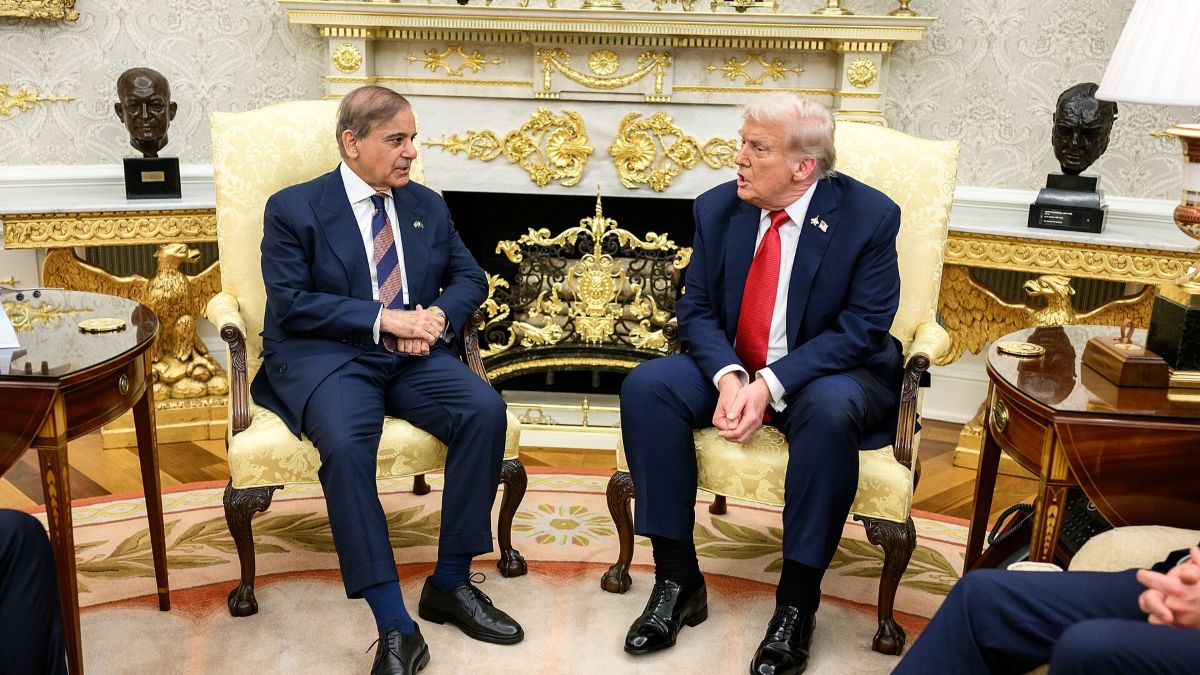
- Pakistan and Saudi Arabia signed a mutual defense pact in September 2025
- The pact formalizes decades of covert military and intelligence cooperation
- Pakistan leverages its ties to outmaneuver India on the global stage
In late September 2025, Pakistan and Saudi Arabia quietly signed a mutual defense pact in Riyadh, a move that looked routine but carried major implications. The agreement was framed as a natural deepening of bilateral ties, but it was really the latest step in a 50-year pattern of cooperation that has repeatedly frustrated the logic of power politics. Pakistan, a country dependent on International Monetary Fund bailouts and outgunned by India in conventional military terms, has somehow positioned itself as an indispensable broker in the Middle East. The deal with Saudi Arabia isn’t just about defense. It’s about intelligence sharing, counterterrorism coordination, and regional influence—areas where Pakistan has quietly built deep ties with Riyadh while India struggles to match them. The pact also gives Saudi Arabia a reliable partner in a region where trust is scarce, especially after years of shifting alliances in the Middle East. For Pakistan, this isn’t just about security. It’s about survival in a world where its smaller size and economic struggles make it easy to overlook—but its strategic location and military relationships make it impossible to ignore. The defense pact might look like a technicality, but it’s really a signal: Pakistan is still a player, even when the odds are stacked against it. Pakistan’s ability to punch above its weight in global affairs isn’t new. Since the 1970s, the country has used its military and intelligence networks to carve out a niche that larger rivals like India can’t easily replicate. The latest pact with Saudi Arabia is the most visible example yet of how Pakistan turns weakness into leverage. By positioning itself as a bridge between Saudi Arabia and other regional players, Pakistan has made itself relevant in ways that defy conventional power calculations. This isn’t just about weapons or money. It’s about Pakistan’s role as a mediator in conflicts where big powers fail to deliver results. Take Iran, for instance. Pakistan has spent decades balancing its ties with Tehran while maintaining close relations with Riyadh, a balancing act that has frustrated both sides at times. But it’s also given Pakistan a unique role in de-escalating tensions when others fail. The mutual defense pact with Saudi Arabia is a formalization of that role. It’s not about waging war. It’s about ensuring Pakistan stays at the table when decisions are made. India has long seen Pakistan as a nuisance, a smaller neighbor that can’t be ignored but is always overshadowed. But Pakistan’s latest moves suggest New Delhi might be underestimating its rival. The defense pact with Saudi Arabia is just the latest in a series of moves that have kept Pakistan relevant on the global stage. From brokering backchannel talks with the Taliban to hosting peace negotiations between warring factions, Pakistan has turned its limitations into assets. The country’s economic struggles and reliance on bailouts from the IMF make it look weak on paper. But its military and intelligence networks are some of the most sophisticated in the region, built over decades of cooperation with countries like Saudi Arabia, China, and the United States. The mutual defense pact signed in Riyadh is a reminder that power isn’t just about size or resources. It’s about leverage, and Pakistan has spent decades perfecting the art of turning weakness into influence. The pact also raises questions about the future of India’s role in the Middle East. New Delhi has struggled to match Pakistan’s regional influence, despite its larger economy and military. The defense pact with Saudi Arabia is a direct challenge to India’s ambitions in the region, and it’s one more sign that Pakistan isn’t going anywhere. For policymakers in New Delhi, Islamabad, and beyond, the message is clear: Pakistan’s ability to outmaneuver India isn’t just a fluke. It’s a strategy that has worked for decades, and it’s not going to change anytime soon.
What You Need to Know
- Source: War on the Rocks
- Published: April 20, 2026 at 07:30 UTC
- Category: War
- Topics: #defense · #military · #geopolitics · #war · #conflict · #iran
Read the Full Story
This is a curated summary. For the complete article, original data, quotes and full analysis:
All reporting rights belong to the respective author(s) at War on the Rocks. GlobalBR News summarizes publicly available content to help readers discover the most relevant global news.
Curated by GlobalBR News · April 20, 2026
Related Articles
- Wembanyama’s Spurs reach Western finals, Pistons stay alive in NBA playoffs
- 🎉 250 Articles in War!
- 🎉 100 Articles in War!
🇧🇷 Resumo em Português
Numa jogada estratégica que surpreendeu analistas globais, o Paquistão selou em setembro de 2025 um pacto de defesa mútua com a Arábia Saudita, reforçando uma aliança de décadas e redefinindo o equilíbrio de forças no Oriente Médio — e com potenciais reflexos diretos para o Brasil e os países lusófonos.
O acordo, firmado em meio a tensões crescentes entre Índia e Paquistão, vai além da cooperação militar: envolve investimentos bilionários sauditas em infraestrutura paquistanesa, intercâmbios de inteligência e até treinamento conjunto de forças especiais. Para o Brasil, que mantém relações sólidas com ambos os países — especialmente no comércio de commodities e na defesa — a movimentação acende um sinal amarelo. Afinal, o Oriente Médio é um dos principais fornecedores de petróleo ao Brasil, e qualquer instabilidade na região pode impactar preços e segurança energética. Além disso, a aproximação entre Islamabad e Riad reforça um eixo islâmico conservador que, embora distante geograficamente, influencia comunidades muçulmanas no Brasil, com potenciais desdobramentos políticos e sociais.
Ainda é cedo para prever todas as consequências, mas uma coisa é certa: o Brasil precisará monitorar de perto como esse novo pacto molda não só a geopolítica regional, mas também sua própria estratégia de defesa e economia.
🇪🇸 Resumen en Español
Pakistán ha dado un paso estratégico en Oriente Medio al firmar en septiembre de 2025 un pacto de defensa mutua con Arabia Saudí, reforzando una alianza que, pese a su discreción, redefine el equilibrio de poder en la región frente a India. Este acuerdo no solo consolida la influencia paquistaní en el Golfo, sino que introduce un nuevo actor con capacidad para alterar la dinámica geopolítica tradicional.
La relevancia del pacto radica en que sitúa a Pakistán como socio clave para Riad, especialmente en un contexto de tensiones regionales donde la rivalidad entre Irán y Arabia Saudí sigue latente. Para los lectores hispanohablantes, este movimiento subraya la importancia de no subestimar los ajustes en alianzas históricas, como la que tradicionalmente ha vinculado a Estados Unidos con sus socios en el Golfo. Además, refleja cómo los países del sur de Asia están ganando peso en Oriente Medio, un escenario que podría tener repercusiones en el comercio energético y la seguridad global, ámbitos en los que España y la UE mantienen intereses estratégicos.
War on the Rocks
Read full article at War on the Rocks →This post is a curated summary. All rights belong to the original author(s) and War on the Rocks.
Was this article helpful?



Discussion