Local communities fight AI data centers over power and land use.
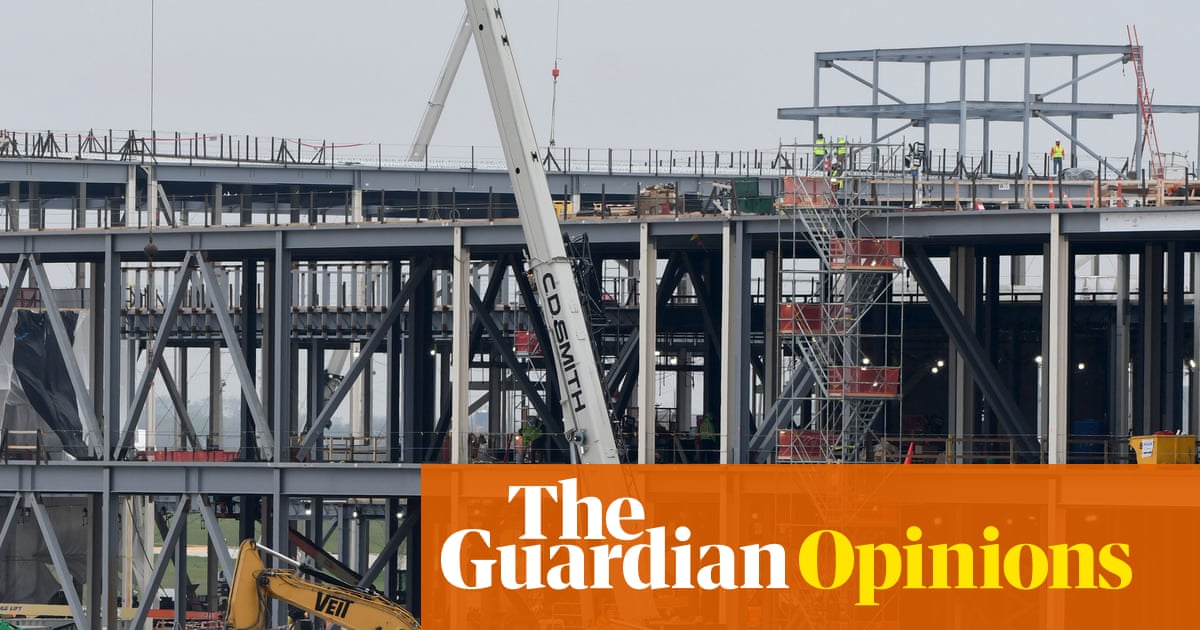
- Protests target AI data centers for high energy consumption
- Communities say centers drain resources from residents
- Opposition grows as facilities expand across the U.S.
Artificial intelligence data centers are facing increasing backlash from communities across the United States over their massive energy demands and land use, raising questions about who benefits from the AI boom. Residents in states from Virginia to Iowa are pushing back against plans to build or expand facilities, citing concerns about strained power grids, rising costs and environmental impact.
The resistance reflects a growing divide between the tech industry’s rapid expansion and the needs of local populations. Data centers, which power AI systems, consume vast amounts of electricity—some facilities use as much power as a small city. Critics argue that the benefits of these centers, such as jobs and tax revenue, are outweighed by the costs borne by nearby residents, including higher utility bills and potential environmental harm.
Why communities oppose AI data centers
Local opposition has intensified as companies like Microsoft, Google and Amazon race to build AI infrastructure. In Des Moines, Iowa, residents protested a planned Microsoft data center, citing fears it would overload the local power grid. In Loudoun County, Virginia, known as the “Data Center Alley,” residents have raised concerns about water usage and rising electricity rates.
Some communities have taken legal action. In Princeton, Minnesota, a group filed a lawsuit to block a proposed Meta data center, arguing it would harm local agriculture and increase energy prices. Others have lobbied for moratoriums on new facilities until environmental and economic impacts are better understood.
The energy dilemma
AI data centers are among the fastest-growing consumers of electricity in the U.S., with some estimates suggesting they could account for 20% of the country’s power demand by 2030. The strain on grids has led to blackouts in some areas and prompted calls for stricter regulations. Utilities are scrambling to upgrade infrastructure, but the costs are often passed on to consumers.
Tech companies counter that data centers bring economic benefits, including jobs and investment. However, critics argue that the benefits are concentrated in corporate hands while the burdens fall on local taxpayers. The debate has intensified as AI adoption accelerates, with no clear resolution in sight.
What happens next
The conflict over AI data centers is likely to escalate as the tech industry continues its rapid expansion. Some states are considering new laws to cap energy use or require environmental impact studies before approving new facilities. Meanwhile, communities are organizing to demand a greater say in how resources are allocated.
For now, the standoff between AI developers and local residents shows no signs of slowing. As one critic put it, the question is no longer whether these centers will keep growing—but who will pay the price.
What You Need to Know
- Source: The Guardian
- Published: May 16, 2026 at 12:00 UTC
- Category: Environment
- Topics: #guardian · #climate · #environment · #war · #conflict · #pity
Read the Full Story
This is a curated summary. For the complete article, original data, quotes and full analysis:
All reporting rights belong to the respective author(s) at The Guardian. GlobalBR News summarizes publicly available content to help readers discover the most relevant global news.
Curated by GlobalBR News · May 16, 2026
🇧🇷 Resumo em Português
A explosão na demanda por centros de dados de inteligência artificial nos Estados Unidos está gerando uma onda de protestos por justiça energética e uso do solo, colocando em xeque a rápida expansão da tecnologia em meio a crises de fornecimento de eletricidade e conflitos fundiários. O que começou como um debate técnico entre especialistas agora ganha as ruas, com moradores e ativistas acusando gigantes da IA de priorizar servidores milionários em detrimento de necessidades básicas das comunidades locais.
No Brasil, onde a matriz energética ainda depende fortemente de hidroeletricidade e o acesso à terra é historicamente conflituoso, a discussão ressoa com força. O país, que já enfrenta disputas por recursos hídricos entre agricultura e indústrias, corre o risco de ver sua estabilidade energética ameaçada pela atração de megaprojetos de data centers — especialmente em regiões com fragilidades na distribuição de energia. Além disso, a pressão sobre terras para infraestrutura digital pode agravar conflitos fundiários já existentes, como os vividos na Amazônia, onde a grilagem e a especulação imobiliária são problemas crônicos.
Com gigantes como Microsoft e Amazon ampliando investimentos no setor, a tendência é que os embates se intensifiquem, exigindo regulamentações mais rígidas e participação popular nas decisões sobre alocação de recursos — ou o Brasil pode se tornar o próximo palco de uma batalha entre inovação tecnológica e direitos sociais.
The Guardian
Read full article at The Guardian →This post is a curated summary. All rights belong to the original author(s) and The Guardian.
Was this article helpful?



Discussion