US halts Poland troop deployment after Trump orders 5,000 troops withdrawn from Germany.
- Trump administration stops Poland troop deployment after Germany pullout order
- 5,000 US troops ordered out of Germany by Trump administration
- 4,000 troops from 2nd Armored Brigade Combat Team affected
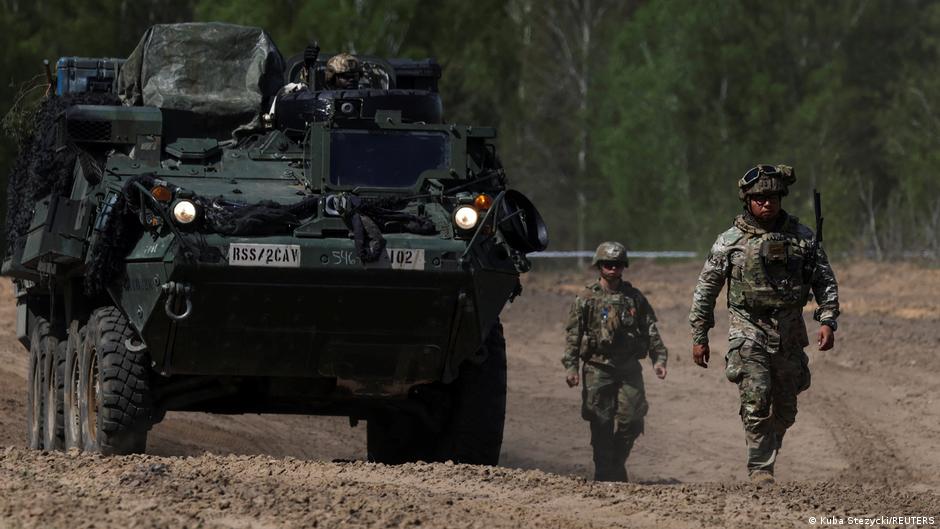
WASHINGTON — The Pentagon has halted the planned deployment of 4,000 U.S. troops to Poland, citing orders to reduce forces in Europe following President Donald Trump’s directive to withdraw 5,000 soldiers from Germany. The abrupt policy shift has drawn criticism from both Democratic and Republican lawmakers, who warn it sends a damaging message to allies amid rising global tensions.
General Christopher LaNeve, acting chief of staff of the U.S. Army, told the House Armed Services Committee on Saturday that the head of U.S. European Command had received instructions to reduce forces in the region. LaNeve said it “made the most sense” for the 2nd Armored Brigade Combat Team to delay its deployment to Europe but provided no further rationale. Secretary of the Army Dan Driscoll confirmed the halt occurred “a couple of days ago.”
Bipartisan backlash intensifies in Congress
Lawmakers from both parties expressed alarm over the decision. Representative Joe Courtney, a Democrat from Connecticut, called the move a “horrible message” to NATO allies, particularly Poland, which has sought stronger U.S. military presence to counter Russian threats. Republican lawmakers, including Senate Armed Services Committee member Thom Tillis, also criticized the abrupt withdrawal, calling it disruptive to military planning and alliance cohesion.
The Trump administration has increasingly questioned the value of maintaining large U.S. troop deployments in Europe, arguing that allies should shoulder more defense responsibilities. However, critics argue the withdrawal weakens deterrence against Russian aggression and undermines NATO commitments. Poland has been a key ally in Eastern Europe, hosting a permanent U.S. military base since 2020.
The Pentagon’s decision to pause the Poland deployment comes as Defense Secretary Mark Esper faces mounting pressure to justify the troop reductions. Esper has previously stated that the move is part of a broader strategy to realign U.S. forces globally, though specifics remain unclear. The administration has not detailed how the withdrawn troops from Germany will be reassigned, raising concerns about operational gaps in Europe.
NATO Secretary General Jens Stoltenberg has emphasized the alliance’s unity amid the U.S. policy shifts, but internal divisions are evident. Poland’s government has not publicly commented on the halted deployment but has repeatedly called for expanded U.S. military support to counter Russian military buildup near its borders.
The policy reversal follows Trump’s May 2025 announcement that he would reduce U.S. troop levels in Germany by nearly 25%, a move that drew sharp rebuke from European leaders. The administration has framed the cuts as a cost-saving measure, though critics argue they weaken U.S. influence in the region. The halt to the Poland deployment suggests further disruptions to military planning are likely as the Pentagon scrambles to implement the changes.
What You Need to Know
- Source: Deutsche Welle
- Published: May 15, 2026 at 23:56 UTC
- Category: World
- Topics: #europe · #world-news · #war · #military · #poland
Read the Full Story
This is a curated summary. For the complete article, original data, quotes and full analysis:
All reporting rights belong to the respective author(s) at Deutsche Welle. GlobalBR News summarizes publicly available content to help readers discover the most relevant global news.
Curated by GlobalBR News · May 15, 2026
Related Articles
- Xi gives Trump private tour of secret garden in Beijing
- 🎉 100 Articles in World!
- What happens to those who say no to fighting wars?
🇧🇷 Resumo em Português
O presidente dos Estados Unidos, Donald Trump, surpreendeu o mundo ao suspender o envio de 4 mil soldados americanos para a Polônia, apenas dias depois de anunciar a retirada de 5 mil tropas da Alemanha. A decisão, que pega de surpresa aliados históricos, sinaliza uma guinada brusca na estratégia militar dos EUA na Europa, deixando governos e analistas em alerta.
A notícia tem impacto direto no Brasil e nos países de língua portuguesa, especialmente por reacender debates sobre a confiabilidade da aliança militar ocidental em um momento de crescente tensão geopolítica. Enquanto a Polônia, alvo do movimento, comemora o possível reforço, a Alemanha — tradicional parceira dos EUA — vê sua importância estratégica diminuir diante de uma política externa cada vez mais imprevisível. Para o Brasil, que mantém relações históricas com ambos os países, a instabilidade pode refletir em acordos de defesa e comércio, além de expor fragilidades em acordos internacionais assinados sob a égide da Organização do Atlântico Norte (OTAN).
O impasse levanta dúvidas sobre os próximos passos da administração Trump e como a Europa e outros aliados — incluindo o Brasil — irão se posicionar frente a uma política externa tão volátil.
🇪🇸 Resumen en Español
El Gobierno de Estados Unidos ha frenado la llegada de 4.000 soldados estadounidenses a Polonia tras la decisión de retirar 5.000 efectivos de Alemania, un cambio estratégico que ha generado críticas por su falta de coordinación y transparencia. La medida, impulsada por la administración Trump, refleja tensiones en la relación transatlántica y pone en duda el compromiso de Washington con la seguridad europea en plena crisis geopolítica.
El traslado de tropas, que venía gestándose desde hace meses, se ha visto afectado por la orden de retirada en Alemania, un movimiento que los aliados europeos ven como un debilitamiento de la OTAN en un momento clave. Analistas señalan que esta decisión unilateral podría debilitar la confianza en la alianza militar y alimentar las divisiones internas en Europa, donde países como Polonia y los bálticos buscan mayor presencia estadounidense para contrarrestar la influencia rusa. La falta de consulta previa, según legisladores estadounidenses, subraya los riesgos de una política exterior errática que podría tener consecuencias imprevisibles para la estabilidad del continente.
Deutsche Welle
Read full article at Deutsche Welle →This post is a curated summary. All rights belong to the original author(s) and Deutsche Welle.
Was this article helpful?


Discussion