Watch a 100-foot asteroid safely zip past Earth live online on May 18 at 3:45 p.m. EDT.
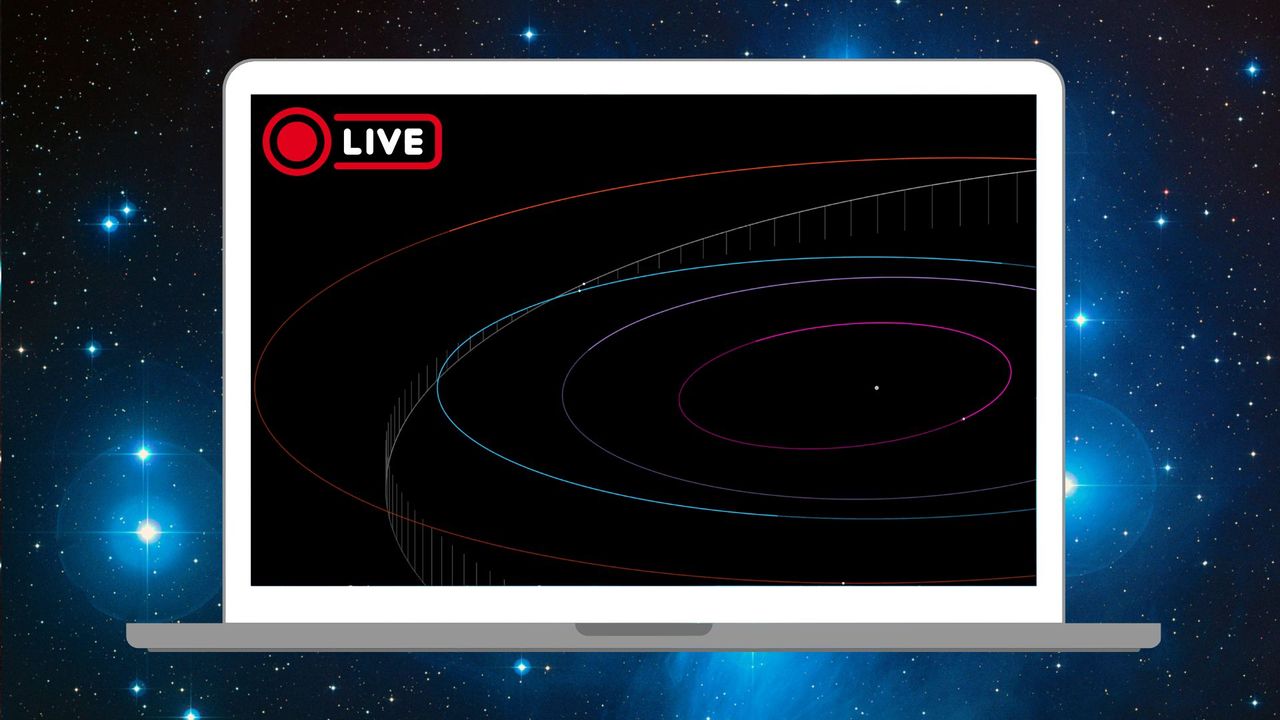
- Asteroid 2024 JB2 will pass safely by Earth on May 18
- The space rock is about as long as a blue whale
- A free livestream starts at 3:45 p.m. EDT from Italy
A 100-foot asteroid named 2024 JB2 is set to make a close but harmless pass by Earth on May 18. NASA’s tracking confirms the space rock won’t hit our planet, but it will come close enough for a live view through telescopes in Italy. The stream starts at 3:45 p.m. EDT, giving sky watchers a real-time look at the asteroid’s journey across the sky. It’s the kind of event that turns heads, not because it’s dangerous, but because it’s rare to see something that size up close like this. The asteroid is roughly the length of a blue whale, about 100 feet, which makes it a big enough target for amateur telescopes to spot if you know where to look. NASA’s Center for Near-Earth Object Studies keeps tabs on these objects, and this one’s on their radar—not because it’s a threat, but because it’s interesting. The asteroid will zip by at a safe distance, estimated to be about 2.5 million miles from Earth. That’s far enough to avoid any risks, but close enough to give astronomers a good look at its speed and trajectory. If the skies over Italy are clear, the robotic telescopes managed by Virtual Telescope Project will broadcast the asteroid live. The project’s founder, Gianluca Masi, has done this before—tracking and streaming asteroids, comets, and other celestial visitors so people can watch from anywhere in the world. ## How to watch the asteroid live online The livestream is free and open to anyone with an internet connection. Just head to the Virtual Telescope Project’s website or YouTube channel at 3:45 p.m. EDT on May 18. The stream will run as long as the weather cooperates in Italy. If clouds roll in, the broadcast might get delayed or canceled, so there’s always a little gamble with live astronomy. No special equipment is needed, but if you’re curious about catching a glimpse yourself, you’ll need a telescope or a good pair of binoculars and a clear night. The asteroid will be visible in the constellation Virgo, moving at about 25,000 miles per hour. That’s fast enough to see it shift position in real time if you’re watching through a telescope. For most people, this is purely a fun event—like watching a train speed by from a safe distance. NASA updates its close approach tables regularly, and 2024 JB2 is just one of dozens of asteroids that swing by Earth each year without causing any trouble. ## Why this asteroid matters for scientists Even though 2024 JB2 isn’t on a collision course, events like this give scientists a chance to study the object’s composition and behavior. Radar and optical observations can reveal details about its shape, spin, and surface, which helps researchers understand more about where these asteroids come from. Most near-Earth asteroids are leftovers from the solar system’s formation, and studying them is like looking at fossils from 4.6 billion years ago. The data collected during this flyby could improve models that predict the paths of future asteroids. It’s also a test run for tracking systems, ensuring we’re ready if a bigger, more concerning object ever heads our way. ## What happens next after May 18? After this flyby, 2024 JB2 will continue its orbit around the sun, and it won’t be back this close to Earth for decades. NASA and other space agencies keep an eye on thousands of similar objects, updating their risk assessments constantly. For now, though, the focus is on May 18—when a 100-foot space rock will put on a show for anyone willing to tune in.
What You Need to Know
- Source: Space.com
- Published: May 17, 2026 at 13:00 UTC
- Category: Science
- Topics: #space · #astronomy · #nasa · #war · #conflict · #watch
Read the Full Story
This is a curated summary. For the complete article, original data, quotes and full analysis:
All reporting rights belong to the respective author(s) at Space.com. GlobalBR News summarizes publicly available content to help readers discover the most relevant global news.
Curated by GlobalBR News · May 17, 2026
🇧🇷 Resumo em Português
Um asteroide do tamanho de uma baleia-azul rasgou o céu terrestre ontem à tarde em mais um daqueles encontros cósmicos que despertam curiosidade e, vez ou outra, um frio na espinha. A rocha espacial de aproximadamente 30 metros de diâmetro passou raspando — mas sem oferecer perigo — pela Terra em uma transmissão ao vivo transmitida diretamente da Itália, permitindo que milhões de pessoas ao redor do mundo assistissem ao fenômeno em tempo real.
O episódio, embora comum em termos astronômicos, ganha relevância no Brasil especialmente por reforçar a importância da vigilância espacial e da cooperação internacional em monitoramento de objetos próximos à Terra. Com a crescente participação de pesquisadores brasileiros em projetos como o SONEAR (Southern Observatory for Near Earth Asteroids Research), iniciativas como essa ajudam a mapear ameaças potenciais e a formar uma rede de alerta precoce. Além disso, a popularização de eventos como este aproxima a ciência do público, mostrando que o cosmos, embora distante, está mais acessível do que nunca.
A próxima vez que um asteroide passar próximo ao nosso planeta, a expectativa é que novas tecnologias e colaborações entre observatórios aumentem ainda mais a precisão dos dados — e quem sabe até preparem os cientistas para um dia desviar uma rocha indesejada.
🇪🇸 Resumen en Español
La Tierra recibirá esta semana la visita fugaz de un asteroide del tamaño de una ballena azul, un encuentro cósmico que, aunque cercano, no entraña peligro alguno para nuestro planeta.
El cuerpo rocoso, de unos 30 metros de diámetro, pasará a una distancia segura de la Tierra este sábado 18 de mayo, siendo observable en directo desde Italia a partir de las 21:45 horas (hora peninsular española). Este tipo de fenómenos, más comunes de lo que parece, sirve para recordar la importancia de vigilar el firmamento y refinar las técnicas de detección de objetos cercanos a la Tierra, un esfuerzo en el que colaboran agencias espaciales de todo el mundo. Para los hispanohablantes, además de ser un espectáculo astronómico accesible a través de plataformas digitales, subraya cómo la ciencia moderna nos permite anticipar y entender estos eventos con décadas de antelación, reduciendo riesgos y fomentando la curiosidad por el universo.
Space.com
Read full article at Space.com →This post is a curated summary. All rights belong to the original author(s) and Space.com.
Was this article helpful?


Discussion