Dry office air dehydrates skin and dulls hair, experts warn.
- Experts confirm low humidity in offices dehydrates skin and hair
- Dry indoor air causes flakiness, irritation, and breakage
- Stress, screen time, and poor hygiene worsen skin and hair issues
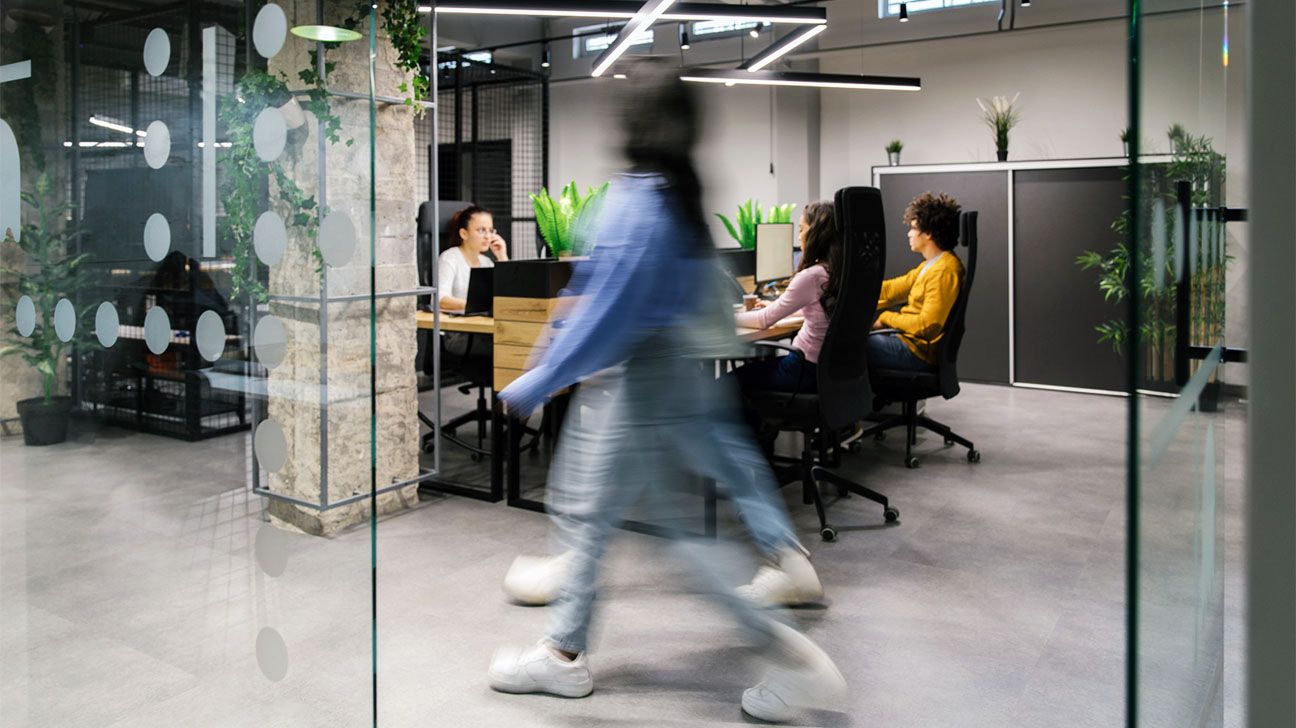
Experts now say there’s truth to the viral ‘office air’ theory spreading across social media platforms like TikTok and Instagram. The claim that indoor environments—especially offices—can negatively affect skin and hair health is gaining traction among professionals who spend long hours in climate-controlled spaces. Dermatologists and trichologists confirm that low humidity and dry air common in offices dehydrate skin, leading to flakiness, irritation, and dullness. Hair can also become brittle and prone to breakage under these conditions. “Indoor air can absolutely impact your skin and hair,” says Dr. Dendy Engelman, a board-certified dermatologist in New York City. “When the air is dry, your skin loses moisture, and your hair cuticles can lift, making strands more fragile.” The office air theory isn’t just about humidity—it ties together multiple factors in modern workplaces that contribute to poor skin and hair health. While dry indoor air is a primary culprit, stress from deadlines, prolonged screen time, hormonal fluctuations, and even infrequent handwashing play roles. Together, these elements create a perfect storm for dehydrated skin and lackluster hair. “The combination of stress and dry air can exacerbate conditions like eczema or acne,” says Dr. Michele Farber, a dermatologist at Schweiger Dermatology Group. “Add in the fact that people touch their faces more when stressed, and you’ve got a recipe for irritation.” Screen time worsens the problem by encouraging prolonged exposure to blue light and reducing blinking, which dries out eyes and skin. Poor air circulation in offices, often due to overworked HVAC systems, compounds the issue by trapping pollutants and allergens that clog pores and irritate follicles. A 2022 study published in the Journal of Cosmetic Dermatology found that office workers in air-conditioned environments reported 30% more skin dryness and irritation compared to those in naturally ventilated spaces. Hair health suffers similarly. High temperatures from heaters in winter and air conditioning in summer strip moisture from hair strands, leading to split ends and frizz. “Office environments often have humidity levels below the ideal 40-60% range, which is optimal for skin and hair,” explains Dr. Jennifer Holman, a Texas-based dermatologist. “When humidity drops, hair loses its natural oils, becoming dry and brittle.” To combat the effects of office air, dermatologists recommend a few simple strategies. Keeping a portable humidifier on your desk can restore moisture to the air, while regular use of hydrating serums, moisturizers, and leave-in conditioners creates a protective barrier against dryness. “Apply a thick moisturizer immediately after washing your face to lock in hydration,” advises Dr. Engelman. “And don’t forget to drink plenty of water—hydration starts from within.” Experts also urge avoiding face-touching, which transfers dirt and oils from hands to skin, worsening breakouts and irritation. Investing in a silk or satin pillowcase can reduce friction and moisture loss overnight. For hair, using a humidifier at night or applying a deep conditioning mask weekly can restore softness and shine. The broader implications of the office air theory extend beyond vanity. Chronic dryness and irritation can lead to more serious skin conditions, while persistent hair damage may signal underlying deficiencies or stress-related health issues. As remote work becomes more common, some professionals are rethinking their office setups, opting for ergonomic chairs and air purifiers to improve indoor air quality. Employers are also taking notice. Some companies now provide desk humidifiers or encourage regular ventilation breaks to promote healthier work environments. As the conversation around office air grows, dermatologists emphasize that small changes can make a big difference. Whether it’s adjusting your skincare routine, investing in a humidifier, or simply taking more breaks from screens, proactive steps can help maintain healthy skin and hair despite the challenges of office life.
What You Need to Know
- Source: Healthline
- Published: May 16, 2026 at 13:44 UTC
- Category: Health
- Topics: #health · #wellness · #medicine · #office-air · #your-skin · #hair-looks
Read the Full Story
This is a curated summary. For the complete article, original data, quotes and full analysis:
All reporting rights belong to the respective author(s) at Healthline. GlobalBR News summarizes publicly available content to help readers discover the most relevant global news.
Curated by GlobalBR News · May 16, 2026
Related Articles
- Why ‘Ballmaxxing’ May Be More Dangerous Than You Think
- Weight Loss Surgeries Decline as GLP-1 Use Skyrockets. Why This Matters
- Olympian Allyson Felix on Why Rest and Recovery Beat Hustle Culture
🇧🇷 Resumo em Português
O ar condicionado do escritório, que já foi sinônimo de conforto nos dias quentes, agora se revela um inimigo silencioso da saúde da pele e dos cabelos. Estudos recentes confirmam que a baixa umidade do ar em ambientes climatizados pode causar ressecamento, irritação e até agravar problemas dermatológicos, como dermatite e eczema, além de deixar os fios opacos e quebradiços.
No Brasil, onde milhões de pessoas passam horas em escritórios com ar-condicionado central ou split, a preocupação ganha ainda mais peso. Especialistas alertam que a umidade relativa do ar abaixo de 40%, comum nesses locais, contribui para a perda de água da pele e dos cabelos, prejudicando sua barreira natural. Para quem já sofre com alergias ou condições crônicas, como psoríase, o risco é ainda maior, exigindo cuidados redobrados, como hidratação constante e uso de umidificadores. Além disso, a rotina de trabalho remoto, que manteve muitas pessoas em casa com ar-condicionado, ampliou o problema para além dos escritórios tradicionais.
A boa notícia é que pequenas mudanças no dia a dia podem fazer toda a diferença: desde o uso de hidratantes faciais e capilares até a adoção de hábitos como beber mais água e manter plantas no ambiente. Empresas também começam a investir em sistemas de climatização mais saudáveis, equilibrando temperatura e umidade para preservar o bem-estar dos colaboradores.
🇪🇸 Resumen en Español
El aire acondicionado y la calefacción de las oficinas resecan la piel y debilitan el cabello, según advierten los dermatólogos, un problema que afecta a millones de trabajadores que pasan horas en entornos con baja humedad. Un estudio reciente ha confirmado que la exposición prolongada a ambientes interiores con aire seco acelera la pérdida de hidratación cutánea y aumenta la fragilidad capilar, síntomas que muchos atribuían antes al estrés o al clima.
Más allá de las molestias inmediatas, como picor o tirantez en la piel, los expertos alertan sobre riesgos a largo plazo: la deshidratación crónica puede agravar condiciones como el eczema o la dermatitis, mientras que un cabello quebradizo dificulta su reparación natural. Para los hispanohablantes que desarrollan su jornada laboral en oficinas con sistemas de climatización intensiva, este fenómeno subraya la importancia de adoptar medidas sencillas, como usar humidificadores o cremas hidratantes, para contrarrestar los efectos de un aire que, lejos de ser inocuo, actúa como un enemigo silencioso para la salud dermatológica.
Healthline
Read full article at Healthline →This post is a curated summary. All rights belong to the original author(s) and Healthline.
Was this article helpful?

Discussion