FDA fires top drug safety official Dr. Tracy Beth Hoeg after policy disputes.
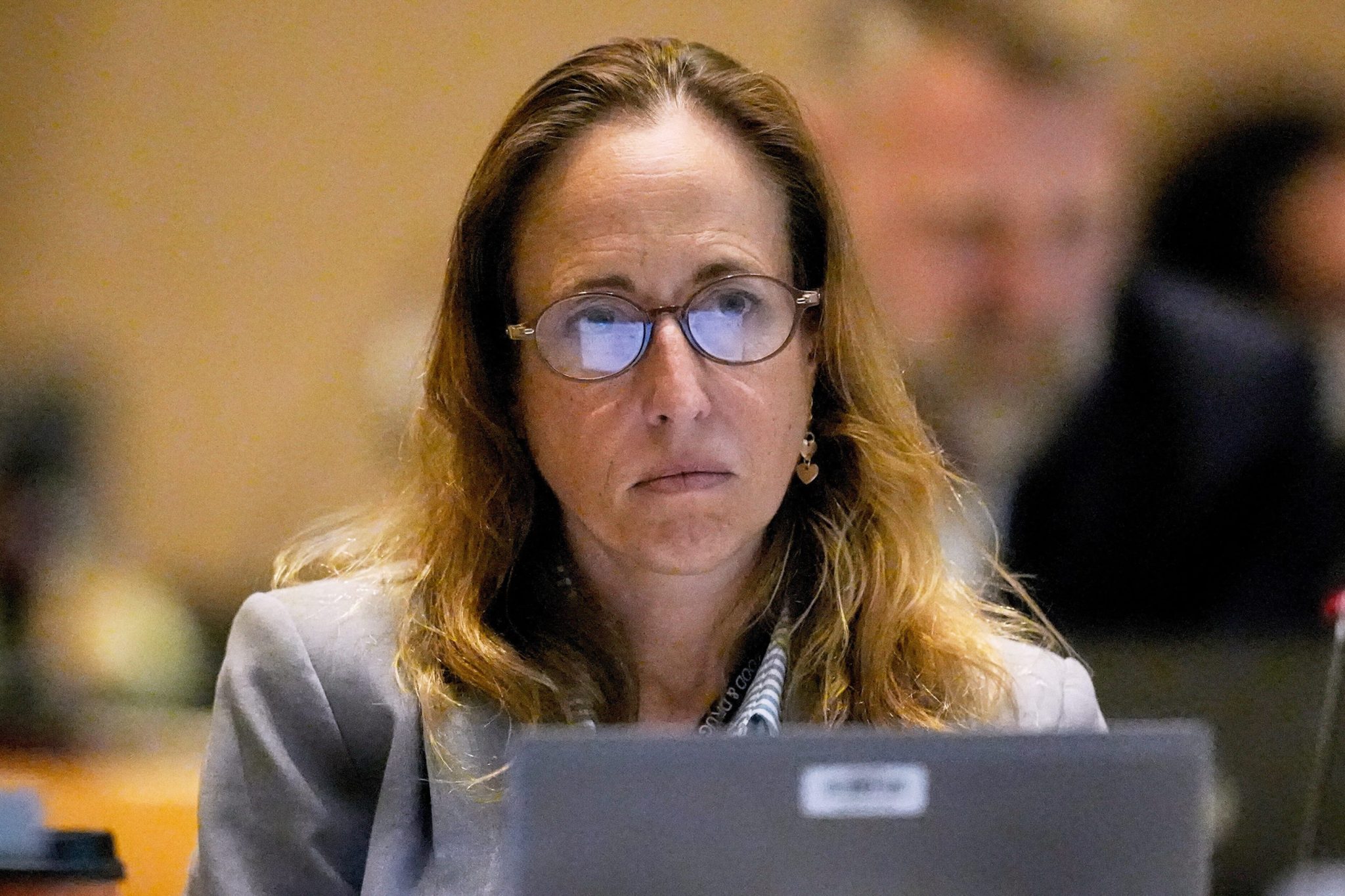
- FDA replaces acting drug center director Dr. Tracy Beth Hoeg
- Dr. Mike Davis named new acting director of FDA’s drug program
- Hoeg confirmed firing via social media after reviewing vaccines and antidepressants
WASHINGTON — The head of the U.S. Food and Drug Administration’s drug evaluation program has been removed from her role days after publicly questioning agency policies on antidepressants and COVID-19 vaccines. Dr. Tracy Beth Hoeg confirmed Friday she was “fired” from her position as acting director of the FDA’s Center for Drug Evaluation and Research, a role she held since January 2025. She shared the news in a social media post late Friday, stating she learned “so much and leave with no regrets” despite the abrupt exit.
The agency announced Dr. Mike Davis, currently deputy director, as Hoeg’s replacement in an internal email obtained by The Associated Press. Davis will take over the acting director role immediately. The FDA declined to comment on the reasons for Hoeg’s removal, which comes amid a broader leadership shake-up at the agency. On Tuesday, FDA Commissioner Marty Makary resigned after less than a year in the position. Earlier this year, Dr. Vinay Prasad, the agency’s top vaccine and biotech official, stepped down after clashing with agency leadership over policy decisions.
FDA leadership under scrutiny
Hoeg’s departure adds to concerns about the FDA’s stability and independence as it navigates high-stakes decisions on drugs and vaccines. As acting director, she oversaw reviews of widely used medications, including antidepressants and COVID-19 vaccines, raising questions about the agency’s direction under new leadership. Her removal follows public criticism of FDA policies by former officials, including Prasad, who accused the agency of bowing to political pressure in vaccine evaluations.
The FDA, a key regulator for drug and vaccine safety in the U.S., has faced increasing scrutiny over its handling of pandemic policies and drug approvals. Hoeg’s firing comes as lawmakers and public health experts debate the agency’s role in balancing speed and rigor in regulatory decisions. Critics argue delays in drug approvals have left patients without access to critical treatments, while others warn rushed evaluations could compromise safety.
Replacement signals continuity amid change
Dr. Mike Davis, the new acting director, previously served as deputy director under Hoeg. A career FDA official, Davis has been with the agency for over a decade, focusing on drug evaluation and safety protocols. His appointment suggests the FDA aims to maintain stability in its drug program despite leadership turnover. The agency has not provided details on the selection process or Davis’s priorities for the role.
Hoeg’s exit follows her vocal criticism of FDA policies, including a 2025 report that questioned the agency’s handling of antidepressant safety data. Her removal has drawn attention from patient advocacy groups and lawmakers, some of whom argue the FDA is silencing dissenting voices within its ranks. Others defend the agency’s actions, citing the need for cohesive leadership during turbulent times.
The FDA’s drug program oversees the evaluation and approval of medications that reach millions of Americans. Hoeg’s firing raises questions about the agency’s commitment to transparency and its willingness to engage with scientific debate. With Makary’s resignation and Prasad’s departure, the FDA now lacks permanent leadership in two of its most critical roles, signaling a period of uncertainty for the agency.
What happens next remains unclear. The FDA has not announced a timeline for appointing permanent leadership or outlined plans to address concerns raised by former officials. For now, Davis will operate in an acting capacity while the agency navigates internal and external pressures to restore confidence in its regulatory decisions.
What You Need to Know
- Source: Fortune
- Published: May 16, 2026 at 14:22 UTC
- Category: Business
- Topics: #fortune · #business · #economy · #health · #vaccine · #medicine
Read the Full Story
This is a curated summary. For the complete article, original data, quotes and full analysis:
All reporting rights belong to the respective author(s) at Fortune. GlobalBR News summarizes publicly available content to help readers discover the most relevant global news.
Curated by GlobalBR News · May 16, 2026
Related Articles
- Kevin O’Leary: Gen Z founders working 18-hour days make ‘no sense’
- Lawyers sanctioned $110K for fake AI citations in landmark Oregon case
- Taiwan arms sales top Trump-Xi talks agenda as Xi meet ends
🇧🇷 Resumo em Português
A Agência Americana de Alimentos e Medicamentos (FDA) novamente choca especialistas ao demitir um de seus principais diretores de segurança de medicamentos, a médica Tracy Beth Hoeg, apenas semanas após ela ter levantado críticas públicas sobre a transparência da agência em relação a antidepressivos e vacinas contra a Covid-19. O episódio reforça preocupações sobre a independência dos órgãos reguladores nos Estados Unidos e acende debates sobre como isso pode afetar a confiança global em instituições que, historicamente, servem de referência para países como o Brasil.
No Brasil, onde a Anvisa é frequentemente comparada à FDA em termos de rigor regulatório, a demissão de Hoeg levanta questões sobre a pressão política e comercial que pode influenciar decisões técnicas em agências de saúde. A médica havia expressado dúvidas sobre a publicação seletiva de dados acerca de efeitos adversos de vacinas e antidepressivos, um tema especialmente sensível no país, onde milhões dependem de medicamentos acessíveis e de políticas públicas de imunização. A situação pode intensificar o ceticismo de profissionais da saúde e da população em relação à transparência de órgãos reguladores, num momento em que a confiança na ciência é crucial para combater tanto doenças infecciosas quanto crises de saúde mental.
A demissão de Hoeg serve como um alerta sobre os riscos de politização na regulação sanitária, que pode reverberar em discussões sobre a reforma de órgãos como a Anvisa no Brasil.
🇪🇸 Resumen en Español
La destitución de la máxima responsable de seguridad farmacéutica de la FDA, la doctora Tracy Beth Hoeg, tras cuestionar públicamente las políticas de la agencia, marca otro capítulo en la creciente tensión entre la ciencia independiente y la gestión institucional en Estados Unidos. Su despido, anunciado tras sus críticas sobre los antidepresivos y las vacunas contra el COVID-19, refleja un patrón preocupante de silenciar voces técnicas en favor de criterios políticos o comerciales.
El caso no solo evidencia una posible erosión de la autonomía regulatoria en la FDA, sino que también enciende las alarmas sobre los riesgos de priorizar la agenda política sobre la evidencia científica en decisiones sanitarias globales. Para los hispanohablantes, este episodio subraya la importancia de vigilar la transparencia en las instituciones públicas, especialmente cuando se trata de medicamentos que afectan a millones, como los psicofármacos o las vacunas. La controversia también plantea preguntas incómodas: ¿hasta qué punto las agencias reguladoras pueden ser independientes si sus directivos son despedidos por disentir?
Fortune
Read full article at Fortune →This post is a curated summary. All rights belong to the original author(s) and Fortune.
Was this article helpful?


Discussion