Five countries boycott Eurovision 2026 over Israel’s Gaza war involvement as the contest begins in Vienna.
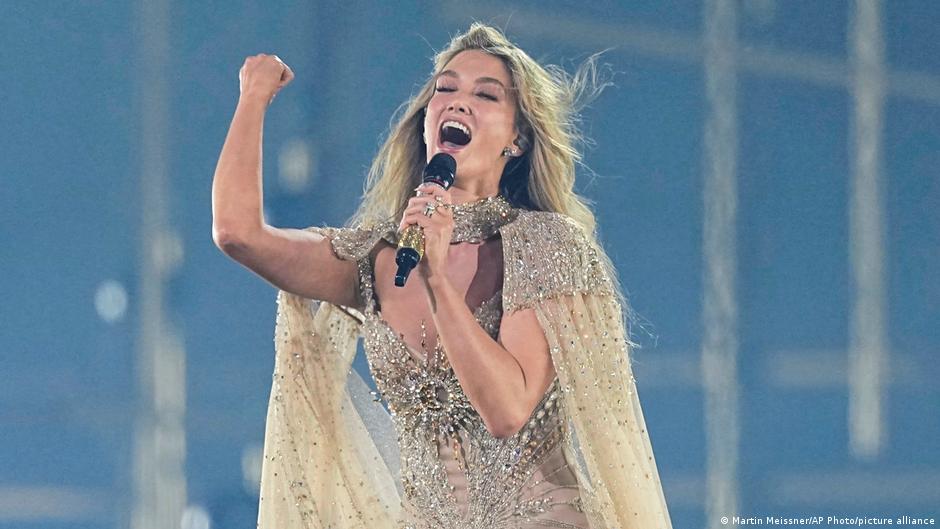
- Five countries boycott Eurovision 2026 over Israel's participation
- Spain, Ireland, Netherlands, Iceland and Slovenia withdraw in protest
- Contest features record-low 25 acts due to boycott
The Eurovision Song Contest final began in Vienna on Saturday, overshadowed by a boycott of five countries protesting Israel’s participation in the world’s biggest live music competition. Spain, Ireland, the Netherlands, Iceland and Slovenia pulled out, reducing the field to 25 acts—the smallest since 2003. Contest organizers had planned for 35 entries before the withdrawals. Television viewing figures are expected to fall below last year’s 162 million, reflecting the growing impact of geopolitical disputes on the annual event. Eurovision Song Contest is now in its 70th year but faces its most contentious edition since its inception in 1956. The boycott centers on Israel’s military offensive in Gaza, which began after the Hamas-led attack on October 7, 2023, that killed about 1,200 people in Israel and led to over 70,000 Palestinian deaths in Gaza, according to health officials in the territory. Spain’s Prime Minister Pedro Sánchez tweeted on Friday that the country would not attend but emphasized the decision was morally justified. ‘We will not be in Vienna, but we will do so with the conviction that we are on the right side of history,’ he wrote. The withdrawal of five traditional Eurovision participants marks the largest coordinated boycott in the contest’s history. Austria’s capital Vienna, hosting the event for the second time in three years, deployed extra police as pro-Palestinian and pro-Israel activists staged separate demonstrations outside the venue. The European Broadcasting Union (EBU), which organizes Eurovision, defended Israel’s inclusion, stating the contest is a non-political celebration of music. ‘Eurovision is about bringing people together through music,’ an EBU spokesperson said. ‘Political disputes have no place on our stage.’ The dispute has reignited long-standing debates over the contest’s neutrality and its ability to separate arts from international conflicts. Past editions have been marred by lesser controversies, but none have led to coordinated withdrawals of this scale. The 2026 edition features 25 acts from 35 eligible countries, including Australia, which participates as a non-European guest nation. The final will air live across 37 territories, though broadcasters in boycotting countries will not air the show. Social media platforms have seen a surge in hashtags like #BoycottEurovision and #EurovisionForPalestine, reflecting the polarizing nature of the decision. The contest’s traditional glitz and camp performances may struggle to overshadow the political tensions dominating headlines worldwide. With global audiences increasingly divided over the Israel-Gaza war, Eurovision organizers face a challenge in maintaining the event’s reputation as a unifying cultural spectacle. The outcome of this edition could influence future decisions on participant eligibility and the contest’s role in global politics.
What You Need to Know
- Source: Deutsche Welle
- Published: May 16, 2026 at 19:42 UTC
- Category: World
- Topics: #europe · #world-news · #eurovision · #final · #israel
Read the Full Story
This is a curated summary. For the complete article, original data, quotes and full analysis:
All reporting rights belong to the respective author(s) at Deutsche Welle. GlobalBR News summarizes publicly available content to help readers discover the most relevant global news.
Curated by GlobalBR News · May 16, 2026
Related Articles
- Zimbabwe’s diaspora reshapes real estate and farming investment trends
- 🎉 250 Articles in World!
- Eurovision 2024 faces scrutiny over Israel’s participation amid war
🇧🇷 Resumo em Português
A Eurovisão, o maior festival de música do mundo, entrou em crise antes mesmo de sua final começar. Cinco países anunciaram boicote à edição de 2026 em Viena devido à participação de Israel, intensificando tensões já elevadas pela guerra em Gaza e protestos globais. O evento, que costuma unir milhões de telespectadores, agora enfrenta divisões políticas que refletem conflitos geopolíticos, colocando em xeque a neutralidade artística do festival.
O Brasil, embora não seja participante habitual da Eurovisão, assiste ao episódio com atenção, pois o certame tem ganhado popularidade no país, especialmente entre fãs de música pop e LGBTQIA+. A decisão de países como Islândia, Dinamarca e Noruega de se retirarem do evento levanta questões sobre o papel da arte em meio a crises internacionais, algo que ressoa em um cenário global cada vez mais polarizado. Além disso, a discussão sobre censura ou liberdade artística ganha força em um momento em que eventos culturais são cada vez mais instrumentalizados por disputas políticas.
Com a final da Eurovisão 2026 se aproximando, o mundo espera para ver se mais países se juntarão ao boicote ou se o festival conseguirá manter sua tradição de unir nações por meio da música — ou se a política finalmente vai ditar o ritmo da competição.
🇪🇸 Resumen en Español
El Festival de Eurovisión 2026 arranca en Viena con polémica y ausencias notables, marcando un hito en la historia del certamen por la decisión de cinco países de boicotear la final debido al conflicto de Israel. La edición, que suele unir a millones bajo el espíritu de la música, se desarrolla bajo un clima de tensiones políticas y protestas, reflejando el peso de los conflictos geopolíticos en el evento más seguido de Europa.
La polémica surge tras la participación de Israel en el concurso, un tema que ha generado división entre los países participantes y sus audiencias. Para los hispanohablantes, este escenario no es ajeno: España, uno de los grandes referentes del certamen, se debate entre su tradición eurovisiva y las críticas por su postura ante el conflicto en Gaza, mientras otros países, como Islandia o Noruega, han optado por no competir. La relevancia del boicot trasciende lo musical, pues Eurovisión se ha convertido en un termómetro de las tensiones internacionales, dejando a los espectadores ante un dilema entre el entretenimiento y la conciencia social.
Deutsche Welle
Read full article at Deutsche Welle →This post is a curated summary. All rights belong to the original author(s) and Deutsche Welle.
Was this article helpful?

Discussion