Premier League lets Cunha’s goal stand after Mbeumo’s accidental handball, fueling frustration over inconsistent handball enforcement.
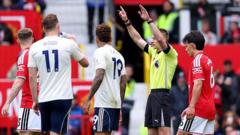
- Referee allowed goal despite Mbeumo's accidental handball
- Pundits argue rules are too vague and inconsistently applied
- Players and fans say handball decisions are unpredictable
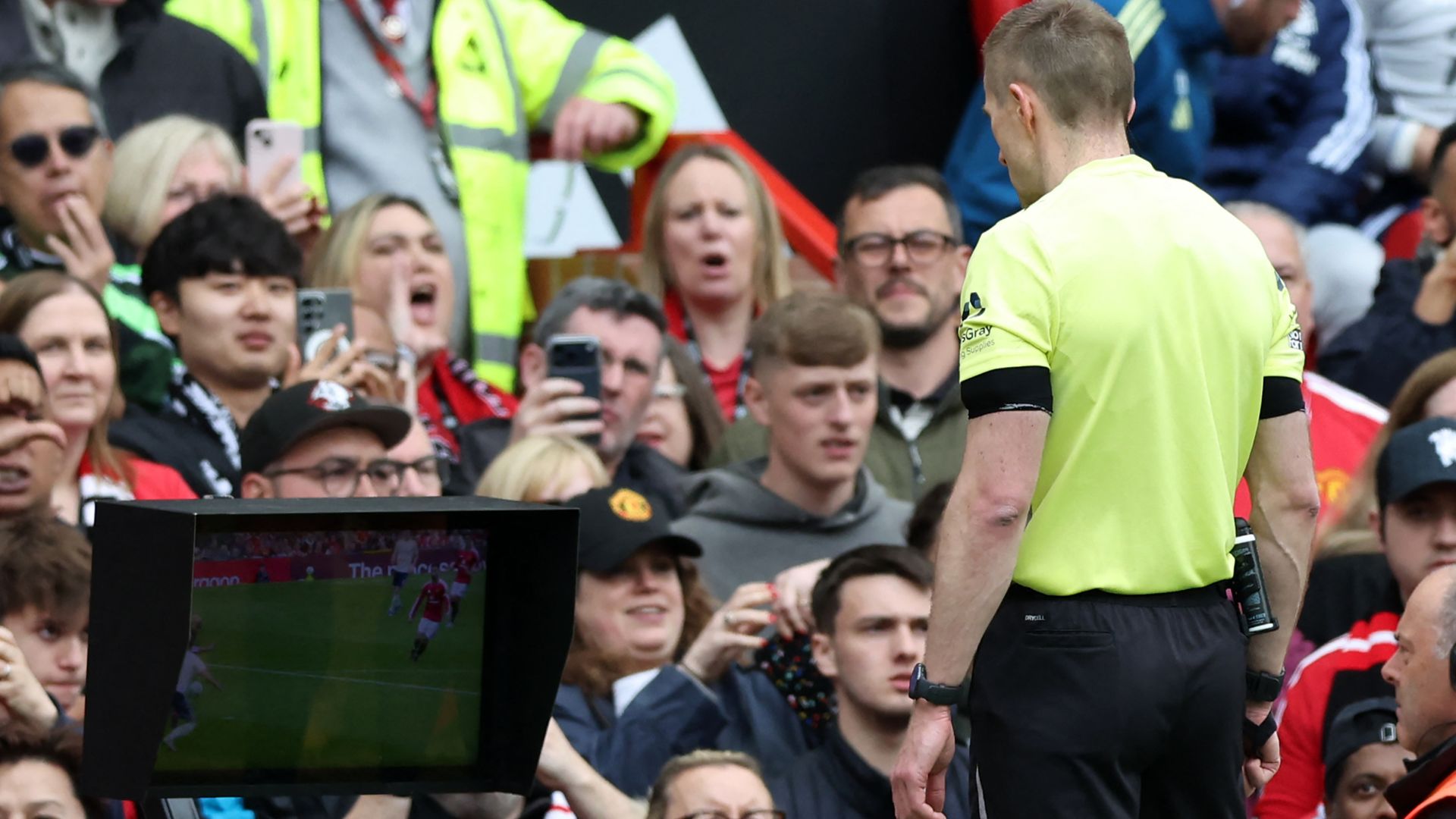
The Premier League’s handball rules struck again last weekend when referee Simon Hooper let Matheus Cunha’s 89th-minute winner stand in Wolves’ 2-1 win over Brentford. The goal came after Bryan Mbeumo’s arm accidentally hit the ball in the build-up. TV replays showed the ball deflected off Mbeumo’s upper arm, just below the shoulder. The assistant referee deemed it accidental, but the decision left everyone scratching their heads—again.
For the third time this season, a Premier League goal hinged on a controversial handball call. Brentford manager Thomas Frank called it “a mess.” Player reactions mirrored his frustration. Brentford’s Ollie Watkins said, “It’s just not clear what’s allowed anymore.” Even Wolves’ manager Gary O’Neil admitted, “It’s confusing for everyone.” The inconsistency isn’t just annoying—it’s affecting how teams defend and attack.
How the rule is supposed to work
The Premier League follows IFAB’s handball laws, which say accidental handball leading to a goal or big chance isn’t automatically penalized. But the law also says referees must judge intent and position. If the hand is “unnatural” or the player’s body is in an “unnatural position,” it’s a foul—even if it’s accidental. That’s where the confusion starts.
In Mbeumo’s case, his arm was by his side when the ball hit it. The ball also traveled a short distance after contact. Under IFAB’s guidelines, that should usually be fine. But in other recent games, similar incidents have been called against players. This season alone, we’ve seen Willian’s goal for Fulham disallowed for a handball in the buildup—even though replays suggested it was accidental. No wonder fans and players are confused.
The human cost of unclear rules
The frustration isn’t just about goals. It’s about how these calls change games—and careers. Brentford’s loss dropped them to 14th, while Wolves climbed to 10th. For Brentford, it was another setback in their push for a European spot. For Wolves, it was three points that kept them in the race for a top-half finish. Small margins matter in the Premier League.
Players feel the pressure too. Defenders now have to position their arms differently to avoid accidental contact. Midfielders worry about every touch. Even strikers are second-guessing their celebrations. Brentford’s Neal Maupay said, “You can’t play with this uncertainty. It’s not fair on us.” Referees, meanwhile, are caught in the middle. They’re expected to make split-second judgments with cameras scrutinizing every angle.
What’s next? Calls for change grow louder
The frustration is building outside the pitch too. Former referees like Howard Webb have said the rules need tightening. Pundits like Gary Neville argue for clearer guidelines—maybe even a review of the law itself. The Premier League’s head of refereeing has acknowledged the issue but insists the rules are consistent with IFAB’s laws.
Some suggest using more technology, like VAR’s semi-automated offside tool, to help referees judge handballs faster and more accurately. Others want the Premier League to push for stricter interpretations at the top level. But change won’t come easily. IFAB meets annually to review laws, and handball rules have been tweaked before—most recently in 2021. Still, the latest controversy shows the problem isn’t going away.
The bigger picture: how handball rules shape the game
Handball rules aren’t just about goals—they change how football is played. Teams now defend in awkward positions to avoid accidental handballs. Attackers hesitate before celebrating. Even fan enjoyment suffers when key moments hinge on unclear rules. The Premier League’s reputation for fast, attacking football is at risk if fans and players feel the game is being decided by inconsistent officiating.
The latest incident at Brentford’s stadium is just the latest example. Until the rules are clearer—or referees enforce them more uniformly—the handball mess will keep happening. And that’s bad for everyone involved.
What You Need to Know
- Source: BBC Sport
- Published: May 17, 2026 at 15:39 UTC
- Category: Sports
- Topics: #bbc · #sports · #football · #another · #matheus-cunha · #bryan-mbeumo
Read the Full Story
This is a curated summary. For the complete article, original data, quotes and full analysis:
All reporting rights belong to the respective author(s) at BBC Sport. GlobalBR News summarizes publicly available content to help readers discover the most relevant global news.
Curated by GlobalBR News · May 17, 2026
Related Articles
- Scottish Premiership chaos decides 2025-26 European spots
- Xabi Alonso named Chelsea manager after FA Cup loss
- Ronda Rousey ends 9.5-year MMA layoff in 17-second KO of Gina Carano
🇧🇷 Resumo em Português
A confusão no handebol da Premier League voltou a incendiar as discussões: será que é hora de mudar a regra? Mais uma vez, o futebol inglês mostrou que a interpretação do handebol continua sendo um labirinto, agora com a polêmica envolvendo o gol de Matheus Cunha, do Atlético de Madrid, que foi mantido mesmo após Bryan Mbeumo, do Brentford, ter tocado acidentalmente na bola com a mão.
O caso reacende um debate que há anos divide torcidas, jogadores e especialistas: a falta de clareza nas regras de handebol, especialmente em situações onde o toque é involuntário ou não intencional. Para o Brasil, país que já enfrentou polêmicas semelhantes em grandes torneios, como a Copa do Mundo, a discussão é ainda mais relevante, pois afeta diretamente a imagem do futebol nacional em competições internacionais. A IFAB, órgão que regulamenta as regras do futebol, já havia prometido revisões, mas a lentidão nas mudanças deixa espaço para novos erros de arbitragem, prejudicando times e jogadores.
A torcida brasileira e mundial segue com a pulga atrás da orelha: quando, afinal, o handebol terá uma definição justa e definitiva?
BBC Sport
Read full article at BBC Sport →This post is a curated summary. All rights belong to the original author(s) and BBC Sport.
Was this article helpful?


Discussion