COP30 still matters even without Trump and other leaders because 140+ nations are hashing out climate finance and carbon rules.
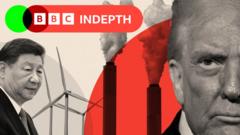
- Donald Trump is skipping COP30, along with leaders from Germany, France, and the UK
- Brazil hosts the summit with over 140 countries sending delegations
- The talks focus on climate finance, carbon markets, and stricter rules
The biggest climate summit of the year just kicked off in Belém, Brazil, but you won’t see Donald Trump there. Neither will Britain’s new prime minister or Germany’s chancellor. Their absences are hard to miss, and they raise a simple question: if the most powerful leaders skip COP30, does it even matter anymore? The short answer is yes, but not for the reasons you might think. These summits still move the needle because the people who show up—ministers, negotiators, scientists, and activists—come to make deals that actually change how countries curb emissions and fund green energy. In private rooms and late-night sessions, they hammer out rules that shape global climate policy for years, even when presidents and prime ministers stay home. The public grandstanding isn’t the point. The deals made behind closed doors are.
The money problem is still the biggest fight
Brazil, as the host, wants to make climate finance the headline. The country’s president, Luiz Inácio Lula da Silva Lula, has been pushing hard for wealthy nations to cough up $100 billion a year they promised back in 2009. So far, they’ve fallen short. At COP30, Lula’s team is pushing for a new system where rich countries pay up by 2025 or face penalties. It’s a tough sell. The US, which owes the most, hasn’t committed to a clear plan. Meanwhile, poorer nations like Bangladesh and Kenya are sending teams to demand action, not empty promises. The tension isn’t just about cash—it’s about trust. If the countries that polluted the most for decades won’t pay to clean up the mess, why should developing nations believe anyone will help them when their cities flood or their farms dry up?
Carbon markets are getting a makeover
Another major battle is over Article 6 of the Paris Agreement, which lets countries trade carbon credits. Right now, the rules are a mess. Some credits are fake, others are double-counted, and a few schemes have been outright scams. At COP30, negotiators are trying to fix this by setting stricter standards. The goal is to ensure that if a country buys a credit to offset its emissions, that credit actually represents real cuts somewhere else. Brazil, with its vast Amazon forests, has a huge advantage here. It wants to sell credits based on stopping deforestation, but critics say the math is fuzzy. Still, if the talks succeed, carbon markets could finally become a tool that actually lowers emissions instead of greenwashing corporate pollution.
The talks aren’t just about rules—they’re about who gets to set them. Big polluters like the US and China often block progress, but this year’s host, Brazil, is playing a different game. Lula wants to position his country as the voice of the Global South, the nations most vulnerable to climate change but least responsible for causing it. His team is pushing for language that forces wealthy countries to recognize “loss and damage” payments—compensation for damage already done by storms, droughts, and rising seas. It’s a battle over guilt and responsibility, and the outcome could shape climate aid for decades.
What happens next?
COP30 ends on November 22, but the real work starts after the banners come down. Even if the final deal is weak, the pressure won’t go away. Activists will keep protesting. Scientists will keep publishing damning reports. Courts will keep forcing governments to act. The next big test is COP31, which will be held in Azerbaijan next year—a country that makes billions from oil. If even that summit fails to produce real progress, the world’s patience with these talks will wear thin. But for now, the delegates in Belém are still talking. And in climate politics, that’s often enough to keep hope alive.
What You Need to Know
- Source: BBC News
- Published: May 17, 2026 at 16:21 UTC
- Category: Environment
- Topics: #bbc · #environment · #climate · #politics · #government · #trump
Read the Full Story
This is a curated summary. For the complete article, original data, quotes and full analysis:
All reporting rights belong to the respective author(s) at BBC News. GlobalBR News summarizes publicly available content to help readers discover the most relevant global news.
Curated by GlobalBR News · May 17, 2026
Related Articles
🇧🇷 Resumo em Português
O Brasil, que abriga a COP30 em Belém, enfrenta um paradoxo global: enquanto o mundo debate a crise climática, as maiores potências, incluindo os Estados Unidos, ignoram o evento. A ausência de líderes como Donald Trump e outros chefes de Estado não apagou o peso da conferência, mas expôs uma crise de confiança nas negociações internacionais sobre o clima, especialmente quando a emergência ambiental nunca foi tão urgente.
A COP30, sediada na Amazônia, é simbólica para o Brasil e para os países de língua portuguesa, já que a floresta é um dos pulmões do planeta e abriga milhões de espécies e comunidades tradicionais. A participação de nações como Alemanha e França, que levaram promessas concretas de financiamento, é crucial para reafirmar o compromisso global, enquanto o Brasil tenta equilibrar desenvolvimento econômico e proteção ambiental. Para os 270 milhões de lusófonos, o evento representa uma chance de influenciar políticas que afetam diretamente seus territórios, da Amazônia à África litorânea.
A conferência agora precisa mostrar resultados tangíveis, ou o risco é que a próxima COP se torne mais um fórum vazio de discurso.
BBC News
Read full article at BBC News →This post is a curated summary. All rights belong to the original author(s) and BBC News.
Was this article helpful?

Discussion