U.S. and Iran restart talks with Pakistan mediation as Trump blocks Iranian ports and Israel escalates strikes on Lebanon.
- U.S. and Iran restart talks after first round in Islamabad collapsed
- Pakistani mediators report progress but major gaps remain
- Trump imposes blockade on Iranian ports
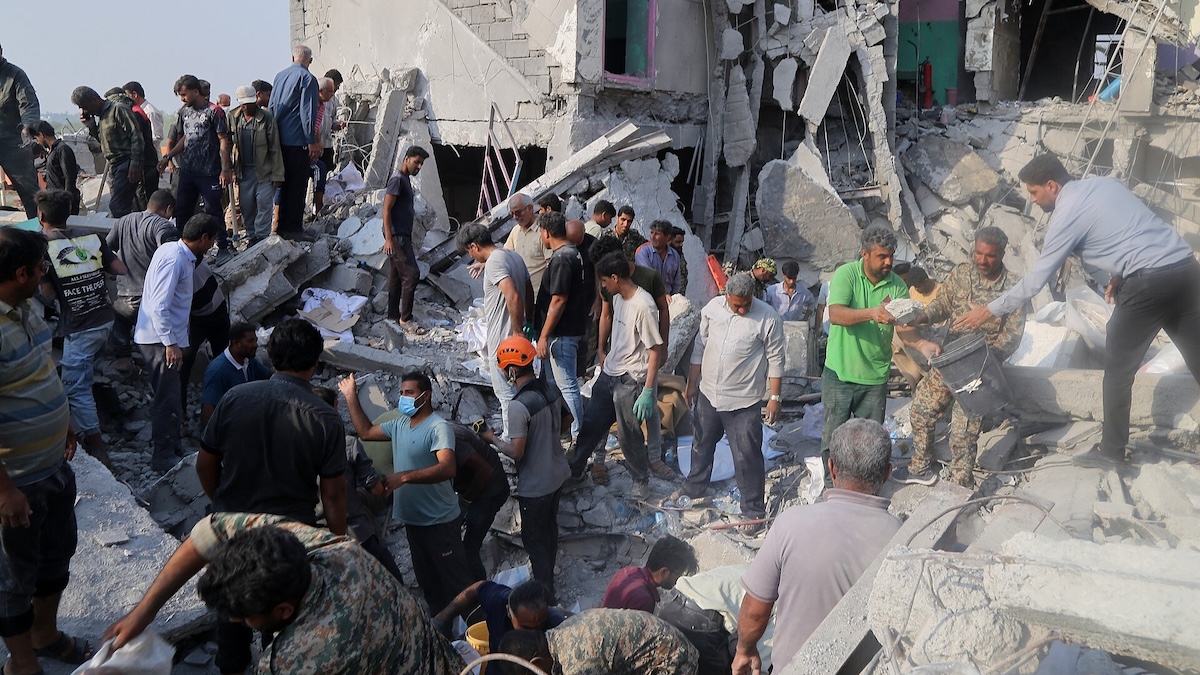
After their first round of talks in Islamabad ended without an agreement, the U.S. and Iran are set to resume negotiations within days, with Pakistan acting as the mediator. According to sources familiar with the discussions, negotiators have made some progress toward a framework deal, but significant differences still separate the two sides. A final agreement is far from guaranteed, and the fragile ceasefire between the U.S. and Iran remains under serious strain. The next round of talks could determine whether the current lull in hostilities holds or if tensions spiral back into open conflict. The stakes couldn’t be higher: a misstep could derail months of quiet diplomacy and reignite a conflict that’s already reshaped the Middle East’s power balance. Diplomats describe the negotiations as a high-wire act—one wrong move could plunge the region back into chaos. Pakistan has positioned itself as a critical broker, leveraging its ties with both Washington and Tehran to keep the process alive. But the clock is ticking. The longer talks drag on, the harder it becomes to maintain the facade of restraint on both sides. The U.S. insists Iran must halt its proxy attacks in the region, while Iran demands sanctions relief and guarantees against regime change. Neither side appears willing to blink first. ## Trump tightens the screws with a port blockade President Donald Trump took a hardline step this week by imposing a full blockade on Iranian ports, cutting off a key lifeline for Tehran’s economy. The move effectively chokes off Iran’s ability to export oil and import critical goods, deepening the economic pressure already crushing the country under years of sanctions. The blockade isn’t just symbolic—it’s a direct escalation that could provoke a military response from Iran’s Revolutionary Guard. Analysts warn that such a blockade risks turning a slow-burning crisis into an immediate flashpoint. Iran has already threatened retaliation, raising fears of a new round of tit-for-tat strikes that could spiral out of control. The blockade also complicates the already fragile talks, as Iran’s negotiators are now operating under even tighter constraints. The message from Washington is clear: the U.S. is willing to squeeze Iran into submission rather than negotiate from a position of strength. But history suggests that maximum pressure rarely achieves its stated goals without unintended consequences. ## Israel escalates its campaign in southern Lebanon While the U.S. and Iran grapple with talks, Israel has intensified its military operations in southern Lebanon, focusing on the border town of Bint Jbeil. Israeli forces have launched repeated airstrikes and ground raids, targeting Hezbollah positions and infrastructure. The assault comes as Israel simultaneously engages in indirect talks with Lebanon in Washington, seeking to address the escalating border violence through diplomacy. The contradiction couldn’t be starker: one hand, Israel is talking; the other hand, it’s bombing. The dual approach reflects Israel’s strategy of applying military pressure while leaving the door open for negotiations—a tactic critics argue only fuels more instability. Hezbollah, Iran’s most powerful proxy in the region, has vowed to retaliate, raising the specter of a wider conflict that could draw in both Lebanon and Iran. The situation in Bint Jbeil mirrors the broader regional puzzle: each side is calculating how far it can push without triggering a full-blown war. ## The fragile ceasefire hangs by a thread The two-week ceasefire between the U.S. and Iran, tenuous as it was, now faces its biggest test. Neither side has formally acknowledged the truce, but both have largely avoided direct military confrontations since it took effect. That restraint, however, is wearing thin. Iran’s proxies in Yemen, Iraq, and Syria continue to launch attacks against U.S. and allied forces, while the U.S. has carried out sporadic strikes in response. Israel’s offensive in Lebanon only adds to the volatility, with Hezbollah and its allies signaling they won’t tolerate unchecked Israeli aggression. The risk of miscalculation is higher than ever. A single errant strike or miscommunicated order could shatter the fragile calm. Diplomats are privately warning that the window for a negotiated settlement is closing fast. If the talks fail, the region could lurch toward a broader conflict that draws in multiple actors—and there’s no guarantee any of them would emerge victorious. ## What happens next The coming days will be decisive. U.S. and Iranian negotiators are under intense pressure to bridge their differences before hardliners on both sides derail the process. Pakistan’s role as mediator is critical, but its leverage is limited. Meanwhile, Trump’s blockade and Israel’s military actions are narrowing the space for diplomacy. The next few weeks could determine whether the region slides into another devastating war or finds a way to step back from the brink. One thing is clear: the status quo isn’t sustainable. The longer the stalemate lasts, the more likely it becomes that someone makes a move that can’t be undone.
What You Need to Know
- Source: War on the Rocks
- Published: April 16, 2026 at 07:30 UTC
- Category: War
- Topics: #defense · #military · #geopolitics · #war · #conflict · #fragile-ceasefire
Read the Full Story
This is a curated summary. For the complete article, original data, quotes and full analysis:
All reporting rights belong to the respective author(s) at War on the Rocks. GlobalBR News summarizes publicly available content to help readers discover the most relevant global news.
Curated by GlobalBR News · April 16, 2026
Related Articles
- Wembanyama’s Spurs reach Western finals, Pistons stay alive in NBA playoffs
- 🎉 250 Articles in War!
- 🎉 100 Articles in War!
🇧🇷 Resumo em Português
O Irã e os Estados Unidos reabriram negociações com a mediação do Paquistão após o colapso da primeira rodada de conversas, em um cenário de crescente tensão no Oriente Médio. Enquanto isso, o ex-presidente Donald Trump impôs um bloqueio naval aos portos iranianos, e Israel intensificou seus ataques contra o Hezbollah no Líbano, agravando o risco de uma escalada regional. A trégua frágil entre Teerã e Washington, já ameaçada por meses de hostilidades indiretas, agora pende por um fio, com implicações globais que atingem até mesmo a América Latina.
Para o Brasil e os países lusófonos, esse impasse representa mais do que um conflito distante: a interrupção no fornecimento de petróleo do Irã pode encarecer ainda mais os combustíveis, já pressionados pela guerra na Ucrânia e pela instabilidade no Mar Vermelho. Além disso, a presença de grupos armados no Líbano, aliados ao Irã, e a postura agressiva de Israel reacendem debates sobre segurança marítima, especialmente para a comunidade brasileira no exterior e para o comércio via Canal de Suez. A crise também expõe a fragilidade das rotas alternativas de energia, forçando o governo brasileiro a repensar estratégias de estoque estratégico em caso de escassez.
Se as negociações não avançarem, a região pode mergulhar em um confronto aberto, com consequências diretas para a economia global — e o Brasil, como potência emergente, não estará imune ao impacto.
🇪🇸 Resumen en Español
Un frágil alto el fuego con Irán se tambalea ante la tensión regional mientras Washington y Teherán reanudan negociaciones bajo mediación pakistaní, en un tablero donde Trump aprieta el bloqueo comercial y Israel intensifica sus bombardeos en Líbano. La escalada no solo amenaza con redefinir las fronteras de la influencia en Oriente Medio, sino que expone la fragilidad de los acuerdos diplomáticos en una zona donde la guerra fría entre potencias se libra con proxys y sanciones.
El conflicto trasciende lo geopolítico al afectar directamente a Europa, especialmente a España y la UE, dependientes del petróleo iraní y del comercio marítimo por el Estrecho de Ormuz. La estrategia de Trump de estrangular la economía iraní mediante el bloqueo de puertos choca con los intereses europeos, que buscan evitar un colapso regional que desate una crisis migratoria y energética. Mientras Israel profundiza su ofensiva en Líbano —con el riesgo de arrastrar a Hezbolá y a sus aliados—, la comunidad internacional observa cómo la diplomacia pakistaní, tradicionalmente neutral, se convierte en el último recurso para evitar una conflagración de consecuencias impredecibles para el Mediterráneo y el mundo árabe.
War on the Rocks
Read full article at War on the Rocks →This post is a curated summary. All rights belong to the original author(s) and War on the Rocks.
Was this article helpful?

Discussion