USAF launches 2027 study to explore B-52 successor amid fleet's planned 2050 retirement.
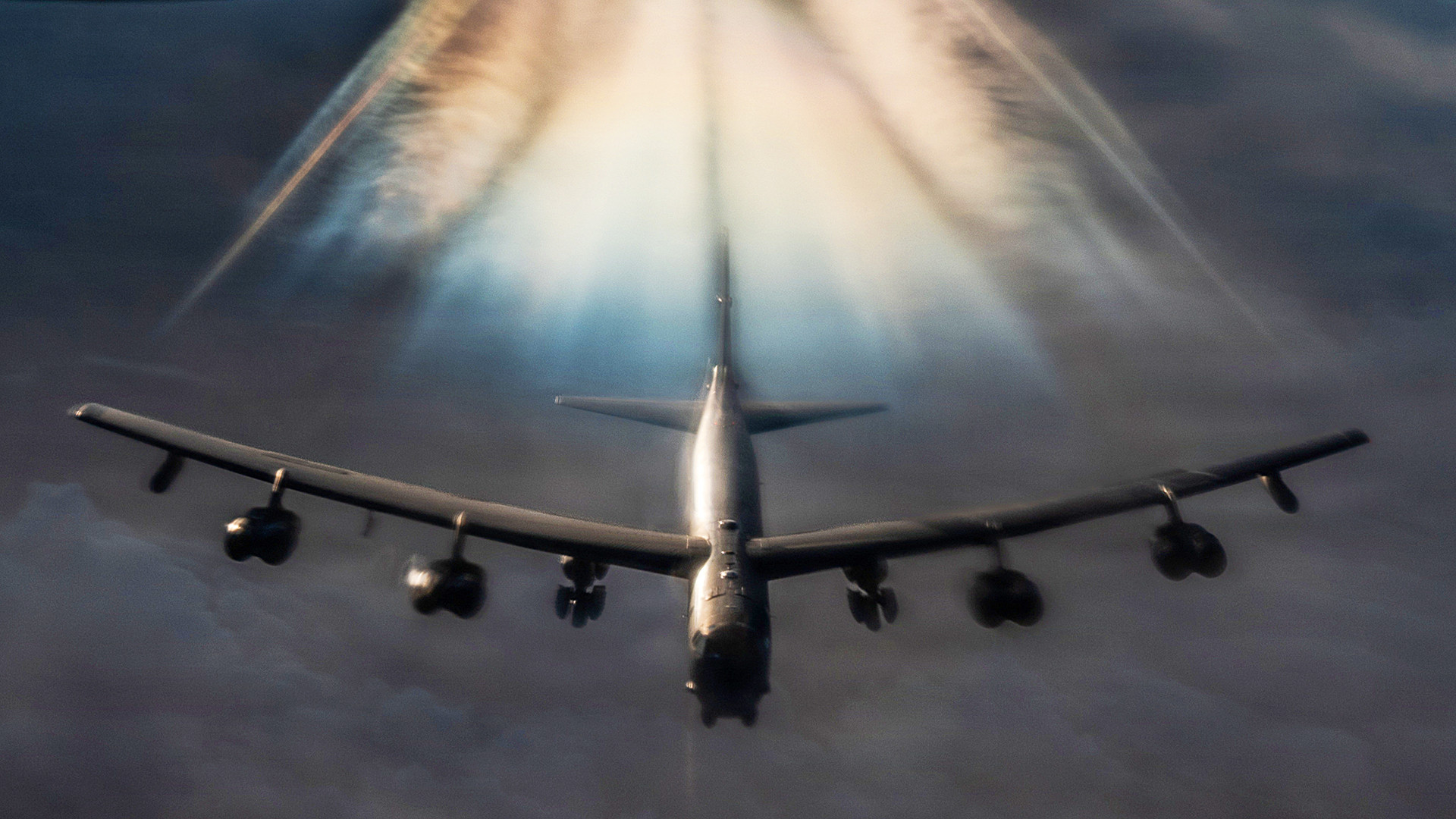
- USAF seeks $1M for 2027 bomber replacement study
- B-52 fleet expected to fly until at least 2050
- Analysis will assess long-range strike requirements
The U.S. Air Force Air Force has taken a formal step toward exploring a potential replacement for its legendary B-52 Stratofortress bomber fleet. The service included a $1 million request in its 2027 fiscal year budget proposal to conduct a New Heavy Bomber Analysis of Alternatives (AoA). This review will evaluate current and future long-range strike needs while examining possible alternatives to the B-52, which entered service in 1955 and remains a cornerstone of U.S. airpower despite its age.
The AoA process represents a critical early phase in weapons system development, allowing the military to systematically assess requirements before committing to specific programs. The Air Force has used similar analyses for decades across various platforms, but this bomber study arrives as the B-52 approaches what was once considered an impossible service life. The youngest B-52s, delivered in 1962, will be 88 years old in 2050 when the fleet is currently scheduled to remain operational. While upgrades have extended the bomber’s capabilities, the service appears to be preparing for a potential successor that could leverage emerging technologies.
B-52 remains operational despite aging airframe
The B-52’s continued presence in the U.S. arsenal defies typical aircraft service expectations, but the Air Force has invested heavily in modernization programs. The fleet received new Rolls-Royce F130 engines, advanced radar systems, and precision-guided munitions upgrades that have kept the platform relevant in modern conflicts. These improvements have allowed the B-52 to serve in roles beyond its original nuclear mission, including precision strikes and expeditionary operations.
However, the bomber’s design dates to the early Cold War era, raising questions about its ability to penetrate increasingly sophisticated air defense systems in potential future conflicts. The AoA will examine whether a new platform could provide better survivability, range, and payload capacity while meeting the Air Force’s evolving strategic requirements. The study may also consider whether to develop a single, high-end replacement or a family of systems tailored to different mission sets.
Analysis could shape future bomber programs
The outcome of this analysis could influence multiple ongoing and planned Air Force programs. The service has already been developing the B-21 Raider Northrop Grumman B-21, a stealth bomber designed to succeed the B-2 Spirit and complement rather than fully replace the B-52. The AoA may determine whether the B-21 should become the primary long-range strike platform or if the Air Force requires a different type of capability for certain missions.
Industry observers note that the Pentagon’s recent focus on great power competition with China and Russia has intensified the need for versatile, long-range strike platforms. A new bomber could incorporate stealth, hypersonic weapons delivery, and autonomous systems that weren’t available when the B-52 entered service. The Air Force’s request suggests it may be moving toward a decision point on whether to begin development of a sixth-generation bomber or extend the B-52’s service life even further with additional upgrades.
Budget request signals early-stage planning
The $1 million request represents a small but significant investment in the Air Force’s future bomber strategy. AoAs typically take 12-18 months to complete and provide the analytical foundation for major acquisition decisions. This particular study will likely involve input from Air Force headquarters, major commands, and defense industry experts to evaluate technical, operational, and financial factors.
Congressional approval of the 2027 budget will determine whether the study proceeds as planned. If funded, the AoA could set the stage for a formal acquisition program in the early 2030s, with potential fielding of a new bomber by the 2040s. The timeline aligns with the Air Force’s stated goal of maintaining at least 141 operational bombers through mid-century, ensuring that the service can project power globally while managing the transition from legacy to next-generation systems.
The Air Force’s move comes as it balances multiple competing priorities, including nuclear modernization, space systems, and unmanned aerial systems development. While the B-52 has proven its worth through decades of service, the service appears to be taking prudent steps to ensure the U.S. maintains its advantage in long-range strike capabilities against near-peer adversaries who continue to develop advanced air defenses.
What You Need to Know
- Source: The Drive
- Published: May 07, 2026 at 23:59 UTC
- Category: War
- Topics: #military · #weapons · #conflict · #war · #going · #with
Read the Full Story
This is a curated summary. For the complete article, original data, quotes and full analysis:
All reporting rights belong to the respective author(s) at The Drive. GlobalBR News summarizes publicly available content to help readers discover the most relevant global news.
Curated by GlobalBR News · May 07, 2026
Related Articles
🇧🇷 Resumo em Português
O Pentágono acelera o relógio para aposentar a lendária “velha senhora” do céu, a aeronave B-52 Stratofortress, que já ostenta mais de sete décadas de serviço ativo. Em um movimento estratégico que pode redefinir o poder aéreo global, a Força Aérea dos Estados Unidos (USAF) anunciou um estudo avaliado em US$ 1 milhão para 2027, com o objetivo de definir o sucessor do bombardeiro mais icônico — mas também um dos mais envelhecidos — do planeta.
O anúncio não é mera rotina administrativa: ele sinaliza uma corrida contra o tempo para modernizar a capacidade de ataque de longo alcance dos EUA diante de ameaças crescentes, como China e Rússia, que já testam defesas antiaéreas cada vez mais sofisticadas. Para o Brasil, embora não seja o foco imediato, a decisão pode influenciar a dinâmica de poder no Atlântico Sul, especialmente se Washington priorizar parcerias com aliados estratégicos na região. Afinal, a renovação da frota de bombardeiros não afeta apenas Washington, mas também a postura de defesa dos países que dependem de um equilíbrio de forças estável — e transparente.
Até 2027, o mundo terá um vislumbre do futuro do poder aéreo, enquanto o B-52, que já sobreviveu a sete guerras, enfrenta sua aposentadoria silenciosa — mas nem por isso menos inevitável.
🇪🇸 Resumen en Español
La Fuerza Aérea de Estados Unidos avanza en la búsqueda de un sustituto para el icónico B-52, un bombardero que lleva décadas dominando los cielos y cuya obsolescencia se hace cada vez más evidente.
El estudio, previsto para 2027 con un presupuesto de un millón de dólares, no solo evaluará opciones tecnológicas, sino que también podría redefinir la estrategia global de disuasión de Washington. Para España y Europa, este proceso es clave: la modernización de la flota de bombarderos estratégicos estadounidenses afecta directamente el equilibrio de poder en el Atlántico y el flanco oriental de la OTAN. Además, abre interrogantes sobre el futuro de los sistemas de defensa antiaéreos rusos, que durante años han visto en el B-52 un blanco prioritario. La decisión final podría alterar las dinámicas geopolíticas en una región donde la estabilidad sigue siendo frágil.
The Drive
Read full article at The Drive →This post is a curated summary. All rights belong to the original author(s) and The Drive.
Was this article helpful?


Discussion