Andy Burnham calls for Labour to renationalise energy and water if he becomes UK prime minister.
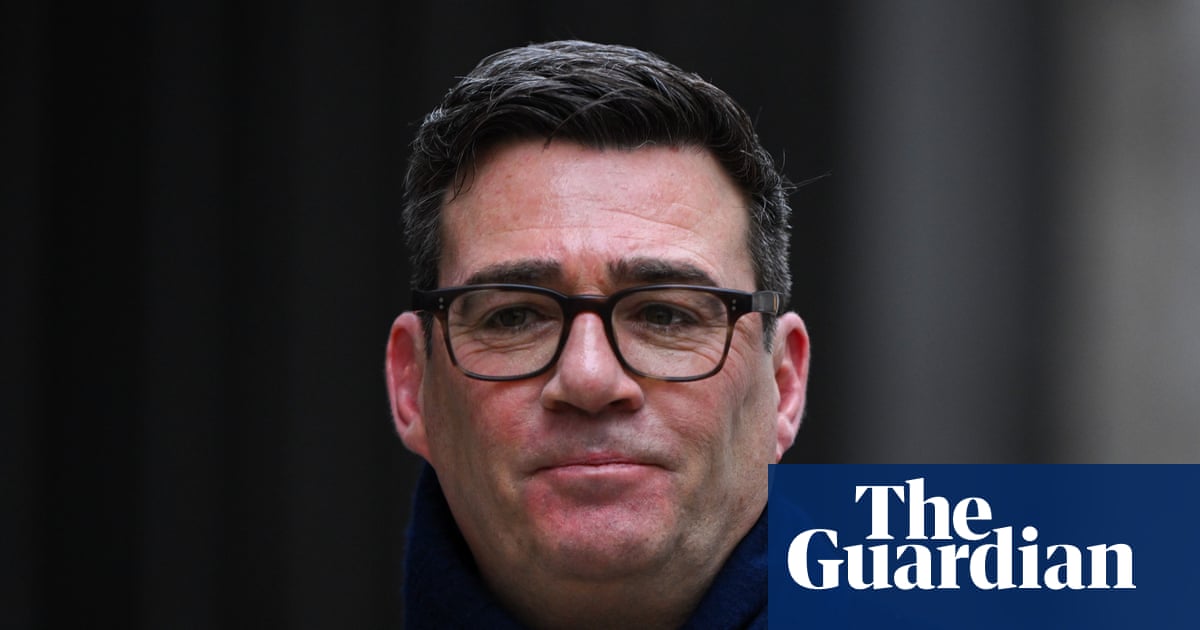
- Andy Burnham floats mass renationalisation as Labour policy
- Greater Manchester mayor challenges Keir Starmer for leadership
- Energy and water firms could return to public control under Labour
Greater Manchester mayor Andy Burnham has outlined a plan to bring energy and water companies back under public control if he replaces Keir Starmer as prime minister. The proposal signals a sharp shift in Labour’s economic policy and places Burnham at odds with Starmer’s more centrist approach. Burnham, a former Labour cabinet minister, is positioning himself as the standard-bearer for the party’s soft-left faction ahead of a potential leadership challenge.
Burnham made the remarks as he campaigns to win a Westminster seat in the upcoming Makerfield byelection, a contest widely seen as a stepping stone to a potential leadership bid. Labour sources confirm Burnham is the preferred candidate among the party’s left-wing MPs, who have grown frustrated with Starmer’s refusal to commit to major renationalisation programmes. The energy and water sectors, privatised in the 1980s and 1990s, remain dominated by a handful of multinational corporations, prompting calls from unions and campaign groups for public ownership.
Burnham’s renationalisation plan targets key utilities
Burnham’s proposal would see the government take majority stakes in major energy and water firms, restoring public control over pricing, investment and service standards. The plan includes compensation for shareholders, though Burnham has not specified details of the valuation process. Critics argue the move could deter private investment and increase costs for taxpayers, while supporters counter that it would reduce household bills and improve infrastructure reliability.
The Greater Manchester Combined Authority, led by Burnham, has already taken steps toward public ownership by bringing bus services under local control. This has been cited as evidence of Burnham’s commitment to reversing privatisation where it has failed to deliver affordable and reliable services. The energy and water sectors have faced repeated criticism over high prices, poor service and executive pay, fueling public appetite for change.
Labour’s internal debate intensifies ahead of potential leadership contest
Burnham’s comments come as Labour MPs privately discuss the possibility of a leadership challenge if Starmer fails to secure a convincing general election victory. The party’s left wing has long advocated for the renationalisation of key utilities, a policy Starmer has avoided endorsing despite pressure from unions. Burnham’s intervention raises the stakes in the ongoing debate over Labour’s economic direction, with implications for the party’s appeal to working-class voters and its relationship with the business community.
Senior Labour figures have downplayed the likelihood of a leadership contest before the next election, but Burnham’s growing profile and the soft-left’s frustration with Starmer’s caution suggest tensions are rising. The Makerfield byelection, triggered by the resignation of Labour MP Yvonne Fovargue, is seen as a bellwether for the party’s internal dynamics. Burnham’s potential candidacy could reshape Labour’s policy platform ahead of the next general election.
If Burnham wins the Makerfield seat, he will be well-positioned to challenge Starmer’s leadership, with a focus on policies that resonate with the party’s traditional voter base. His renationalisation proposal could galvanise support among Labour members and activists, but it also risks alienating centrist voters and business leaders. The coming months will reveal whether Burnham’s strategy can unify the party or deepen its divisions.
What You Need to Know
- Source: The Guardian
- Published: May 16, 2026 at 15:48 UTC
- Category: Politics
- Topics: #guardian · #politics · #election · #andy-burnham · #labour
Read the Full Story
This is a curated summary. For the complete article, original data, quotes and full analysis:
All reporting rights belong to the respective author(s) at The Guardian. GlobalBR News summarizes publicly available content to help readers discover the most relevant global news.
Curated by GlobalBR News · May 16, 2026
Related Articles
- Starmer’s leadership under pressure as Labour MPs question authority
- UK Labour’s Wes Streeting confirms leadership bid if race starts
🇧🇷 Resumo em Português
O Reino Unido pode viver uma guinada radical na política econômica se Andy Burnham chegar ao poder, com o prefeito de Manchester propondo a renacionalização em massa de setores estratégicos como energia e água. Em um movimento que reacende o debate sobre o papel do Estado na economia, Burnham, uma das principais lideranças do Partido Trabalhista, sugere abandonar o rumo moderado de Keir Starmer em favor de um modelo mais intervencionista, caso assuma o posto de primeiro-ministro.
A proposta de Burnham ganha força em um momento em que o Brasil e outros países de língua portuguesa debatem os limites da privatização e a necessidade de garantir serviços públicos acessíveis, especialmente após crises como a do apagão elétrico e a escassez hídrica. No Reino Unido, a discussão sobre renacionalização não é nova, mas volta à tona com força após anos de descontentamento popular com os altos custos de energia e água, que afetam diretamente o bolso das famílias. Para o Brasil, acostumado a oscilar entre privatizações e recuos estratégicos, o debate britânico serve como um espelho: até que ponto o Estado deve garantir direitos básicos em setores privatizados?
Se o Partido Trabalhista abraçar a ideia, o cenário político europeu pode se transformar, com reflexos globais, inclusive no modo como nações como o Brasil encararem suas próprias políticas de infraestrutura.
🇪🇸 Resumen en Español
El alcalde de Greater Manchester, Andy Burnham, sacudió el tablero político británico al insinuar que, de llegar al poder, impulsaría la renacionalización masiva de los sectores energético y del agua en Reino Unido, desafiando así la línea oficial de su partido. Su propuesta no solo reabre un debate histórico sobre el papel del Estado en la economía, sino que también marca una clara distancia con la moderación económica defendida hasta ahora por Keir Starmer.
En un contexto de crisis de precios y creciente descontento social por los altos costes de servicios básicos, Burnham apuesta por un modelo intervencionista que recuperaría el control público de industrias clave, tradicionalmente privatizadas en las décadas de los 80 y 90. Para los hispanohablantes, la iniciativa recuerda a los modelos de gestión pública que aún perduran en países como España, donde empresas como Endesa o Repsol mantienen un pie en el sector público, lo que podría servir de referencia —o de advertencia— sobre los límites y beneficios de tal estrategia. La propuesta, además, llega en un momento en que la izquierda europea debate cómo equilibrar la sostenibilidad económica con la justicia social, convirtiendo a Burnham en un actor inesperado en esta disputa ideológica.
The Guardian
Read full article at The Guardian →This post is a curated summary. All rights belong to the original author(s) and The Guardian.
Was this article helpful?



Discussion