British man completes 56-year-old Panini 1970 World Cup sticker album after spending £150 on the final missing sticker.
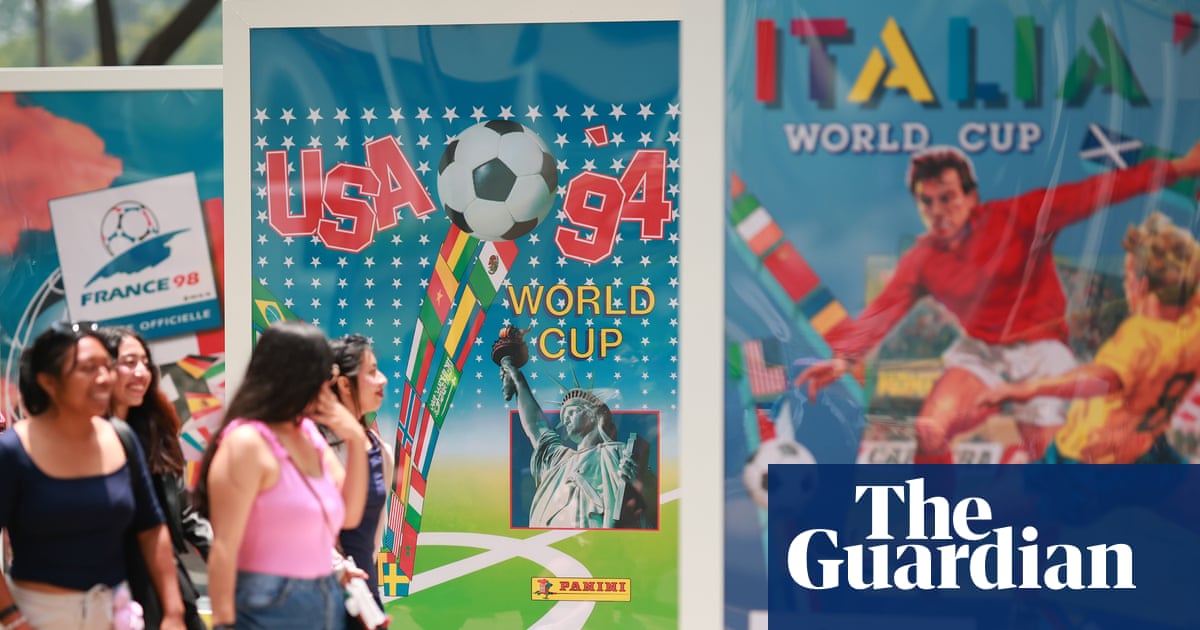
- Stephen Butler found his 1970 Panini World Cup sticker book in a loft after 56 years
- The Chile sticker was the only missing piece to complete the album
- Butler paid £150 for the final sticker and has no plans to sell the collection
Stephen Butler has been waiting 56 years to finish this sticker book. It all started in 1969 when he was a schoolboy in England. That year, Panini released its first World Cup sticker album for the 1970 tournament in Mexico. Butler saved his pocket money, traded stickers with friends, and filled most of the spaces. The Chile team sheet stayed empty. For decades, he forgot about it—until five years ago when he was moving house and found the box in his loft. Inside was the nearly complete album, the Chile sticker still missing but the rest intact, including stickers of legends like Pelé and Gordon Banks. Butler, now in his late 60s, decided to finish what he started. He searched online and found a seller offering the Chile sticker for £150. It took a week to arrive. He slipped it into the album, closed the book, and finally had the full set. “It’s not about money,” he said. “It’s about finishing something I started when I was a kid.” The album’s value has skyrocketed since 1970. A complete set today sells for thousands on collector sites. Butler isn’t interested. He plans to keep it in the family, maybe pass it to his grandson someday. The 1970 World Cup was the ninth edition of the tournament, held in six cities across Mexico. Brazil won their third title, beating Italy 4-1 in the final in Mexico City. The tournament introduced yellow cards and red cards for the first time. For Panini, it was the first major football sticker album, launching a tradition that continues today. The company has since sold hundreds of millions of stickers across dozens of tournaments. Butler’s album cost 5p per sticker in 1969. A pack now sells for around £1 in the UK. The inflation is steep, but the nostalgia is priceless. Collectors still chase the 1970 set for its simplicity and history. Some stickers are rarer than others. The Brazil squad sheet is easier to find than the one for Israel, which only played in one World Cup before 1970. The Chile sheet was rare because the team failed to qualify for the 1966 and 1970 tournaments, so fewer were printed. Butler’s completion adds a personal chapter to a piece of sports memorabilia history. It’s a reminder that some things—like childhood dreams—are worth more than their price tag.
What You Need to Know
- Source: The Guardian
- Published: May 17, 2026 at 06:00 UTC
- Category: World
- Topics: #guardian · #world-news · #international · #sports · #football · #world-cup
Read the Full Story
This is a curated summary. For the complete article, original data, quotes and full analysis:
All reporting rights belong to the respective author(s) at The Guardian. GlobalBR News summarizes publicly available content to help readers discover the most relevant global news.
Curated by GlobalBR News · May 17, 2026
Related Articles
- 🎉 250 Articles in World!
- WHO declares Ebola emergency as Congo outbreak spreads to Uganda
- WHO declares Ebola outbreak in DR Congo a global emergency
🇧🇷 Resumo em Português
Um britânico de 72 anos realizou um sonho de infância ao completar, após 56 anos de espera, o álbum de figurinhas da Copa do Mundo de 1970 da Panini — um marco emocionante que revive memórias do maior torneio de futebol já realizado. Gary Parsons, que comprou o primeiro envelope de figurinhas ainda menino em 1968, finalmente fechou o álbum graças ao último adesivo ausente, o número 525 do jogador soviético Anzor Kavazashvili, adquirido por £150 em um lance no eBay.
A história tocante ressoa especialmente no Brasil, país que sediou aquele Mundial histórico e faturou o terceiro título mundial de sua seleção, consolidando Pelé como lenda eterna. A Panini, marca italiana que se tornou sinônimo de álbuns de figurinhas esportivas no mundo todo, lançou sua primeira coleção justamente para a Copa de 1970, transformando a paixão pelo futebol em um ritual coletivo que atravessou gerações. No Brasil, onde o álbum da Copa é quase um patrimônio cultural, muitos ainda guardam caixas com figurinhas repetidas ou trocas frustradas em busca daquelas que faltavam — um ciclo que só terminou agora para Parsons, mas que continua vivo para milhões de colecionadores.
A conclusão do álbum por Gary Parsons serve como um lembrete de que, por trás das figurinhas, há décadas de história, amizades e até mesmo negócios improváveis, como o mercado paralelo de trocas e vendas que movimenta milhões anualmente.
🇪🇸 Resumen en Español
Un coleccionista británico ha cerrado un capítulo de su vida tras medio siglo de espera, al completar el álbum de cromos de la Copa del Mundo de 1970, un objeto de culto que muchos recordarán con nostalgia. Stuart Coles, de 66 años, logró sellar su ejemplar tras décadas de búsqueda, cuando por fin dio con el último cromo que le faltaba, el del jugador de la selección de Israel.
El álbum de Panini, lanzado hace 56 años para el Mundial de México, se ha convertido en un símbolo de perseverancia y paciencia para varias generaciones. Su relevancia trasciende el deporte, pues evoca la infancia de millones de personas en el mundo hispanohablante, donde los álbumes de cromos fueron un ritual compartido en escuelas y barrios. La historia de Coles, que pagó 150 euros por el último cromo, refleja no solo el valor emocional de estos objetos, sino también cómo el mercado de coleccionismo se ha disparado, con precios que pueden alcanzar cifras desorbitadas. Para muchos, más que un simple álbum, es un trofeo de recuerdos que une a familias y amigos bajo la pasión por el fútbol.
The Guardian
Read full article at The Guardian →This post is a curated summary. All rights belong to the original author(s) and The Guardian.
Was this article helpful?



Discussion