New HIV treatment helps 74-year-old Barbara Roberts thrive 30 years after 1996 diagnosis.
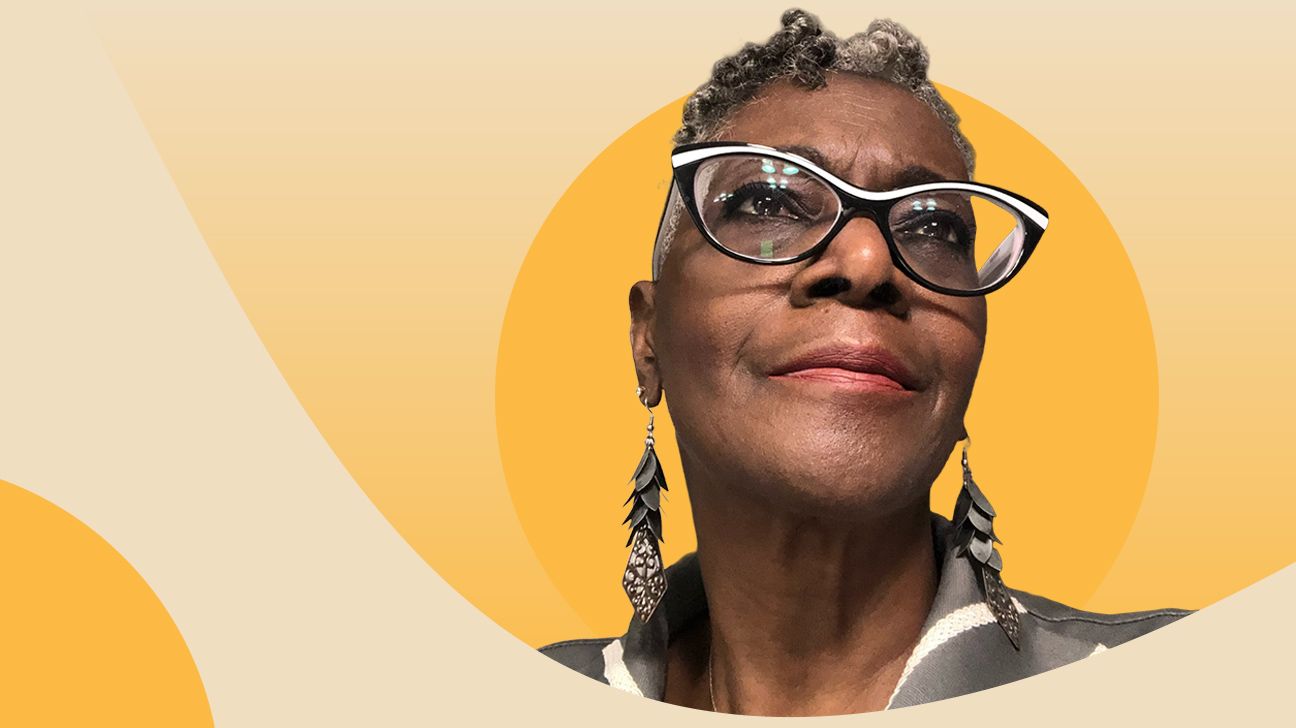
- Survived 30 years with HIV diagnosed at age 44
- Uses new FDA-approved medication at 74
- Modern HIV treatments transformed long-term management
Barbara Roberts has defied expectations for decades after her 1996 HIV diagnosis. At 74, she remains healthy, active, and optimistic, thanks to advances in antiretroviral therapy that have transformed HIV from a fatal diagnosis to a manageable condition. Roberts was 44 when she first noticed something was wrong. She initially dismissed her symptoms—fever, night sweats, and fatigue—as a stubborn case of the flu. After antibiotics failed to relieve her symptoms, she returned to the emergency room, where doctors finally ran the tests that would change her life. On December 21, 1996, Roberts received the news: she was HIV-positive. “It surprised me because I never considered myself at risk,” Roberts told Healthline. “I was married, monogamous, and had no reason to think this was coming.”
From Flu Symptoms to Life-Changing Diagnosis
Roberts’ diagnosis came at a time when HIV was widely misunderstood and stigmatized. In the mid-1990s, HIV was often seen as a death sentence, particularly for women who were frequently overlooked in early research and public health campaigns. Roberts’ experience reflected the medical community’s limited understanding at the time. Doctors initially treated her symptoms without suspecting HIV, a common oversight then. Her delayed diagnosis mirrors the challenges many faced before widespread testing and awareness campaigns took hold. “I was sent home with antibiotics that didn’t help,” Roberts recalled. “It wasn’t until I went back to the ER that they finally ran the right tests.”
The early years of Roberts’ HIV journey were marked by uncertainty and fear. Treatments in the 1990s were far less effective than today’s options, often causing severe side effects. Many people with HIV struggled with adherence due to complicated regimens and societal stigma. Roberts, however, remained determined. She educated herself about the virus, worked closely with her healthcare team, and adhered strictly to her treatment plan, even when it was difficult. Her persistence paid off. While her early medications were far from perfect, they kept her alive long enough for better treatments to emerge.
Breakthrough Medication Offers New Hope at 74
Roberts’ current regimen includes a new FDA-approved medication that has significantly improved her quality of life. Unlike older drugs, this treatment requires fewer pills, has milder side effects, and is more potent against the virus. The medication belongs to a class of antiretrovirals known as integrase inhibitors, which have become a cornerstone of modern HIV therapy. Clinical trials show these drugs can suppress the virus to undetectable levels in the blood, allowing the immune system to recover and reducing transmission risk to zero for those with consistent treatment.
HIV experts say Roberts’ longevity is a testament to the progress made in HIV care over the past three decades. Dr. Anthony Fauci, former director of the National Institute of Allergy and Infectious Diseases (NIAID), has frequently highlighted how antiretroviral therapy has turned HIV into a chronic, manageable condition for those who have access to treatment. “The transformation in HIV care is one of modern medicine’s greatest success stories,” Fauci said in a 2023 interview. “People diagnosed today can expect to live nearly as long as those without HIV, provided they receive proper care.” Roberts’ experience aligns with these advancements. Her viral load is now undetectable, and her immune system is strong. She travels, volunteers, and enjoys time with family—activities that would have been difficult or impossible in the early days of her diagnosis.
Living Proof of HIV Treatment Progress
Roberts’ story is more than a personal triumph; it’s a reflection of how far HIV treatment has come. In the 1990s, the average life expectancy for someone with HIV was just 10 years after diagnosis. Today, with early treatment, people with HIV can live into their 70s, 80s, or beyond. The shift is largely due to the development of combination antiretroviral therapy (ART) in the mid-1990s, followed by even more effective and tolerable drugs in the 2000s and 2010s. Roberts has witnessed this evolution firsthand. She started with regimens that required multiple daily pills and caused debilitating side effects. Now, she takes a single daily pill with minimal impact on her daily life.
Public health campaigns have also played a critical role in reducing stigma and increasing testing. Roberts recalls a time when HIV was rarely discussed openly, especially for women. Today, celebrities, athletes, and public figures openly discuss their HIV status, helping to normalize conversations about the virus. Organizations like the Centers for Disease Control and Prevention (CDC) have pushed for routine testing and early intervention, which Roberts credits with saving her life. “If I hadn’t pushed for those tests, I might not be here today,” she said. “Now, more people have access to the care that kept me going.”
The Road Ahead: Challenges and Opportunities
While Roberts’ story is inspiring, experts caution that challenges remain. Access to care is still uneven, particularly in low-income communities, rural areas, and countries with limited healthcare resources. The World Health Organization estimates that only 76% of people living with HIV globally were receiving treatment in 2022. Stigma persists in some regions, discouraging testing and treatment. Roberts hopes her story will inspire others to seek care without fear. “HIV doesn’t have to define you,” she said. “With the right treatment and support, you can live a long, healthy life.”
For Roberts, the future looks bright. She continues to take her medication as prescribed, monitors her health regularly, and advocates for others living with HIV. She also stays informed about emerging treatments, including long-acting injectables and potential cures in development. While a cure remains elusive, Roberts believes progress will continue. “I’ve seen so much change in 30 years,” she said. “I have faith that the next generations will have even better options.” Her message to those newly diagnosed is simple: “Don’t give up. There’s hope.”
What You Need to Know
- Source: Healthline
- Published: May 16, 2026 at 03:46 UTC
- Category: Health
- Topics: #health · #wellness · #medicine · #fda · #she-was-diagnosed · #still-thriving-today
Read the Full Story
This is a curated summary. For the complete article, original data, quotes and full analysis:
All reporting rights belong to the respective author(s) at Healthline. GlobalBR News summarizes publicly available content to help readers discover the most relevant global news.
Curated by GlobalBR News · May 16, 2026
Related Articles
- Why ‘Ballmaxxing’ May Be More Dangerous Than You Think
- 18 Americans airlifted home after hantavirus outbreak on cruise ship
🇧🇷 Resumo em Português
Barbara Roberts, uma mulher que desafiou as estatísticas da aids há três décadas, comemora três décadas de vida plena após ser diagnosticada com HIV em 1996, aos 44 anos, e hoje, aos 74, mantém-se saudável graças aos avanços da medicina moderna. Seu caso, que parecia condenar pacientes à deterioração precoce nos anos 1990, tornou-se um símbolo de esperança e resiliência diante de uma doença que, na época, carregava estigma e poucas opções de tratamento. A história de Roberts, que se tornou uma das sobreviventes mais longas do vírus, é um testemunho de como a ciência transformou o HIV de uma sentença de morte para uma condição controlável.
No Brasil, onde a aids ainda é um desafio de saúde pública — com cerca de 1,2 milhão de pessoas vivendo com o vírus, segundo o Ministério da Saúde —, o caso de Roberts chega como um alento e um lembrete da importância do acesso a tratamentos inovadores. O país, que há décadas enfrenta desigualdades no combate à doença, viu os índices de mortalidade caírem drasticamente graças a políticas públicas como a distribuição gratuita de antirretrovirais pelo SUS. Contudo, a realidade mostra que, embora a ciência tenha avançado, o preconceito e a falta de prevenção ainda são barreiras a serem superadas, especialmente entre jovens e populações vulneráveis.
A trajetória de Barbara Roberts reforça que, com diagnóstico precoce e tratamento adequado, é possível viver décadas — e com qualidade — mesmo após um diagnóstico de HIV, um recado crucial para o Brasil, onde o vírus ainda afeta milhares anualmente.
🇪🇸 Resumen en Español
Barbara Roberts, una mujer diagnosticada con VIH en 1996, ha logrado vivir tres décadas con la enfermedad y hoy, a los 74 años, sigue gozando de una salud envidiable gracias a los avances médicos.
Su caso refleja cómo los tratamientos antirretrovirales, aprobados por la FDA en las últimas décadas, han transformado el pronóstico del VIH, pasando de ser una sentencia de muerte a una condición crónica manejable. Para los hispanohablantes, este ejemplo subraya la importancia de la detección temprana, el acceso a la medicación y la lucha contra el estigma, especialmente en comunidades donde el desconocimiento aún frena la prevención. Roberts simboliza la esperanza de millones que, con el tratamiento adecuado, pueden llevar una vida plena.
Healthline
Read full article at Healthline →This post is a curated summary. All rights belong to the original author(s) and Healthline.
Was this article helpful?



Discussion