Davie Defense wins $3.5B contract to build five Arctic Security Cutters for the U.S. Coast Guard.
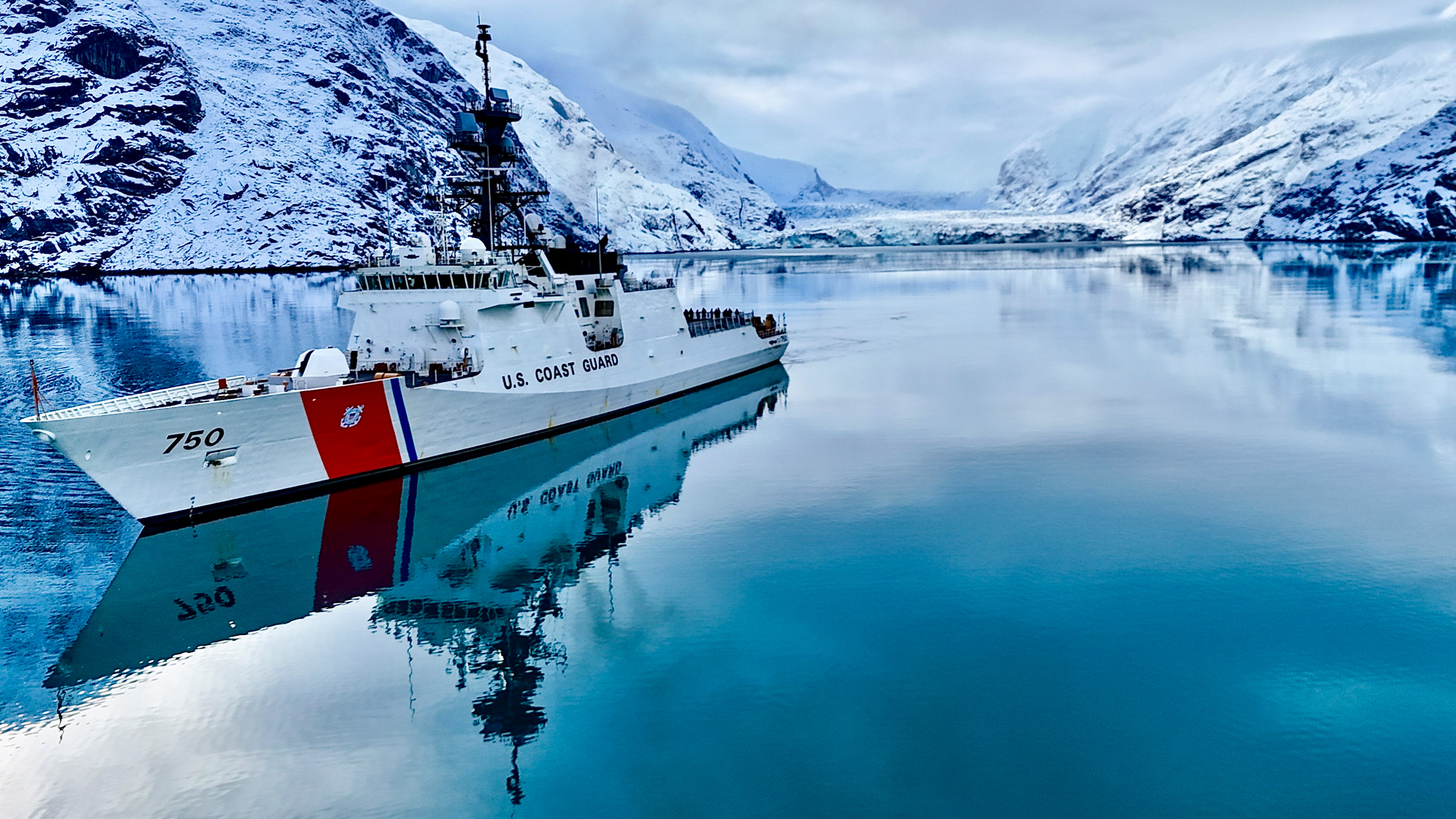
- Davie Defense wins $3.5B contract for five Arctic Security Cutters
- Total Coast Guard icebreaker fleet expands to 11 ships
- Three ships built in Texas, two in Finland
Davie Defense Inc., the U.S. arm of the UK-owned Inocea group, finalized a $3.5 billion contract with the U.S. Coast Guard on Wednesday to build and deliver five Arctic Security Cutters. The deal increases the total number of cutters under construction to 11, aligning with President Donald Trump’s executive orders to expand the nation’s icebreaker fleet, Military Times reported earlier. The contract follows an initial announcement in mid-February outlining the government’s push to bolster Arctic maritime security amid rising geopolitical tensions in the region.
Three of the new vessels will be constructed at Davie Defense’s Gulf Copper shipyards in Galveston and Port Arthur, Texas, while the remaining two will be built at the company’s affiliate facility in Helsinki, Finland. The dual-location strategy leverages Inocea’s global shipbuilding expertise, ensuring timely delivery despite potential supply chain challenges. Officials have not disclosed the expected completion timeline, but the project is expected to create hundreds of jobs across both countries.
During an April 28 House subcommittee hearing on the Coast Guard’s fiscal 2027 budget, Rep. John Garamendi, D-Calif., raised concerns about the contract’s cost and the potential for delays. Garamendi, a vocal advocate for Coast Guard modernization, questioned whether the $3.5 billion investment could be better allocated to other fleet priorities, including aging vessels in the Pacific and Atlantic regions. The Coast Guard has not publicly addressed these concerns.
The Arctic Security Cutters are designed to operate in extreme cold and ice-covered waters, replacing the Coast Guard’s aging medium-endurance cutters. These new ships will feature advanced navigation systems, reinforced hulls, and enhanced command-and-control capabilities to support missions ranging from search and rescue to environmental response and national defense. The fleet expansion is part of a broader effort to assert U.S. sovereignty in the Arctic, where melting ice has increased commercial and military activity.
Davie Defense’s contract follows a competitive bidding process involving major U.S. and international shipbuilders. The company’s selection underscores its growing role in U.S. defense manufacturing, particularly in high-stakes maritime projects. Inocea, Davie Defense’s parent company, has a long history in icebreaker construction, including the delivery of Canada’s polar icebreaker fleet. The Arctic Security Cutters will be the first U.S.-built vessels of their kind in decades.
The Coast Guard’s fiscal 2027 budget proposal, still under review, includes $1.2 billion for the Arctic Security Cutter program. Lawmakers are expected to debate the allocation further, with some questioning whether the fleet expansion aligns with current operational needs. However, proponents argue that the new cutters are essential for patrolling the Arctic’s vast, resource-rich waters and countering China’s and Russia’s growing influence in the region.
The first ship is scheduled for delivery in 2029, with the remaining four to follow by 2033. The Coast Guard plans to deploy the Arctic Security Cutters primarily in the Bering Sea, Beaufort Sea, and Chukchi Sea, where they will support scientific research, disaster response, and maritime law enforcement. The expanded fleet also bolsters the U.S. presence in an increasingly contested Arctic, where melting ice is opening new shipping lanes and resource opportunities.
What You Need to Know
- Source: Defense News
- Published: May 13, 2026 at 20:23 UTC
- Category: War
- Topics: #defense · #military · #pentagon · #war · #conflict · #contractor
Read the Full Story
This is a curated summary. For the complete article, original data, quotes and full analysis:
All reporting rights belong to the respective author(s) at Defense News. GlobalBR News summarizes publicly available content to help readers discover the most relevant global news.
Curated by GlobalBR News · May 13, 2026
Related Articles
- Wembanyama’s Spurs reach Western finals, Pistons stay alive in NBA playoffs
- 🎉 250 Articles in War!
- 🎉 100 Articles in War!
🇧🇷 Resumo em Português
O Canadá surpreende a geopolítica ao fechar um mega-contrato de R$ 18 bilhões com uma empresa canadense, Davie Defense Inc., para a construção de cinco navios de patrulha polar para a Guarda Costeira dos EUA, garantindo presença estratégica no Ártico — uma região cada vez mais cobiçada e militarizada. A decisão, anunciada nesta semana, não só reforça a aliança entre Washington e Ottawa, mas também redefine a dinâmica de segurança na fronteira norte do continente, onde o degelo abre novas rotas comerciais e disputas territoriais.
O acordo, avaliado em US$ 3,5 bilhões, tem peso geopolítico e econômico para o Brasil, que, como potência sul-americana, observa com atenção as movimentações no Hemisfério Norte. Enquanto os dois primeiros navios serão construídos na Finlândia — país com expertise em navios polares — os outros três serão fabricados em estaleiros no Texas, nos EUA, em uma parceria binacional que pode influenciar futuros investimentos em defesa no Atlântico Sul e na Antártida. Para o mercado brasileiro, especialistas já sinalizam que a demanda por embarcações adaptadas a ambientes extremos deve crescer, seja para operações de busca e salvamento, fiscalização ou projeção de poder em águas profundas.
A médio prazo, a parceria entre Davie Defense e a Guarda Costeira dos EUA pode acelerar a modernização de frotas similares em outros países, inclusive no Brasil, que já discute a ampliação de sua capacidade de patrulha na Amazônia Azul.
🇪🇸 Resumen en Español
Canadá y Estados Unidos refuerzan su alianza estratégica en el Ártico con un contrato millonario que redefine la seguridad en la región más disputada del planeta.
El acuerdo, valorado en 3.500 millones de dólares, otorga a Davie Defense la construcción de cinco rompehielos Arctic Security Cutters para la Guardia Costera estadounidense, dos de ellos fabricados en astilleros finlandeses y los tres restantes en Texas. Este movimiento llega en un momento crítico, cuando el deshielo acelerado por el cambio climático abre nuevas rutas comerciales y disputas territoriales en el Ártico, convirtiéndolo en un escenario geopolítico cada vez más tenso. Para los hispanohablantes, especialmente en América Latina, la noticia subraya cómo la seguridad marítima global —y los intereses económicos— están reconfigurando alianzas tradicionales, desde el papel de potencias nórdicas como Finlandia hasta la influencia de Washington en una zona que, aunque remota, impacta en el comercio mundial y la soberanía de naciones como Canadá, con quien EE.UU. comparte aguas estratégicas.
Defense News
Read full article at Defense News →This post is a curated summary. All rights belong to the original author(s) and Defense News.
Was this article helpful?



Discussion