Turn empty parking lots into veg patches: Eden Project’s Tim Smit pushes councils to grow food, not just flowers.
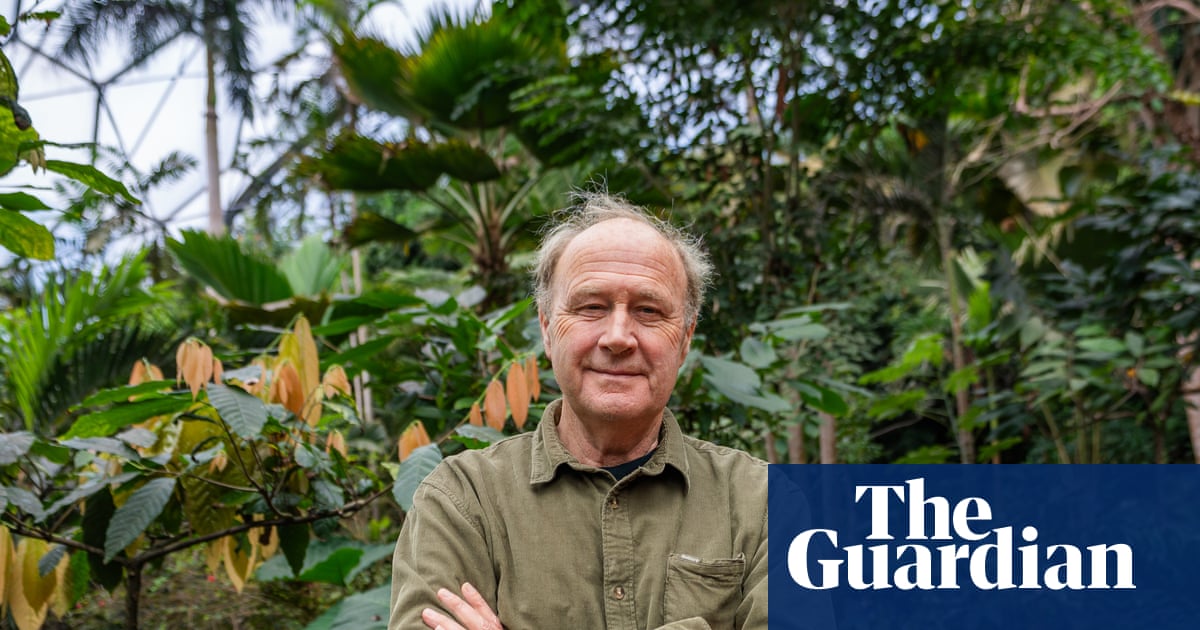
- Tim Smit urges councils to replace asphalt with community food gardens
- His Chelsea Flower Show garden mixes edible plants like cabbage with traditional flowers
- Smit says young people need hands-on access to growing food to learn where it comes from
Tim Smit isn’t mincing words when he calls for a radical shift in how British towns and cities use their space. Speaking ahead of this year’s Chelsea Flower Show, the man behind Cornwall’s giant biome domes made one thing clear: the country’s obsession with tarmac is costing communities more than just money. “You could dig up a lot of asphalt and find soil underneath,” Smit said. “We’ve got to stop paving over our future.” His solution? Rip out parking lots, playgrounds, and even some roads to plant vegetables where kids can reach them easily.
Smit’s garden at Chelsea, created with designers Harry Holding and Alex Michaelis, isn’t just another pretty flower display. Called an “edimental” garden—part edible, part ornamental—it plants cabbages, strawberries, and kale alongside marigolds and lavender. The idea is simple: why make people choose between beauty and food when you can have both? “A cabbage is a beautiful plant if you look at it properly,” Smit said. “We’ve trained people to think food comes from a supermarket shelf, not a garden.”
Why councils should care about veg patches
Smit’s push comes at a time when food poverty is rising in the UK, with more families relying on food banks and prices climbing faster than wages. But this isn’t just about hunger—it’s about education. “If you give a kid a packet of seeds and a patch of soil, they’ll watch something grow in weeks,” Smit said. “That’s a lesson no classroom can match.” His plan targets local councils, which control vast amounts of land in towns but often leave it as unused concrete or grassy verges that no one tends.
The Chelsea garden’s design deliberately mimics a traditional cottage garden, but every plant has a purpose. Strawberries spill over edges like flowers, while red cabbage leaves add color to borders. Smit argues that once people see how attractive edible plants can be, they’ll want them in parks, schools, and even roundabouts. “We’ve got to stop treating food as an afterthought,” he said. “It’s the most basic thing we need, yet we’ve outsourced growing it to other countries.”
The cost of ignoring empty lots
Britain covers more land with tarmac than any other European country except the Netherlands, according to government data. That’s roughly 2% of the country’s total area—enough space to grow millions of tons of vegetables. Councils often cite cost and liability as reasons to avoid community gardens, but Smit points to success stories like Todmorden in Yorkshire, where edible landscapes turned unused plots into thriving food sources. “People think it’s expensive to maintain a veg patch,” he said. “But a patch of soil costs less than a pothole, and it feeds more people.”
His Chelsea garden also highlights how urban agriculture can cool cities. Concrete absorbs heat, making streets swelter in summer, while plants release moisture and shade the ground. Smit’s team measured a 3°C drop in temperature over the edible beds compared to nearby paved areas. For cash-strapped councils, that’s a free cooling system.
What’s next for Smit’s campaign
Smit isn’t just talking—he’s building. His team at the Eden Project is already working with three UK councils to convert underused land into food-growing spaces this year. The first site, in a former car park in Falmouth, Cornwall, will open this summer with 50 raised beds for community use. “We’re not asking for a revolution,” Smit said. “We’re asking for common sense.” If the Chelsea garden catches the public’s eye, expect more local authorities to start eyeing their own tarmac.
For young people, the message is clear: food doesn’t just appear in plastic bags at the store. It starts with a seed, some soil, and the decision to dig up the asphalt.
What You Need to Know
- Source: The Guardian
- Published: May 17, 2026 at 06:00 UTC
- Category: Environment
- Topics: #guardian · #climate · #environment · #tim-smit · #chelsea · #eden-project
Read the Full Story
This is a curated summary. For the complete article, original data, quotes and full analysis:
All reporting rights belong to the respective author(s) at The Guardian. GlobalBR News summarizes publicly available content to help readers discover the most relevant global news.
Curated by GlobalBR News · May 17, 2026
🇧🇷 Resumo em Português
O sonho de transformar asfalto em hortas comunitárias ganha força na Inglaterra, mas poderia ser uma solução urgente também no Brasil, onde a segurança alimentar e a ocupação de espaços urbanos improdutivos são desafios crescentes. O ambientalista Tim Smit, criador do projeto Eden, propõe que prefeituras substituam estacionamentos por jardins onde jovens possam cultivar seus próprios alimentos, uma ideia que, adaptada à realidade brasileira, poderia aliviar a fome nas cidades e reutilizar áreas degradadas. Com mais de 15 milhões de brasileiros vivendo em situação de insegurança alimentar, segundo dados da Rede Brasileira de Pesquisa em Soberania e Segurança Alimentar, a proposta soa como uma alternativa viável para combater o desperdício de solo e a falta de acesso a alimentos frescos.
A iniciativa, apresentada durante a Chelsea Flower Show — a maior feira de jardinagem do mundo — não se limita ao plantio de hortaliças, mas também à educação ambiental e à geração de renda para comunidades carentes. No Brasil, onde projetos como os “Jardins de Chuva” e as “Hortas Urbanas” já mostram resultados positivos em São Paulo e no Rio de Janeiro, a ideia de Smit poderia ser replicada em larga escala, especialmente em periferias e regiões com alta taxa de desemprego. Além de promover a agricultura urbana, a medida ajudaria a reduzir ilhas de calor nas cidades e a recuperar áreas antes ocupadas por concreto, alinhando-se às metas de desenvolvimento sustentável da ONU.
A próxima etapa seria convencer governos municipais a abraçar o modelo, oferecendo incentivos fiscais para empresas que transformarem estacionamentos em hortas e incluindo a educação agrícola nas escolas públicas. Se bem implementada, a proposta poderia ser um divisor de águas na relação entre cidades e alimentação no Brasil.
The Guardian
Read full article at The Guardian →This post is a curated summary. All rights belong to the original author(s) and The Guardian.
Was this article helpful?


Discussion