38-year-old man dies in second fatal Australian shark attack of 2026 off Rottnest Island.
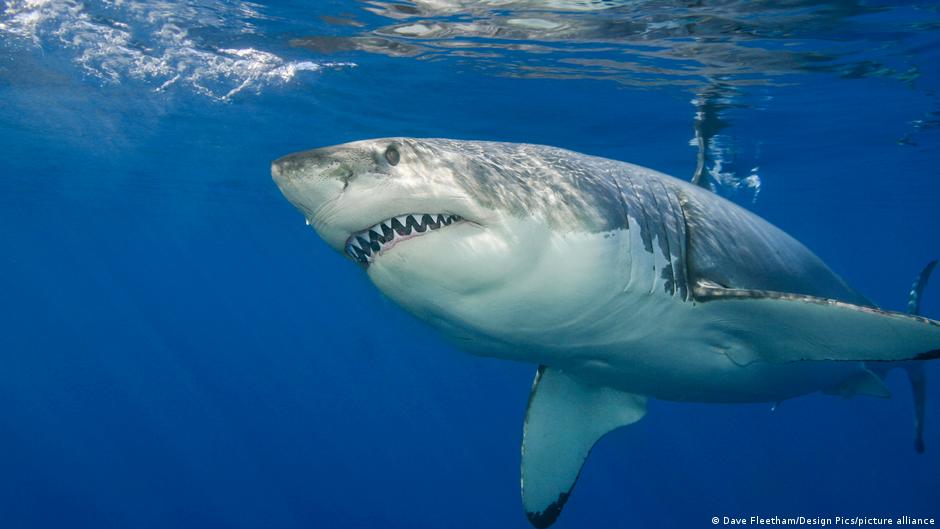
- Man dies after shark bite at Rottnest Island Saturday morning
- Second fatal shark attack in Australia this year
- White shark spotted near attack site, officials say
A 38-year-old man died Saturday after a shark attacked him in waters off Rottnest Island, a popular holiday destination near Perth, Western Australia. This is the second fatal shark attack in Australia this year, following a rise in incidents that scientists attribute to shifting migratory patterns and warming ocean temperatures.
Shark attack occurred off Horseshoe Reef
The incident happened around 10:00 a.m. local time (0200 GMT) at Horseshoe Reef, a known surf and swimming area on the island’s northwest coast. Paramedics from St John Ambulance Service treated the victim on the shore but were unable to revive him after the attack. Surf Life Saving WA, the state’s beach safety organization, reported a 5-meter great white shark was spotted 80 meters offshore near the time of the attack.
Rising shark attacks raise safety concerns
The death marks the second fatal shark bite in Australia in 2026, following a January attack in Sydney Harbour that killed a 12-year-old boy. That incident was one of four shark attacks in two days, prompting authorities to temporarily close multiple Sydney beaches. Scientists suggest the increase in encounters may be linked to changes in shark migratory patterns due to warming ocean temperatures and more crowded coastal waters.
Western Australia has implemented various shark mitigation measures over the past decade, including drone surveillance, shark-spotting networks, and targeted culls in certain zones. Despite these efforts, fatal attacks continue to occur, raising public debate over beach safety and ecological balance.
Family and officials respond to tragedy
Authorities have notified the victim’s family and are investigating the incident with support from marine experts. Local officials urged beachgoers to follow posted warnings and avoid swimming in areas flagged for shark activity. The Department of Primary Industries and Regional Development is reviewing data on recent shark sightings and will update safety recommendations as needed.
Rottnest Island, known for its turquoise waters and quokkas, attracts over 500,000 visitors annually. While shark attacks remain rare, this incident underscores ongoing risks in coastal recreation areas. Beach safety agencies continue to emphasize vigilance and adherence to local advisories.
What happens next? Authorities plan to review the attack’s circumstances and reassess current shark monitoring and response protocols. Further safety updates may be issued if patterns in shark behavior change.
What You Need to Know
- Source: Deutsche Welle
- Published: May 16, 2026 at 06:46 UTC
- Category: World
- Topics: #europe · #world-news · #australia · #rottnest-island · #western-australia
Read the Full Story
This is a curated summary. For the complete article, original data, quotes and full analysis:
All reporting rights belong to the respective author(s) at Deutsche Welle. GlobalBR News summarizes publicly available content to help readers discover the most relevant global news.
Curated by GlobalBR News · May 16, 2026
Related Articles
- US proposes 40% cut in Colorado River water for 3 states amid drought
- US-Nigeria joint strike kills ISIS leader in West Africa: Report
- UK insurers charge more or refuse cover for Chinese EVs like Jaecoo
🇧🇷 Resumo em Português
O segundo ataque fatal de tubarão na Austrália em 2024 chocou mais uma vez o mundo, desta vez nas águas cristalinas de Rottnest Island, na costa oeste do país, onde um homem de 38 anos perdeu a vida após ser atingido pelo predador marinho. O incidente reforça os temores crescentes sobre a frequência desses ataques, que já haviam ceifado outra vida no início do ano, colocando em alerta autoridades e banhistas ao redor do globo.
O caso acende um debate não apenas sobre os riscos naturais nas praias australianas, mas também sobre as medidas de segurança e conservação que precisam ser revistas diante do aumento de interações entre humanos e tubarões. Especialistas apontam que mudanças climáticas e a recuperação de populações de tubarões podem estar entre os fatores por trás desse fenômeno, enquanto o Brasil, que também enfrenta desafios semelhantes em regiões como Recife e Fernando de Noronha, observa com atenção os desdobramentos. Para o país, a notícia serve como lembrete da necessidade de políticas públicas eficazes para proteger banhistas sem prejudicar a biodiversidade marinha.
As investigações sobre o ataque em Rottnest Island devem trazer novas pistas sobre como prevenir tragédias como essa, enquanto a Austrália, pressionada pela opinião pública, pode acelerar testes de tecnologias como redes anti-tubarão ou sistemas de alerta mais avançados.
Deutsche Welle
Read full article at Deutsche Welle →This post is a curated summary. All rights belong to the original author(s) and Deutsche Welle.
Was this article helpful?


Discussion