U.S. Army air defenders face soaring demand amid Indo-Pacific tensions, says 94th AAMDC commander at Hawaii symposium.
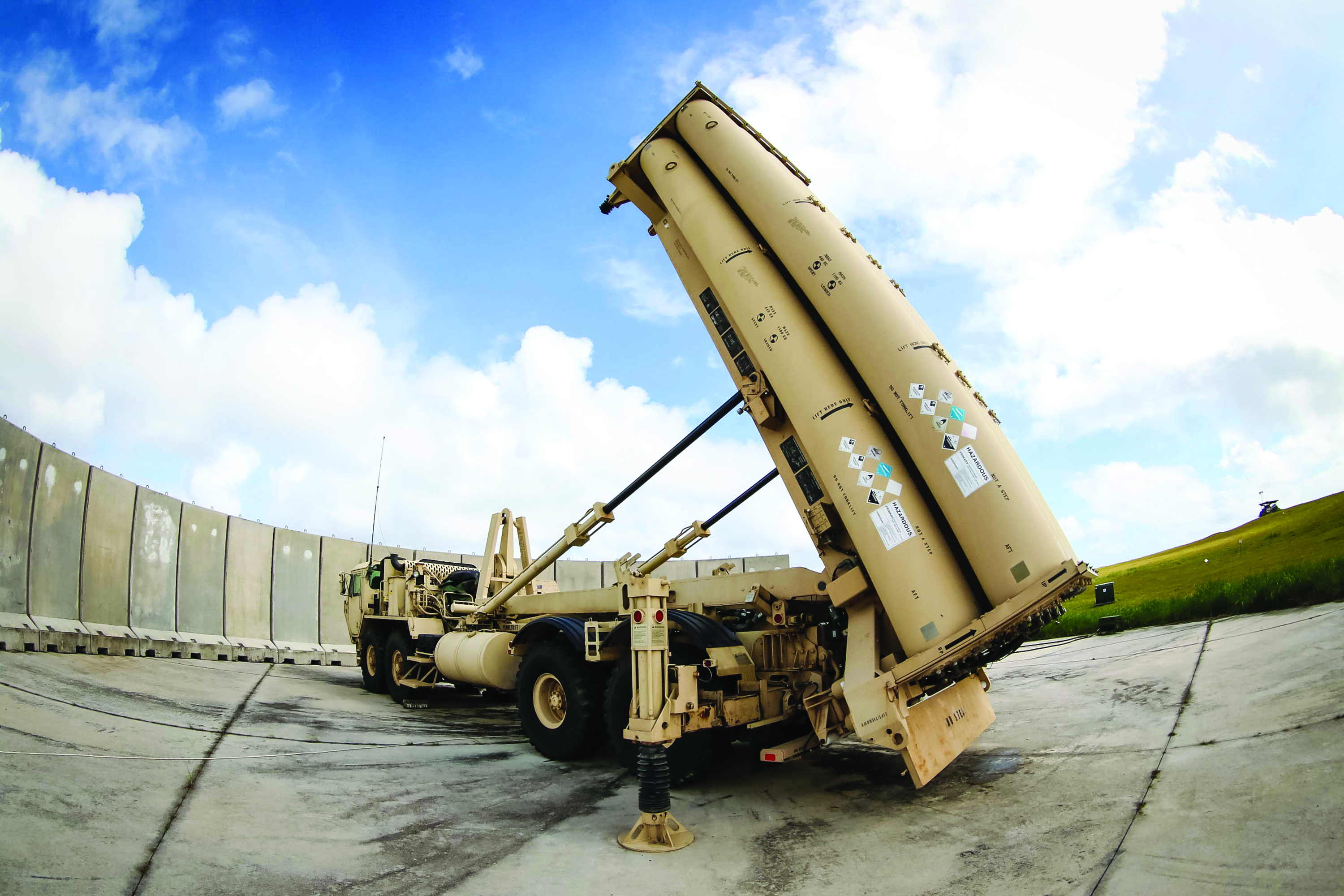
- US Army air defenders now top requested units in Indo-Pacific
- 94th AAMDC commander highlights rising global demand for missile defense
- Indo-Pacific tensions fuel surge in air defense resource priority
Brig. Gen. William Parker, commander of the 94th Army Air and Missile Defense Command (94th AAMDC), told attendees at the symposium in Hawaii that the role of air defenders has shifted from a niche specialty to a frontline necessity. Parker, speaking at the Land Forces of the Pacific event, recalled his early days as a young officer when air defense units were often overlooked. ‘I remember standing outside a headquarters with a sign that read, “Will work for food,”’ he said, drawing laughter from the audience. ‘But now, I’m a cool guy. We are a very much demanded resource globally because of the challenges we face.’
Air Defense Shifts to Center Stage
The 94th AAMDC, headquartered in Hawaii, has become a linchpin in the U.S. military’s Indo-Pacific strategy as threats from advanced missile systems and aerial platforms grow. Parker emphasized that the command’s responsibilities now extend beyond traditional battlefield roles, encompassing layered defense against ballistic, cruise, and hypersonic missiles. ‘Our mission has expanded from point defense to area protection, requiring rapid adaptation to new threats,’ he said.
The symposium, held amid escalating geopolitical tensions in the region, brought together military leaders, defense analysts, and industry representatives to discuss evolving security challenges. Parker’s remarks underscored the Pentagon’s growing reliance on air and missile defense systems to counter China’s expanding missile arsenal and North Korea’s provocative tests.
Training and Technology Drive Readiness
The 94th AAMDC has increased its training tempo to keep pace with evolving threats, including simulated attacks on U.S. and allied assets in the Pacific. Parker highlighted the integration of cutting-edge radar systems and command-and-control networks to enhance real-time threat detection and response. ‘We’re not just reacting anymore; we’re anticipating,’ he said. ‘Our systems must be interoperable with joint and allied forces to create a seamless defense network.’
The command has also expanded its footprint, deploying assets to Guam, Japan, and Australia to bolster regional deterrence. These moves align with the U.S. military’s broader ‘Pacific Deterrence Initiative,’ aimed at countering China’s military buildup and reassuring allies.
Challenges and Future Priorities
Despite progress, Parker acknowledged hurdles, including budget constraints and the need for faster procurement of next-generation missile defense systems. ‘We’re playing catch-up in some areas,’ he said. ‘The threat is moving faster than our acquisition process.’ The command is also working to address gaps in cyber defense for air defense networks, a growing concern as adversaries increasingly target command-and-control systems.
Looking ahead, Parker stressed the importance of maintaining a forward presence in the Indo-Pacific, even as the Army focuses on global commitments. ‘We cannot afford to be reactive,’ he said. ‘Our readiness today will determine our success tomorrow.’
The 2026 Land Forces of the Pacific Symposium continues through Wednesday, with sessions on cyber warfare, space defense, and allied coordination dominating the agenda. Parker’s speech served as a reminder of how quickly the role of air defenders has transformed—and how critical they have become to U.S. strategy in the region.
What You Need to Know
- Source: Defense News
- Published: May 13, 2026 at 17:03 UTC
- Category: War
- Topics: #defense · #military · #pentagon · #war · #weapons · #role
Read the Full Story
This is a curated summary. For the complete article, original data, quotes and full analysis:
All reporting rights belong to the respective author(s) at Defense News. GlobalBR News summarizes publicly available content to help readers discover the most relevant global news.
Curated by GlobalBR News · May 13, 2026
Related Articles
🇧🇷 Resumo em Português
A escalada das tensões no Indo-Pacífico transformou os defensores aéreos do Exército dos EUA em prioridade máxima, segundo o comandante-chefe da Força de Terra americana, que alertou para um cenário onde mísseis hipersônicos e drones se tornam armas cada vez mais comuns em conflitos modernos. Em palestra durante o simpósio das Forças Terrestres de 2026, realizado no Havaí, o oficial destacou que a região, palco de disputas geopolíticas entre China, Coreia do Norte e aliados ocidentais, exige um novo patamar de prontidão operacional — e o Brasil, embora distante geograficamente, não pode ignorar as lições dessa corrida armamentista.
O contexto é crucial: a Ásia-Pacífico concentra hoje os maiores investimentos em defesa antiaérea do mundo, com sistemas como o THAAD e o Patriot sendo atualizados para enfrentar ameaças de alta velocidade e baixa detectabilidade. Para o Brasil, um país que depende de sua extensa faixa costeira e do controle de seu espaço aéreo — especialmente na Amazônia e em projetos estratégicos como o pré-sal —, a discussão soa como um alerta indireto. Especialistas brasileiros já debatem a necessidade de modernizar as capacidades de defesa antiaérea do país, ainda carentes de investimentos robustos, enquanto potências regionais como Argentina e Colômbia aumentam seus arsenais. A relevância da pauta transcende fronteiras: a dependência de tecnologias estrangeiras ou a falta de integração entre as Forças Armadas podem deixar o Brasil vulnerável em um cenário onde até mesmo aliados históricos, como os EUA, priorizam a autossuficiência.
A próxima fronteira, segundo o comandante, é a integração de inteligência artificial e redes de sensores em tempo real — uma corrida que o Brasil mal começou.
🇪🇸 Resumen en Español
El Ejército estadounidense acelera el despliegue de sistemas antiaéreos en el Indo-Pacífico ante el recrudecimiento de las tensiones regionales, según reveló el máximo mando de defensas aéreas en el simposio de Fuerzas Terrestres de 2026 en Hawái.
La escalada de amenazas en un escenario cada vez más disputado —con China reforzando su poderío militar y Corea del Norte intensificando sus pruebas de misiles— ha convertido a los sistemas de defensa antiaérea en una prioridad estratégica para Washington. Esta apuesta no solo busca disuadir posibles agresiones, sino también garantizar la capacidad operativa de sus aliados en la región, donde la estabilidad depende en gran medida de la credibilidad de las garantías de seguridad estadounidenses. Para los hispanohablantes, el tema adquiere relevancia en un contexto global donde la seguridad colectiva y el equilibrio de poder en Asia-Pacífico podrían redefinir alianzas y prioridades geopolíticas en las próximas décadas.
Defense News
Read full article at Defense News →This post is a curated summary. All rights belong to the original author(s) and Defense News.
Was this article helpful?


Discussion