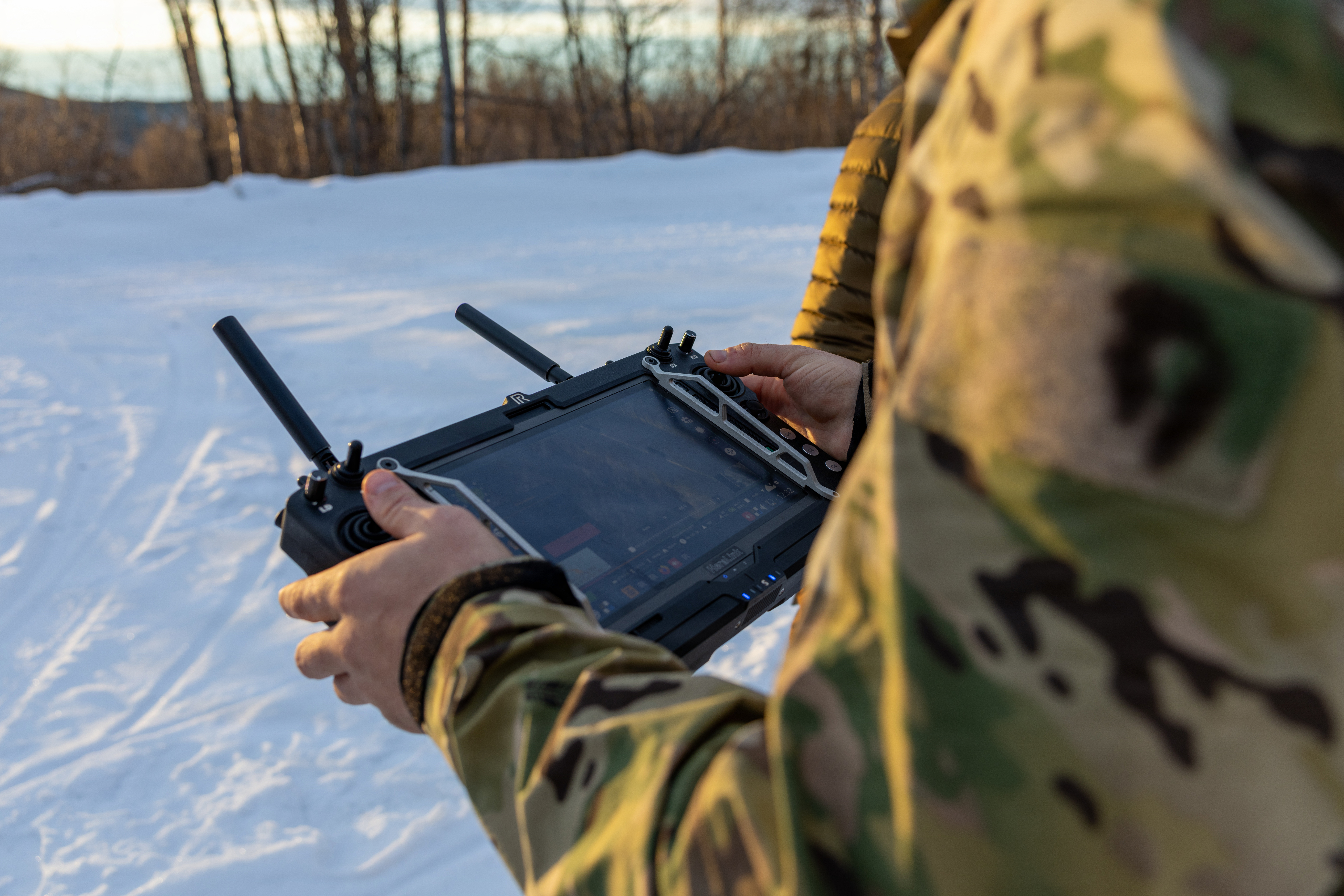
U.S. special forces cannot modify equipment like drones due to vendor contracts, slowing upgrades on urgent battlefields.
- U.S. special ops leaders say vendor contracts block equipment upgrades
- Drones fall behind as tech evolves faster than procurement
- Senate panel hears operator frustration over inability to tinker with gear
U.S. special operations forces are effectively locked out of upgrading their own equipment because of restrictive proprietary agreements with manufacturers, top commanders told a Senate panel Tuesday. The issue is most severe for unmanned systems, where rapid technological advances are outpacing the ability of U.S. Special Operations Command to make timely modifications. The Senate Subcommittee on Emerging Threats and Capabilities heard testimony on the growing gap between operational needs and procurement delays.
“The biggest challenge we face is the inability of the operator at the edge to have the authority to tinker,” Lt. Gen. Lawrence Ferguson, head of U.S. Army Special Operations Command, told lawmakers. He singled out unmanned aerial systems as a critical area where operators are bound to original vendors, preventing them from adding new sensors, software, or other upgrades without lengthy approvals. “We are bound right now to the actual vendor of the system,” Ferguson said, adding that operational units often wait months or years for basic modifications.
Vendor lock-in delays field upgrades
The problem extends beyond drones to ground robots, communications gear, and night-vision devices. Each system is tied to a single manufacturer, creating delays when troops need faster software patches or hardware tweaks in response to new threats. A senior U.S. Special Operations Command official, speaking on condition of anonymity, said operators are forced to rely on outdated equipment in critical missions because upgrade timelines are dictated by corporate schedules, not combat needs.
Industry representatives have acknowledged the issue but cite liability and safety concerns as reasons for maintaining control over modifications. Officials from the Defense Department said they are exploring ways to streamline approvals, including expanded use of open standards and rapid fielding authorities. Still, bureaucratic hurdles and entrenched procurement processes continue to limit flexibility.
Senate probes Pentagon’s response
The Senate subcommittee pressed Pentagon witnesses on why the military has not moved faster to adopt modular, upgradeable systems. Sen. Joni Ernst, the subcommittee chair, questioned whether current acquisition rules were designed more for industrial convenience than combat effectiveness. “We’re asking our operators to fight with one hand tied behind their back,” Ernst said during the hearing. “If they can’t modify their own equipment, we’re failing them operationally.”
Several lawmakers referenced past efforts to push for open architectures in weapons systems, including the Army’s Soldier Lethality Cross-Functional Team, which aims to make gear more adaptable. But officials said cultural resistance within the Pentagon and defense contractors remains a major obstacle. “Change is hard, especially when you’re talking about life-and-death equipment,” said one defense official familiar with the discussions.
What happens next?
The Pentagon has pledged to review contracting practices and explore policy changes that give operators greater leeway to upgrade equipment in the field. A draft directive circulating among senior officials would allow limited tinkering under controlled conditions, provided changes are logged and vetted. Meanwhile, U.S. Special Operations Command is accelerating internal pilots using commercially available drones and modular payloads to test faster integration of new technology.
The outcome could reshape how special operations forces acquire and maintain gear, potentially shifting more procurement toward open systems and commercial off-the-shelf solutions. But for now, troops in the field are stuck waiting for upgrades that could mean the difference between mission success and failure.
What You Need to Know
- Source: Defense News
- Published: May 13, 2026 at 14:28 UTC
- Category: War
- Topics: #defense · #military · #pentagon · #war · #tuesday · #operations-command
Read the Full Story
This is a curated summary. For the complete article, original data, quotes and full analysis:
All reporting rights belong to the respective author(s) at Defense News. GlobalBR News summarizes publicly available content to help readers discover the most relevant global news.
Curated by GlobalBR News · May 13, 2026
Related Articles
🇧🇷 Resumo em Português
Os comandos especiais norte-americanos estão em pé de guerra contra um inimigo invisível: os contratos de fornecedores que travam a modernização de drones e equipamentos. Durante audiência no Senado dos EUA, oficiais revelaram frustração crescente com a lentidão para atualizar tecnologias críticas, um problema que ameaça a prontidão operacional das forças de elite em missões globais.
O chamado vendor lock-in — quando uma empresa detém controle exclusivo sobre sistemas e impede upgrades rápidos ou substituição por concorrentes — expõe não só falhas logísticas, mas também riscos estratégicos. Para o Brasil, que depende cada vez mais de equipamentos de defesa com componentes estrangeiros, a discussão ressoa como um alerta. A dependência de tecnologias fechadas pode comprometer a soberania em ações como monitoramento da Amazônia ou operações antinarcóticos, onde agilidade é crucial. Especialistas brasileiros já apontam casos semelhantes em programas como o dos caças Gripen, onde a integração de sistemas nacionais enfrenta barreiras contratuais impostas por fabricantes.
A comissão do Senado americano promete audiências adicionais e possíveis mudanças legislativas para forçar a abertura de mercados de defesa, um movimento que, se replicado, poderia redefinir as regras do jogo para países como o Brasil.
🇪🇸 Resumen en Español
Las fuerzas especiales estadounidenses denuncian la frustración ante la imposibilidad de modernizar con rapidez sus drones y equipos debido a contratos en exclusiva con proveedores privados. En una audiencia ante un subcomité del Senado, altos mandos militares alertaron sobre los retrasos en las actualizaciones tecnológicas, que comprometen su capacidad operativa en un contexto global marcado por la creciente competencia entre potencias.
El problema, conocido como vendor lock-in, se ha convertido en un lastre para la agilidad de las operaciones especiales, donde la velocidad en la adaptación tecnológica puede ser decisiva. Según testimonios recogidos, las empresas con contratos exclusivos imponen plazos dilatados y precios elevados para integrar mejoras, lo que limita la autonomía de las unidades en misiones críticas. Para el público hispanohablante, este caso refleja los desafíos que enfrentan los ejércitos modernos frente a la burocracia y la dependencia de intereses privados, un debate que trasciende fronteras y que subraya la urgencia de reformar los sistemas de adquisición militar para garantizar la seguridad nacional.
Defense News
Read full article at Defense News →This post is a curated summary. All rights belong to the original author(s) and Defense News.
Was this article helpful?


Discussion