New investigations allege Hamas systematically used sexual violence on October 7, 2023.
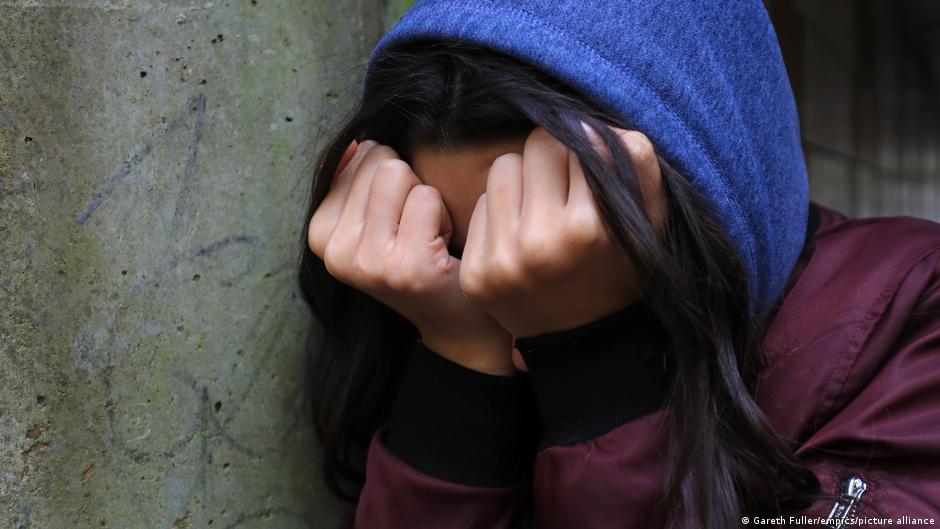
- Reports claim Hamas systematically used sexual violence on October 7, 2023
- Israel and Hamas both deny the allegations
- Two investigations examined thousands of photos and videos
Two new investigations released this week allege that Hamas systematically used sexual violence during the October 7, 2023 attacks on Israel. The reports, one by The Civil Commission in Israel and another by a UN-affiliated body, detail multiple accounts of sexual abuse and gender-based violence. Both Israel and Hamas have denied the claims, calling them politically motivated and lacking credible evidence.
The Civil Commission’s report, led by Cochav Elkayam-Levy, examined thousands of photographs, videos, and survivor testimonies. It concluded that Hamas used sexual and gender-based violence (SGBV) deliberately as a tactic of war. The report was endorsed by prominent figures, including former U.S. Secretary of State Hillary Clinton and former Canadian Minister of Justice Irwin Cotler. It follows methodologies recognized by international criminal tribunals for documenting war crimes.
UN report echoes allegations amid denials
A separate report, commissioned by the United Nations and other human rights organizations, also alleges systematic sexual violence by Hamas during the October 7 attacks. The investigation, led by a team of forensic experts, found evidence of rape, sexual assault, and mutilation. However, its findings have been disputed by Hamas officials, who called the report biased and unreliable.
Israeli officials have welcomed the investigations, calling them critical to exposing Hamas’ tactics. Prime Minister Benjamin Netanyahu stated that the reports confirm long-standing claims about Hamas’ use of sexual violence as a weapon of war. Palestinian officials, meanwhile, argue the allegations are part of a broader campaign to demonize Hamas and undermine Palestinian rights.
International reactions mixed
The allegations have sparked reactions from global human rights groups, with some calling for further independent investigations. The International Criminal Court (ICC) has not yet commented on the reports but has previously opened investigations into alleged war crimes by both Israeli forces and Hamas. The U.S. and several European countries have expressed concern, urging all parties to cooperate with independent probes.
Critics of the reports argue that the lack of immediate access to crime scenes and the passage of time since the attacks make it difficult to verify the claims. They also point to Israel’s ongoing blockade of Gaza, which has restricted independent investigations. Supporters of the reports counter that the accumulation of survivor testimonies, digital evidence, and forensic analysis strengthens their credibility.
Broader implications for conflict resolution
The allegations could further complicate efforts to mediate the Israeli-Palestinian conflict, which has seen multiple wars and decades of violence. Human rights organizations warn that unaddressed sexual violence in conflict zones often goes unpunished, emboldening perpetrators. The reports may also influence international perceptions of Hamas and the broader geopolitical dynamics in the Middle East.
The United Nations has called for all allegations to be thoroughly investigated by an independent, impartial body. Meanwhile, both sides continue to trade accusations, with no clear path toward resolution. The reports add another layer of complexity to an already intractable conflict, raising urgent questions about accountability and justice.
What You Need to Know
- Source: Deutsche Welle
- Published: May 15, 2026 at 11:10 UTC
- Category: World
- Topics: #europe · #world-news · #sports · #nfl · #american-football
Read the Full Story
This is a curated summary. For the complete article, original data, quotes and full analysis:
All reporting rights belong to the respective author(s) at Deutsche Welle. GlobalBR News summarizes publicly available content to help readers discover the most relevant global news.
Curated by GlobalBR News · May 15, 2026
Related Articles
- US proposes 40% cut in Colorado River water for 3 states amid drought
- UK insurers charge more or refuse cover for Chinese EVs like Jaecoo
- Trump urges Taiwan to avoid independence amid rising China tensions
🇧🇷 Resumo em Português
Israel enfrenta novas denúncias chocantes de violência sexual sistemática durante o ataque do Hamas, em 7 de outubro de 2023, que prometem reacender debates sobre direitos humanos e guerra no Oriente Médio. Relatórios recentes, baseados em depoimentos de sobreviventes e evidências forenses, sugerem que agressores agiram com uma brutalidade calculada, incluindo estupros e torturas, o que coloca mais pressão sobre a comunidade internacional para investigar crimes de guerra.
O Brasil, que mantém relações históricas com ambos os lados do conflito, assiste a essa escalada com crescente preocupação, especialmente diante da diáspora de vítimas e testemunhas que buscam refúgio em países da América Latina. Para o público brasileiro, a discussão transcende os limites geográficos: questiona a eficácia do direito internacional em conflitos assimétricos e reafirma a importância de o Brasil se posicionar de forma clara contra violações de direitos humanos, independentemente de quem as cometa. A negação categórica de Israel e do Hamas apenas aumenta a urgência por provas transparentes, que possam ser analisadas por órgãos como a ONU.
A repercussão dessas investigações deve influenciar não só a política externa brasileira, mas também a mobilização de organizações de direitos humanos no país, que já cobram respostas concretas das Nações Unidas.
🇪🇸 Resumen en Español
Dos informes recientes han sacudido el panorama de la guerra entre Israel y Hamás al revelar presuntos casos de violencia sexual sistemática perpetrados por miembros del grupo islamista durante el ataque del 7 de octubre de 2023, unas acusaciones que tanto Tel Aviv como Hamás se apresuran a negar.
Las investigaciones, que recopilan testimonios de supervivientes y material audiovisual, exponen un patrón de agresiones que, según sus autores, formaría parte de una estrategia deliberada de Hamás para infundir terror. Para los hispanohablantes, este episodio no solo subraya la gravedad de los crímenes en conflictos armados, sino que también plantea preguntas incómodas sobre la impunidad en zonas de guerra y el papel de la comunidad internacional a la hora de documentar y perseguir estos actos. La polarización del conflicto dificulta, además, un análisis sereno, pero la gravedad de las acusaciones exige una respuesta clara de las instituciones encargadas de velar por los derechos humanos.
Deutsche Welle
Read full article at Deutsche Welle →This post is a curated summary. All rights belong to the original author(s) and Deutsche Welle.
Was this article helpful?

Discussion