Parker’s $250M corporate card startup filed for bankruptcy after running out of cash.
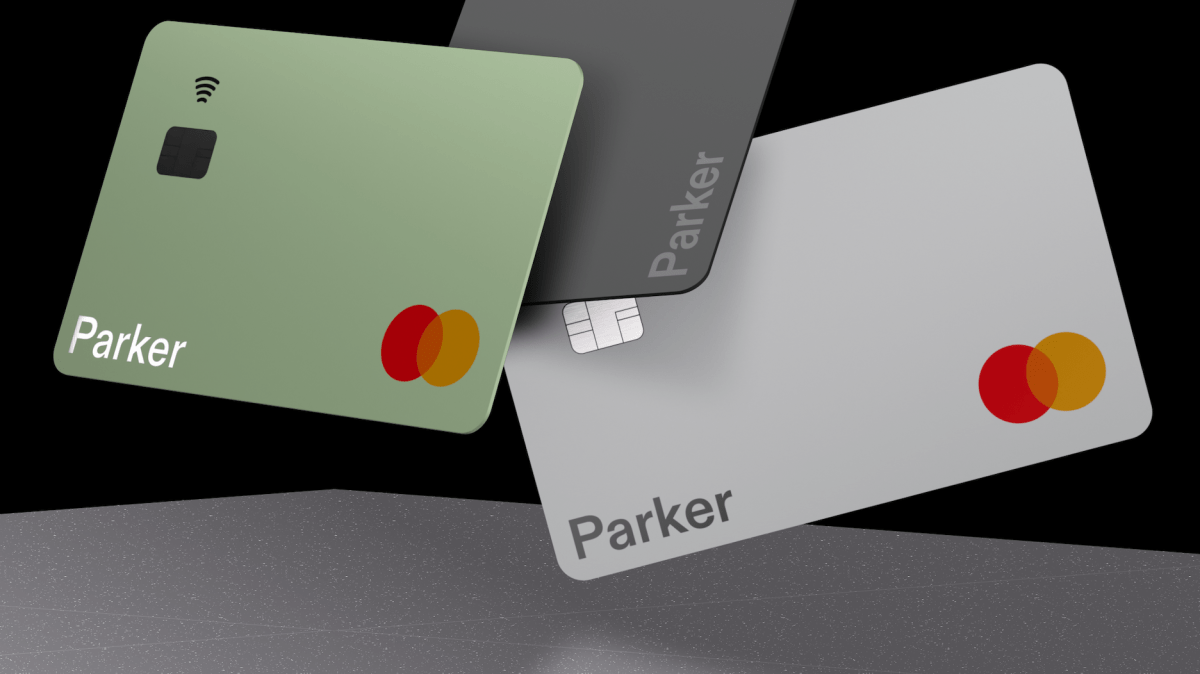
- Parker raised $250 million and was valued at $1.2 billion in 2022
- The startup filed for bankruptcy and shut down operations
- It offered corporate credit cards and banking services for businesses
Parker, a fintech company that promised to simplify corporate spending with credit cards and banking tools, has shut its doors after filing for bankruptcy in Delaware court. The startup, which once boasted a $1.2 billion valuation, couldn’t secure its next funding round as losses mounted and customer growth stalled. Founded in 2018, Parker marketed itself as a faster, cheaper way for businesses to manage expenses, competing with giants like Brex and Ramp. It attracted big-name investors, including Rivian’s investment arm, and raised $250 million in total funding.
The company’s collapse comes as fintech startups face a brutal reckoning. After years of easy money and rapid growth, many are now struggling with higher interest rates, stricter lending rules, and slower customer spending. Parker’s troubles mirror recent failures in the sector, like Pipe’s near-collapse or Brex’s layoffs. Unlike some competitors, Parker didn’t offer a standout feature—just another corporate card in a crowded market. Its app and underwriting model didn’t stand out enough to win loyal customers.
How Parker grew and then collapsed
Parker started as a sleek alternative to traditional corporate cards, promising instant approvals and no hidden fees. It targeted small and mid-sized businesses that struggled to get credit from banks or bigger fintech players. Early on, it signed up hundreds of companies, including some well-known names. But growth slowed as rivals like Ramp and Brex outspent Parker on marketing and perks. Parker’s spending limits were often lower, and its customer service got complaints for being hard to reach.
By 2023, the company was burning cash fast. It laid off about 30 employees in a cost-cutting move, but that wasn’t enough. Investors grew nervous as the fintech winter deepened. Banks tightened lending, and startups found it harder to raise money. Parker’s last funding round, a $100 million debt financing in 2022, came with strict terms that made it hard to pivot. When the market didn’t improve, Parker’s board decided to file for bankruptcy instead of shutting down abruptly.
What happens to customers and employees now
Customers with Parker cards will likely lose access to their accounts within weeks. The company said it’s working with a trustee to return funds and close accounts, but details on refunds or unspent balances are unclear. Employees were let go immediately after the bankruptcy filing, leaving them scrambling for new jobs. Some may qualify for severance or unemployment benefits, depending on their location and tenure.
The shutdown leaves businesses scrambling for alternatives. Companies that relied on Parker for expense management now have to switch to other providers quickly. Rivals like Brex and Ramp are already seeing an uptick in inquiries from displaced customers. But switching isn’t easy—it means updating accounting systems, reissuing cards, and renegotiating contracts. For Parker’s former employees, the collapse adds to a growing list of fintech layoffs in 2024.
Why this matters beyond Parker
Parker’s failure is another sign that the fintech boom is over, at least for now. Investors are pulling back, and the companies that survive will be the ones with clear paths to profitability—not just growth at any cost. The shutdown also raises questions about how startups handle customer funds in bankruptcy. Parker is a private company, so details are scarce, but regulators may take a closer look at how fintech firms safeguard deposits.
For the broader tech industry, Parker’s collapse is a reminder that even well-funded startups can fail if their product doesn’t stand out. The fintech space is no longer a gold rush. Startups now need real differentiation, not just slick apps and big marketing budgets. The ones that do survive will likely be those with strong unit economics or partnerships with banks.
What You Need to Know
- Source: TechCrunch
- Published: May 09, 2026 at 20:32 UTC
- Category: Startups
- Topics: #techcrunch · #startups · #venture-capital · #fintech · #parker · #parker-fintech-bankruptcy
Read the Full Story
This is a curated summary. For the complete article, original data, quotes and full analysis:
All reporting rights belong to the respective author(s) at TechCrunch. GlobalBR News summarizes publicly available content to help readers discover the most relevant global news.
Curated by GlobalBR News · May 09, 2026
🇧🇷 Resumo em Português
A Parker, uma fintech brasileira que chegou a arrecadar impressionantes R$ 1,3 bilhão em investimentos, anunciou sua falência e o encerramento imediato de suas operações, marcando um dos maiores colapsos do ecossistema de startups no país. A notícia chocou o mercado, revelando como promessas de inovação no setor de cartões corporativos e gestão de despesas empresariais podem ruir diante de uma combinação de má gestão, supervalorização e falta de sustentabilidade financeira.
O caso da Parker serve como um alerta para o Brasil e para os empreendedores daqui, onde a cultura de “scale fast” muitas vezes ignora os riscos de um crescimento acelerado sem lastro em receitas reais. A fintech, que prometia revolucionar o mercado de cartões corporativos com soluções digitais e crédito facilitado, caiu após uma série de problemas operacionais, falta de transparência e, segundo relatos, até mesmo suspeitas de fraudes contábeis. Especialistas já sinalizam que o episódio pode levar a uma revisão mais criteriosa por parte de investidores e aceleradoras, que agora devem priorizar startups com modelos de negócio sólidos e compliance rigoroso.
Para o mercado brasileiro, o desfecho da Parker é um lembrete de que nem todo “unicórnio” está a salvo, e que a cultura de inovação precisa caminhar lado a lado com governança e responsabilidade.
TechCrunch
Read full article at TechCrunch →This post is a curated summary. All rights belong to the original author(s) and TechCrunch.
Was this article helpful?



Discussion