Hong Kong court will hear liquidators’ negligence claim against PwC over Evergrande audits Monday.
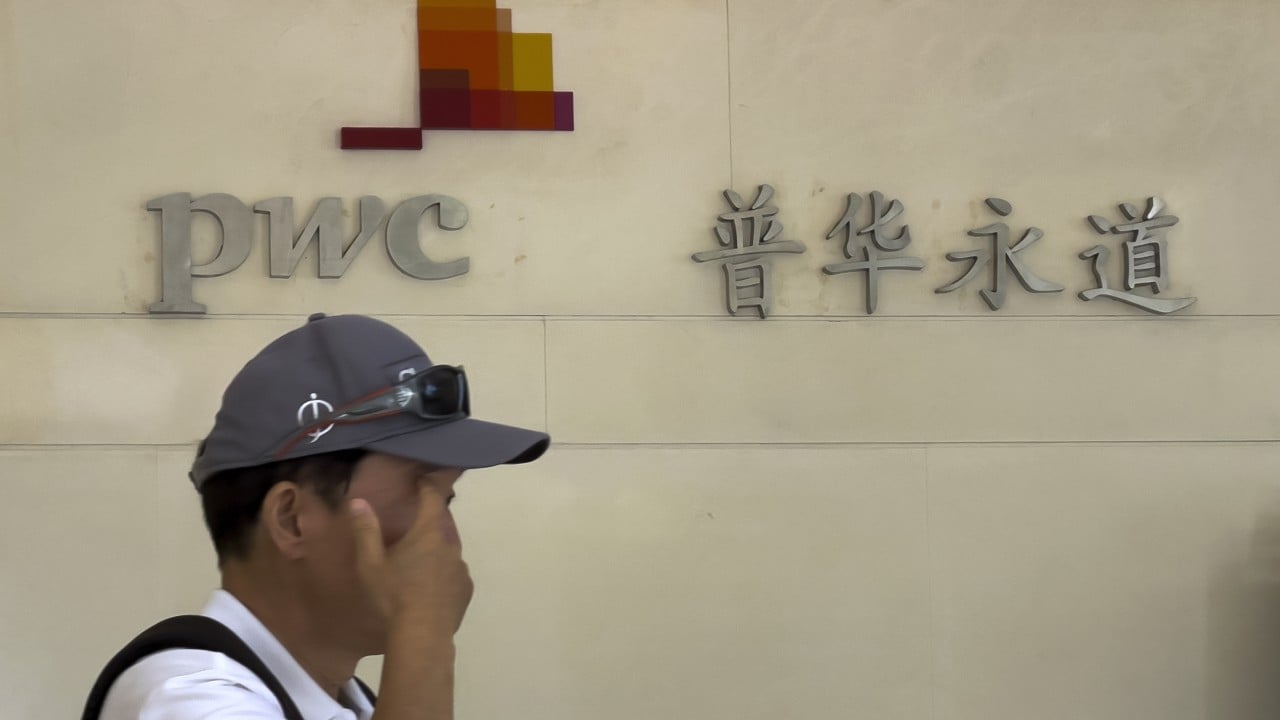
- PwC faces lawsuit from Evergrande’s liquidators in Hong Kong court Monday
- Liquidators accuse auditors of negligence in Evergrande’s financial reports
- Case is open to the public, presided by Deputy Judge Patrick Fung Pak-tung
The High Court of Hong Kong is set to hear a high-stakes lawsuit on Monday that could reshape how auditing firms are held accountable for their work with collapsed corporate giants. The liquidators of China Evergrande Group, one of China’s largest but now insolvent property developers, have filed a claim against PricewaterhouseCoopers (PwC) International. They allege the accounting firm failed in its duties by signing off on Evergrande’s financial statements during years when the company’s debt ballooned to over $300 billion. The company’s collapse in 2021 left more than 1.5 million homebuyers stranded and sparked a wave of investor lawsuits across multiple jurisdictions.
Why this case matters beyond Evergrande
Evergrande’s liquidators argue that PwC’s audits gave a misleading picture of the company’s financial health, which they say prolonged the developer’s ability to borrow money and operate despite unsustainable losses. Legal experts say the case is closely watched because it tests how far auditors can be held liable for financial misstatements that contribute to massive corporate failures. If the court sides with the liquidators, it could open the door for similar claims against auditing firms in other collapsed firms, including possibly China Huarong Asset Management or Sunac China Holdings.
PwC has pushed back hard. In court filings, the firm argues that its audits complied with professional standards and that Evergrande’s problems stemmed from reckless business decisions—not faulty accounting. The auditors point out that their role is to verify financial statements, not to predict corporate collapses. Their defense rests on the idea that audits provide reasonable assurance, not absolute certainty, and that investors and regulators share responsibility for spotting red flags. The firm has also noted that Evergrande’s own management and board signed off on the financial reports they audited.
The courtroom stakes
The hearing before Deputy Judge Patrick Fung Pak-tung is scheduled for a full day, with both sides expected to present detailed arguments. The liquidators’ legal team is likely to focus on specific audit failures they claim worsened Evergrande’s financial distress. These include alleged overstatements of cash reserves, underreporting of liabilities, and inadequate disclosures about related-party transactions that enriched top executives while masking the company’s true debt load. PwC’s lawyers are expected to counter by highlighting the complexity of Evergrande’s operations, the opacity of China’s real estate sector, and the limitations of audit procedures in detecting fraud.
The case is being closely followed in legal and financial circles because of its potential to set a precedent for auditor liability in Asia. Unlike in the U.S. or U.K., Asian courts have rarely held auditors financially liable for corporate collapses on this scale. A ruling in favor of the liquidators could embolden other claimants, including bondholders and suppliers, to sue auditors in similar cases. Conversely, a win for PwC would reinforce the traditional view that audits are not meant to prevent fraud but to provide a snapshot of a company’s financial position at a point in time.
What happens next
Regardless of the outcome, this case won’t resolve all the claims against PwC or Evergrande’s liquidators. The lawsuit is only one part of a much larger legal battle involving dozens of lawsuits, regulatory investigations, and criminal probes into Evergrande’s collapse. The liquidators are also pursuing claims against Evergrande’s former executives, including its founder Xu Jiayin, who faces criminal charges in China for fraud and illegal fundraising. In Hong Kong, separate cases are targeting the company’s offshore bondholders and offshore creditors, who are locked in a bitter fight over how to divide Evergrande’s remaining assets.
The broader fallout from Evergrande’s failure continues to ripple through China’s economy. The property sector, which once accounted for up to 30% of the country’s GDP, remains deeply distressed, with dozens of developers defaulting on payments and homebuyers refusing to buy unfinished properties. Regulators in Beijing have tried to stabilize the market with new policies, but confidence has not fully returned. For PwC, the stakes are high: the firm faces reputational damage and potential financial penalties if it loses, even if the ultimate judgment is modest. For the liquidators, a win could help recover some of the billions lost by creditors and investors. For the public, the case is a reminder of the limits—and risks—of relying on audited financial statements in an era of corporate megacollapses.
What You Need to Know
- Source: SCMP
- Published: May 17, 2026 at 11:00 UTC
- Category: World
- Topics: #scmp · #asia · #china · #world-news · #hong-kong-high · #court
Read the Full Story
This is a curated summary. For the complete article, original data, quotes and full analysis:
All reporting rights belong to the respective author(s) at SCMP. GlobalBR News summarizes publicly available content to help readers discover the most relevant global news.
Curated by GlobalBR News · May 17, 2026
Related Articles
- 🎉 250 Articles in World!
- WHO declares Ebola emergency as Congo outbreak spreads to Uganda
- WHO declares Ebola emergency as Congo and Uganda outbreaks surge
🇧🇷 Resumo em Português
Um mar de incertezas se abateu sobre o mercado asiático após o Tribunal Superior de Hong Kong decidir abrir uma audiência pública nesta segunda-feira para julgar um processo movido pelos liquidantes da gigante imobiliária chinesa Evergrande contra a PwC, acusada de falhas graves em auditorias que contribuíram para o colapso da empresa. O caso, que pode redefinir os padrões de responsabilidade das big four no gigante asiático, ganha contornos ainda mais relevantes diante do crescente interesse brasileiro em regulamentações contábeis robustas, especialmente em um cenário de instabilidade econômica global.
O processo, iniciado pelos liquidantes da Evergrande, alega que a PwC negligenciou a detecção de irregularidades financeiras milionárias nos balanços da empresa, que entrou em colapso em 2021 deixando uma dívida de mais de US$ 300 bilhões. Para o Brasil, que recentemente endureceu suas normas de auditoria com a Lei Sarbanes-Oxley inspirada em casos como o da Enron, a decisão de Hong Kong serve como um termômetro para os riscos enfrentados por firmas internacionais e a proteção aos investidores. Além disso, o caso reforça debates sobre a transparência de empresas chinesas no exterior, um tema que afeta diretamente fundos brasileiros expostos ao mercado asiático, como os de previdência privada e fundos de investimento.
A audiência desta semana pode estabelecer um precedente histórico, obrigando as big four a revisarem seus protocolos de auditoria em mercados emergentes e aumentando a pressão por maior fiscalização.
🇪🇸 Resumen en Español
Un tribunal de Hong Kong inicia este lunes un proceso judicial que podría marcar un precedente en la responsabilidad de las firmas auditoras tras el colapso del imperio inmobiliario Evergrande.
La demanda presentada por los liquidadores del gigante chino, que arrastra una deuda de más de 300.000 millones de dólares, acusa a PwC de negligencia en sus auditorías, al no haber detectado irregularidades financieras clave. Para los hispanohablantes, este caso resuena con casos similares en Latinoamérica donde gigantes inmobiliarios o empresas con vínculos en China han enfrentado crisis financieras, lo que plantea preguntas sobre la transparencia de las auditorías internacionales y la protección de los inversores. La resolución podría influir en cómo se regulan —o se exigen responsabilidades— a las grandes firmas de contabilidad en mercados emergentes, donde el acceso a información fiable es crucial para evitar nuevos escándalos económicos.
SCMP
Read full article at SCMP →This post is a curated summary. All rights belong to the original author(s) and SCMP.
Was this article helpful?


Discussion