Four junior UK ministers quit after election losses while Prime Minister Keir Starmer vows to stay in office.
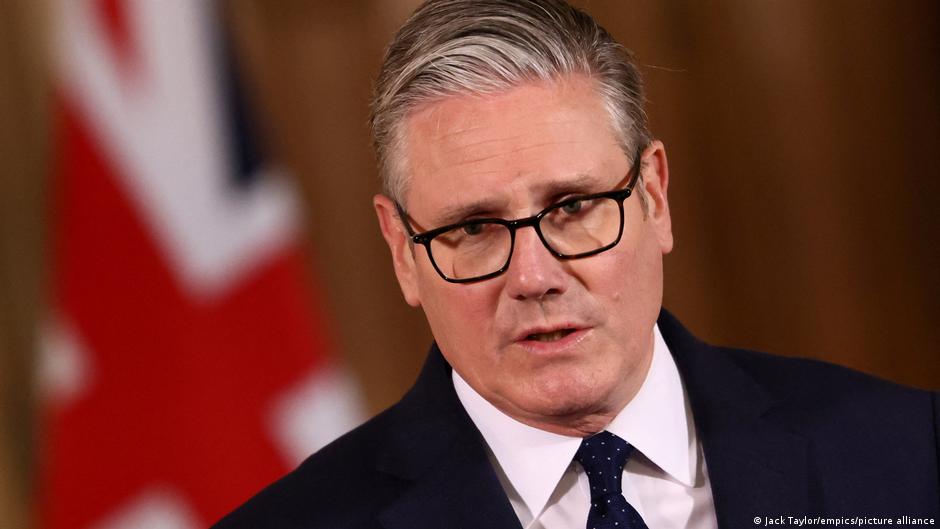
- Starmer meets Cabinet after junior ministers quit over election losses.
- Four junior ministers resign citing dissatisfaction with Starmer’s leadership.
- Starmer says he is not walking away despite mounting pressure.
British Prime Minister Keir Starmer on Tuesday reaffirmed his commitment to remain in office despite the resignation of four junior ministers following last week’s UK election losses. Starmer met with his Cabinet as internal pressure against his leadership mounted, with lawmakers demanding clarity over his future plans. A major speech on Monday, where Starmer declared he was “not walking away,” failed to quell dissent within his party. The resignations underscore growing dissatisfaction among Labour MPs over the party’s performance in the May 2 elections, which saw significant losses in local and regional contests, including former Labour strongholds in Wales and Scotland. The first to resign was junior minister Miatta Fahnbulleh, who urged Starmer to “set a timetable for an orderly transition.” She was followed by Jess Phillips, the safeguarding minister, who cited concerns over leadership direction despite calling Starmer “a good man fundamentally.” Welsh MP Alex Davies-Jones and Glasgow South West MP Zubir Ahmed also tendered resignations, citing Labour’s poor showing in the Welsh parliament and Scottish constituencies. The resignations mark the most significant challenge to Starmer’s authority since he became prime minister in July 2024 following the Labour Party’s landslide victory in the general election. ## Starmer rejects calls to step down amid internal turmoil Starmer’s office issued a statement on Tuesday reiterating his stance, calling the resignations “regrettable” but stressing his determination to lead the party forward. The prime minister has faced criticism for his handling of key policy issues, including economic recovery and public services, which contributed to Labour’s underperformance in the recent elections. Analysts note that the resignations reflect deeper divisions within the Labour Party over Starmer’s cautious approach and perceived lack of bold policy initiatives. The losses in traditionally Labour-held areas, particularly in Wales and Scotland, have raised questions about the party’s ability to retain its electoral base ahead of the next general election, expected in 2030. ## Welsh and Scottish losses highlight regional discontent The resignations from Welsh and Scottish MPs highlight growing discontent in regions that were once Labour strongholds. Alex Davies-Jones, representing a Welsh constituency, cited the party’s poor performance in the Senedd elections, where Labour lost several seats to Plaid Cymru and the Conservatives. Similarly, Zubir Ahmed, a Scottish MP, pointed to Labour’s struggles in Glasgow, where the party failed to secure key council seats. The internal party turmoil comes as Starmer prepares for a potential reshuffle to reassert control and address concerns over his leadership. While some Labour MPs have called for a leadership contest, Starmer’s allies insist he retains the support of the parliamentary Labour Party. The prime minister is expected to deliver a further statement in the coming days to outline his plans for rebuilding Labour’s electoral prospects. The next major test for Starmer will be the party’s annual conference in September, where he may face renewed calls for change if the internal unrest persists.
What You Need to Know
- Source: Deutsche Welle
- Published: May 12, 2026 at 09:45 UTC
- Category: World
- Topics: #europe · #world-news · #politics · #election · #keir-starmer
Read the Full Story
This is a curated summary. For the complete article, original data, quotes and full analysis:
All reporting rights belong to the respective author(s) at Deutsche Welle. GlobalBR News summarizes publicly available content to help readers discover the most relevant global news.
Curated by GlobalBR News · May 12, 2026
Related Articles
- Zimbabwe’s diaspora reshapes real estate and farming investment trends
- 🎉 250 Articles in World!
- Eurovision 2024 faces scrutiny over Israel’s participation amid war
🇧🇷 Resumo em Português
O primeiro-ministro britânico Keir Starmer enfrenta uma crise inédita em seu governo após a renúncia de quatro ministros juniores, em meio a derrotas eleitorais que abalam a credibilidade de seu projeto político. A saída simultânea de aliados-chave lança dúvidas sobre a estabilidade do novo governo trabalhista, eleito há menos de três meses, e expõe fissuras internas que podem minar a governança em um momento crítico para o Reino Unido.
A situação ganha relevância para o Brasil e os leitores de língua portuguesa não apenas pelo impacto nas relações internacionais, mas pela lição sobre os desafios de liderar em tempos de polarização. Starmer, que assumiu prometendo unidade, vê seu mandato ameaçado pela insatisfação de sua base e pela pressão de alas mais radicais do Partido Trabalhista, algo que lembra os dilemas enfrentados por governos progressistas no mundo todo. Para o Brasil, que recentemente reelegeu um presidente em meio a tensões políticas, a crise no Reino Unido serve como alerta sobre os riscos de uma agenda reformista ser sabotada por seus próprios aliados.
O futuro de Starmer dependerá de sua capacidade de recompor alianças ou, em caso contrário, de lidar com as consequências de uma eventual queda prematura, que poderia redefinir o cenário político europeu nos próximos anos.
🇪🇸 Resumen en Español
El primer ministro británico, Keir Starmer, resiste la embestida tras la dimisión de cuatro ministros junior, un revés que ensombrece el inicio de su mandato. Mientras el líder laborista insiste en mantenerse al frente del Gobierno, el malestar en las filas de su partido crece tras las pérdidas electorales en recientes comicios locales.
La salida de los cuatro cargos subalternos refleja tensiones internas y cuestionamientos sobre la estrategia de Starmer, que aspiraba a consolidar su liderazgo con un proyecto renovador. Para los hispanohablantes, este episodio subraya los desafíos de gobernar con mayorías ajustadas y la fragilidad de los equilibrios políticos en Europa, donde la inestabilidad puede afectar a socios clave como España en temas migratorios o comerciales.
Deutsche Welle
Read full article at Deutsche Welle →This post is a curated summary. All rights belong to the original author(s) and Deutsche Welle.
Was this article helpful?



Discussion