UK’s prime minister job is so unstable even strong leaders crash and burn fast.
- UK PMs keep failing because the job is broken
- Tax reforms die due to special interests like farmers
- Public finances wobble while big decisions get delayed
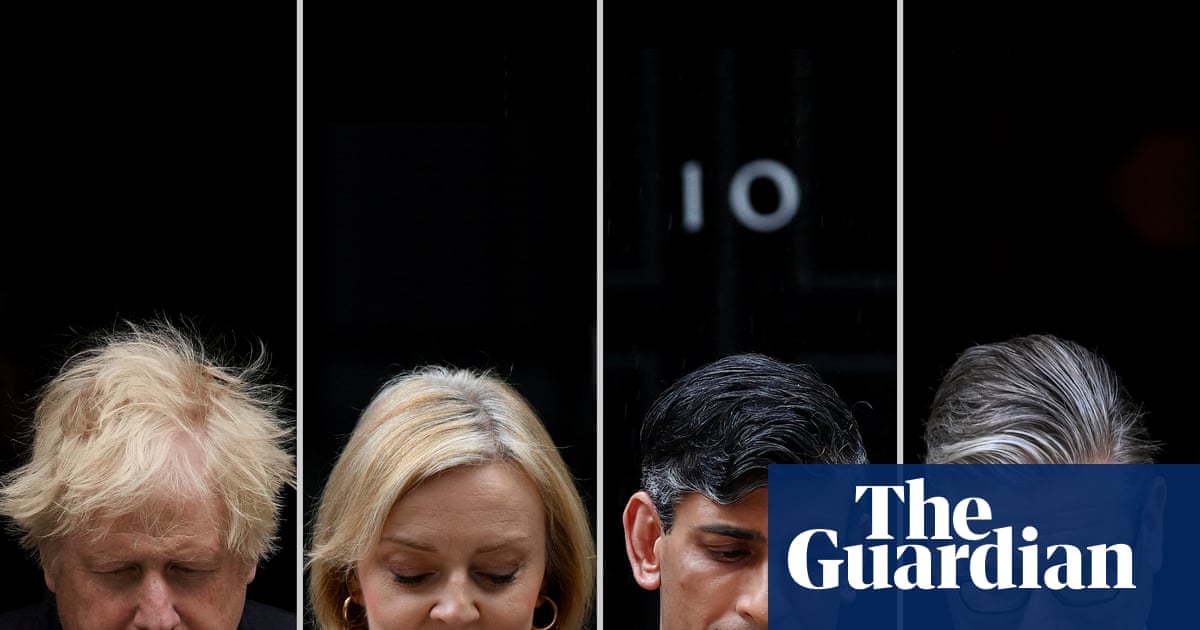
Britain’s prime ministers Liz Truss and Rishi Sunak didn’t just lose their jobs — they were wiped out fast. Truss’s 49-day reign is the shortest in history. Sunak lasted 18 months before calling it quits. Liz Truss wasn’t alone. Since 2016, Britain has cycled through five prime ministers like it’s a revolving door. Each one left in disgrace, exhaustion, or defeat. The pattern isn’t random. It’s a system breaking under its own weight.
The job is too big for the job description
The prime minister’s office is supposed to lead, decide, and deliver. Instead, it’s become a death trap for anyone who tries. The job gives one person ultimate power — but no real control. Big decisions get kicked down the road. Tax reforms stall because powerful groups like farmers block them. Social security changes get announced with fanfare, then watered down when the backlash hits. The result? The country drifts while the PM burns out.
It’s not just bad luck. The job’s design makes failure inevitable. Prime ministers inherit problems they didn’t create but must fix. They face crises — like energy shocks or inflation — with tools that don’t match the scale. Their party turns on them the moment polls dip. The media moves on the second a leader stumbles. By the time they realize they’re in over their heads, it’s too late.
The system rewards infighting, not action
British politics has turned into a blood sport. Leaders aren’t judged on what they do. They’re judged on how long they survive. Rival factions in the Conservative Party Conservative Party don’t just disagree — they plot. Ministers leak against each other. Backbenchers ambush their own leader. The energy spent on survival leaves no time for solutions.
Populists wait in the wings while this chaos plays out. Nigel Farage’s Reform UK Reform UK gains ground every time another prime minister collapses. Voters see a government that can’t govern. They look for someone — anyone — who seems decisive. The establishment’s weakness becomes the populists’ strength.
The public finances tell the story
Money is where weakness shows fastest. The UK’s debt is rising. Tax receipts are slipping. Yet every attempt at reform gets strangled. The last serious effort to simplify taxes died when farmers protested about losing subsidies. Social security changes face the same fate. Promises get made. Compromises get struck. The result? A system that’s neither fair nor efficient, but one no one dares to fix.
This isn’t just about money. It’s about trust. When the public sees a government that can’t even balance its books, faith in the system erodes. Voters stop believing their leaders can solve real problems. They stop participating. They stop caring. And that’s how democracies rot from the inside.
What happens next?
The next prime minister — whoever that is — won’t fix this overnight. The job’s flaws run deeper than any one leader. The party system is broken. The civil service is stretched thin. The public is exhausted by constant change. Without radical reform, the cycle will repeat. Another leader will rise. Another will fall. And the country will keep waiting for someone who can actually govern.
What You Need to Know
- Source: The Guardian
- Published: May 17, 2026 at 05:00 UTC
- Category: Politics
- Topics: #guardian · #politics · #government · #johnson · #truss
Read the Full Story
This is a curated summary. For the complete article, original data, quotes and full analysis:
All reporting rights belong to the respective author(s) at The Guardian. GlobalBR News summarizes publicly available content to help readers discover the most relevant global news.
Curated by GlobalBR News · May 17, 2026
Related Articles
🇧🇷 Resumo em Português
O Reino Unido parece viver uma verdadeira roleta-russa na política: em menos de oito anos, cinco primeiros-ministros caíram do poder, vítimas de um cargo que se tornou uma armadilha para líderes talentosos. A instabilidade crônica no Palácio de Downing Street não é mera coincidência, mas o reflexo de um sistema parlamentar que impõe desafios quase insuperáveis a quem ocupa o posto, colocando em xeque até mesmo os mais experientes gestores.
O fenômeno britânico, embora ocorra em um contexto de monarquia parlamentar, oferece lições importantes para o Brasil, especialmente quando se analisa a fragilidade de reformas estruturais e a polarização política que também assolam o País. Aqui, como no Reino Unido, projetos ambiciosos esbarram em interesses setoriais, orçamentos apertados e disputas internas nos partidos que minam a governabilidade. A diferença é que, enquanto os britânicos trocam PMs como quem muda de camisa, o Brasil acumula crises sem solução à vista, com o agravante de uma população cada vez mais frustrada com a incapacidade de avançar em pautas essenciais.
Se a história recente do Reino Unido serve de alerta, resta perguntar: até quando o Brasil conseguirá evitar um cenário semelhante, onde a instabilidade política se torna o novo normal?
🇪🇸 Resumen en Español
El Reino Unido acumula una sucesión vertiginosa de primeros ministros en menos de una década, un récord que invita a cuestionar si el puesto de primer ministro se ha convertido en un cargo insostenible. Desde la dimisión de Boris Johnson en 2022 hasta la inestabilidad que ha marcado el liderazgo conservador, el país parece atrapado en un ciclo de ineficacia y crisis de gobernanza.
El desgaste de los líderes británicos refleja la combinación de un sistema político polarizado, reformas institucionales débiles y una economía en jaque, donde las decisiones estratégicas chocan con luchas internas de poder. Para los hispanohablantes, este escenario recuerda a los vaivenes políticos de otras democracias occidentales, pero con un agravante: la falta de continuidad en el gobierno afecta directamente a la confianza ciudadana y a la capacidad del país para abordar desafíos globales como la inflación o la crisis energética. La pregunta que subyace es clara: ¿está el sistema británico condenado a la inestabilidad o necesita una reforma profunda para recuperar su estabilidad?
The Guardian
Read full article at The Guardian →This post is a curated summary. All rights belong to the original author(s) and The Guardian.
Was this article helpful?

Discussion