White House posts AI image of Trump as James Bond with a gun.

- White House posted AI image of Trump as James Bond Saturday
- Image shows Trump holding a gun in a 007-style suit
- Follows Trump’s past AI images of himself as the Pope and Christ
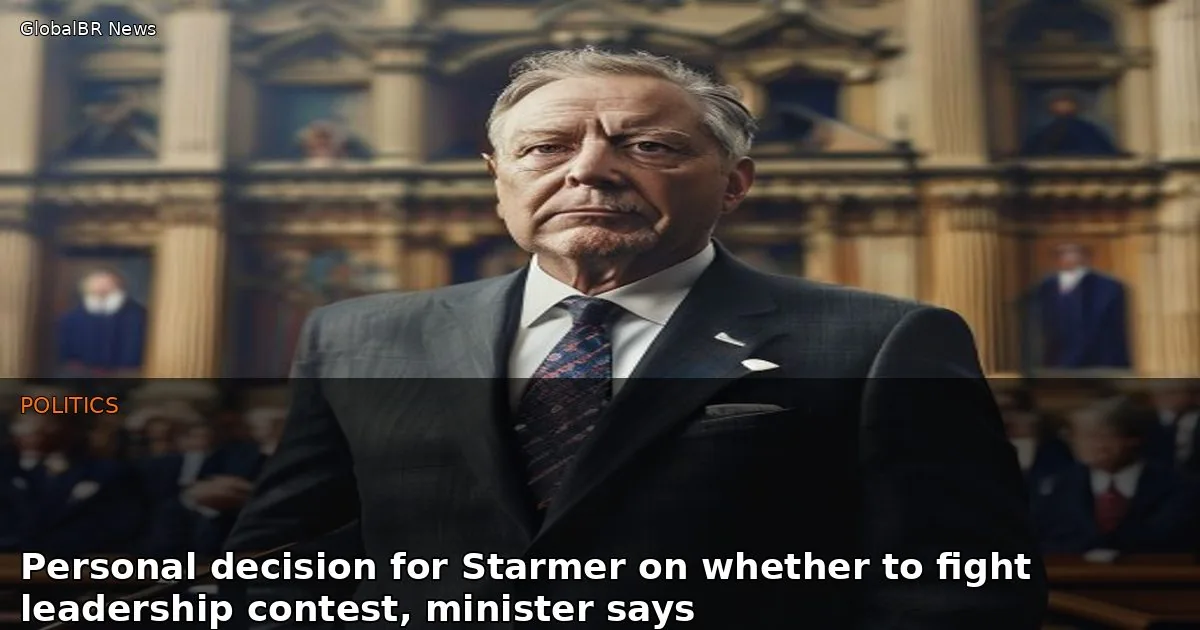
The White House posted an AI-generated image of President Donald Trump on Saturday night, but it wasn’t just any picture. The image showed Trump dressed in a classic James Bond tuxedo, holding a gun in a pose straight out of a 007 movie. The post, shared on social media, is the latest in a series of AI images Trump has shared of himself in exaggerated, dramatic roles—including as the Pope and as a Christ-like figure healing a sick man earlier this year.
The Bond image went up just hours after Trump posted a different AI-generated photo of himself on his Truth Social account, this one showing him kneeling with a young child in a church-like setting. That post came days after he posted another AI image depicting himself as the Pope. The White House didn’t immediately respond to requests for comment about why it chose to share the Bond image or whether it had any connection to official government business.
The unusual posting pattern has drawn attention from both critics and supporters. On the right, some allies framed the images as harmless, even humorous, examples of Trump’s larger-than-life persona. On the left, critics called the posts another sign of Trump’s tendency to blur the lines between reality and self-promotion, especially as he ramps up his campaign for a second term.
This isn’t the first time the White House has used social media for unconventional messaging under Trump’s leadership. The account has shared memes, pop culture references, and even AI-generated art before, often with a tone that mirrors Trump’s own social media style. The Bond image fits a pattern of the administration using digital culture to reinforce Trump’s image as a bold, action-oriented leader.
Digital culture experts say the posts reflect a growing trend of politicians and public figures using AI tools to craft their public image. Tools like Midjourney and DALL-E have made it easier than ever to generate polished, photorealistic images in minutes. For Trump, these images serve as a way to shape his narrative outside traditional media channels.
What the Bond image shows and why it matters
The AI-generated image is a clear nod to the James Bond franchise, one of the most recognizable spy characters in pop culture. James Bond, created by author Ian Fleming, is known for his suave demeanor, high-tech gadgets, and lethal combat skills. The franchise has spawned dozens of films, countless books, and a massive global fanbase. Trump’s portrayal in the image leans heavily into the Bond mythos, with the tuxedo, gun, and confident stance all designed to evoke the character’s iconic look.
Critics argue the image is more about style than substance. They point out that Trump has never served in the military or worked as a spy, yet the image frames him as a kind of action hero. Supporters, however, see it as harmless fun—a way for Trump to connect with voters who appreciate his bold personality and defiance of political norms.
The White House’s use of AI-generated images also raises questions about the role of technology in politics. AI art tools can produce convincing images in seconds, but they also make it harder to verify authenticity. In this case, the Bond image is clearly labeled as AI-generated, but that hasn’t stopped speculation about its purpose or meaning.
What happens next
It’s unclear whether this is a one-off post or part of a broader strategy. The White House has used social media in unconventional ways before, and the Bond image could simply be another example of Trump’s knack for grabbing attention. But it also fits into a larger trend of politicians using digital tools to shape their image in real time.
For now, the post has sparked debate online. Some users mocked the image, while others defended it as a clever use of modern technology. Either way, it’s another reminder of how much social media and AI are changing the way politics works—and how far some leaders will go to control their own narrative.
What You Need to Know
- Source: Variety
- Published: May 17, 2026 at 11:18 UTC
- Category: Entertainment
- Topics: #variety · #movies · #hollywood · #politics · #government · #donald-trump
Read the Full Story
This is a curated summary. For the complete article, original data, quotes and full analysis:
All reporting rights belong to the respective author(s) at Variety. GlobalBR News summarizes publicly available content to help readers discover the most relevant global news.
Curated by GlobalBR News · May 17, 2026
Related Articles
- Twickenham Film Studios, Miller Team on New Insurance Referral Service for Producers (EXCLUSIVE)
- Why indie films are struggling in 2024 and where they’re heading next
- Sundance Winner Neeraj Churi, Daniel Talbott Team on Mumbai Queer Feature ‘Starvation’ (EXCLUSIVE)
🇧🇷 Resumo em Português
A Casa Branca entrou no universo das imagens artificiais com uma publicação inusitada: uma foto gerada por IA que retrata Donald Trump como James Bond, armado e com a icônica postura do espião britânico. A postagem, que viralizou rapidamente nas redes, reforça a tendência de líderes políticos e instituições de explorar a inteligência artificial para criar narrativas visuais polêmicas ou impactantes, ainda mais quando se trata de figuras como Trump, mestre em gerar repercussão nas mídias digitais.
O uso de IA para produzir imagens não é novidade, mas a iniciativa da Casa Branca chama atenção por sua carga simbólica. Nos últimos meses, Trump já havia protagonizado montagens como a de “Cristo” e do “Papa”, que circularam amplamente em plataformas internacionais. No Brasil, onde o debate sobre deepfakes e manipulação de imagens ganha força devido a eleições e polarização política, a estratégia levanta questões sobre ética, responsabilidade no uso de ferramentas digitais e o papel da inteligência artificial na comunicação governamental. Especialistas já alertam para os riscos de desinformação, especialmente em um ano de eleições presidenciais no país.
Com a proximidade das eleições nos Estados Unidos e no Brasil, espera-se que o uso de imagens sintéticas por figuras públicas se intensifique, exigindo cada vez mais atenção do público e regulações mais rígidas para evitar abusos.
Variety
Read full article at Variety →This post is a curated summary. All rights belong to the original author(s) and Variety.
Was this article helpful?
Discussion