Friedman assesses Trump’s hawkish foreign policy shifts on Russia, China, and Iran over two terms.
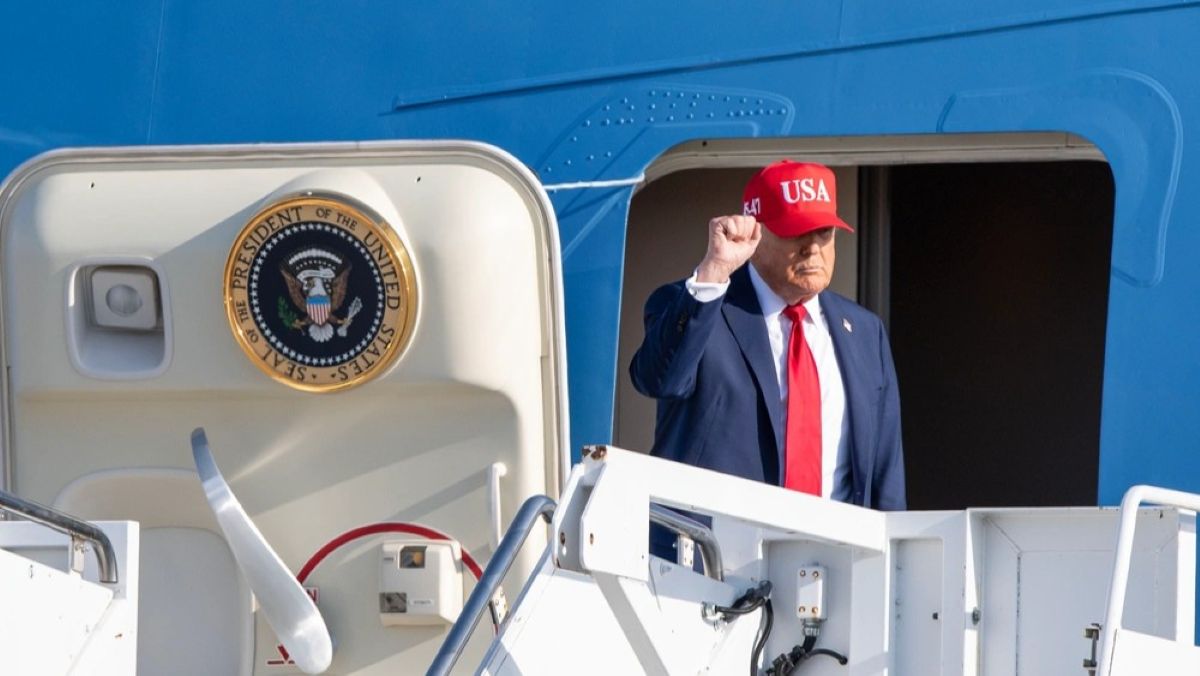
- Friedman predicted Trump’s hawkish turn in 2016 despite non-interventionist campaign promises.
- Trump’s first term showed aggressive stances on Russia, China, and Iran.
- Second-term actions reveal continued hawkish policies despite structural constraints.
In 2016, political analyst Ben Friedman argued that Donald Trump’s administration would pursue a hawkish foreign policy despite his campaign promises of non-interventionism. Structural pressures, hawkish appointees, and a rigid foreign policy bureaucracy, Friedman wrote, would push Trump toward conventional military interventionism. Ten years later, Friedman revisited his predictions in a new analysis for War on the Rocks, examining Trump’s first-term record and early moves in his second term.
Friedman’s 2016 piece, The Trump Administration Will Be Hawkish, challenged the assumption that Trump’s rhetoric signaled a departure from traditional U.S. militarism. Instead, he argued that entrenched institutions and personnel would steer policy toward confrontation, particularly with Russia, China, and Iran. His reassessment now evaluates whether those early predictions held true, as Trump’s second term unfolds amid ongoing global tensions.
Trump’s First-Term Foreign Policy: A Hawkish Turn
Trump’s first term confirmed many of Friedman’s expectations. His administration adopted aggressive postures toward Russia, China, and Iran, despite campaign promises to avoid new wars. In Europe, Trump maintained sanctions on Russia after its 2016 election interference and later approved lethal aid to Ukraine following the 2022 invasion. His China policy combined tariffs, tech restrictions, and military posturing in the Indo-Pacific, while his Iran strategy relied on maximum pressure tactics, including the 2020 drone strike killing Qasem Soleimani Qasem Soleimani.
Friedman noted that Trump’s appointees—many with neoconservative or hawkish backgrounds—played a key role in shaping policy. Figures like Secretary of State Mike Pompeo Mike Pompeo and National Security Advisor John Bolton John Bolton pushed for confrontational approaches, while Trump himself often embraced bellicose rhetoric, including threats to “obliterate” North Korea and withdraw from NATO. The result, Friedman argues, was a foreign policy that prioritized deterrence and coercion over diplomacy.
Second-Term Actions: Continuity or Escalation?
In Trump’s second term, early signs suggest continuity rather than retreat. His administration has maintained pressure on Iran, including sanctions and military responses to Houthi attacks in the Red Sea. Relations with China remain strained over trade, Taiwan, and technology, with Trump continuing tariff wars and expanding military exercises in the region. Meanwhile, Trump’s approach to Russia has hardened, particularly after the 2022 invasion of Ukraine, though his rhetoric on NATO funding has fluctuated.
Friedman highlights that structural forces—such as congressional mandates, Pentagon preferences, and global expectations—continue to constrain even a populist president. Yet Trump’s personal style, marked by unpredictable decisions and transactional diplomacy, has kept allies and adversaries guessing. His recent calls to end the Ukraine war “within 24 hours” and his fluctuating statements on NATO funding reflect a leadership style that prioritizes leverage over consistency.
Bureaucracy’s Role in Shaping Policy
Friedman emphasizes that bureaucratic inertia played a larger role than many expected in shaping Trump’s foreign policy. Despite his anti-establishment rhetoric, Trump often deferred to hawkish advisors and institutional preferences. The Pentagon, State Department, and intelligence community, Friedman argues, acted as a stabilizing force, preventing dramatic departures from U.S. strategic norms. This dynamic raises questions about how much any president can truly reshape foreign policy when faced with entrenched systems.
His analysis also underscores the limits of populist leadership in foreign affairs. Even when Trump sought to redefine U.S. commitments—such as withdrawing from the Iran nuclear deal or pressuring NATO allies—bureaucratic resistance and global realities often diluted his intentions. Friedman’s reassessment suggests that structural forces may outweigh individual leadership in shaping long-term strategy.
The Road Ahead: What’s Next for Trump’s Foreign Policy?
As Trump enters a second term, Friedman predicts continued hawkishness, particularly toward China and Iran. His administration may intensify economic pressure on Beijing while maintaining military deterrence in the South China Sea. On Iran, Friedman expects sanctions to tighten further, with potential covert actions to counter nuclear advancements. Russia policy remains the most uncertain, as Trump’s stated desire to end the Ukraine war clashes with deep-seated hawkish preferences within his team.
Friedman’s long-term view suggests that Trump’s foreign policy will likely remain transactional and unpredictable. While he may avoid new wars, his administration is unlikely to pursue the diplomatic breakthroughs some allies hope for. Instead, U.S. strategy may continue to rely on coercion, sanctions, and military signaling—a legacy of Trump’s first term that shows little sign of fading.
What You Need to Know
- Source: War on the Rocks
- Published: May 13, 2026 at 17:30 UTC
- Category: War
- Topics: #defense · #military · #geopolitics · #war · #conflict · #analyzing-trump
Read the Full Story
This is a curated summary. For the complete article, original data, quotes and full analysis:
All reporting rights belong to the respective author(s) at War on the Rocks. GlobalBR News summarizes publicly available content to help readers discover the most relevant global news.
Curated by GlobalBR News · May 13, 2026
Related Articles
- South Korea’s 500,000 Drone Warriors Will Be a Hollow Force
- Restrain and Hedge: A New U.S. Nuclear Strategy for a Two-Peer World
🇧🇷 Resumo em Português
O legado de Donald Trump na política externa, marcado por uma guinada agressiva contra Rússia, China e Irã, redefine as relações internacionais e deixa um rastro de tensões que ecoam até hoje. Enquanto o ex-presidente norte-americano prometeu na década passada um distanciamento de conflitos alheios, sua gestão foi dominada por sanções, retóricas belicistas e alianças estratégicas que surpreenderam até seus críticos mais ferrenhos.
A virada hawkish de Trump — termo que designa posturas políticas mais duras — não foi apenas uma questão de estilo, mas uma reconfiguração do papel dos EUA no tabuleiro global. Contra a Rússia, impôs sanções sem precedentes e armou a Ucrânia antes mesmo da invasão russa em 2022, enquanto com a China manteve uma guerra comercial e tecnológica que ressoa no Brasil, especialmente em setores como agronegócio e indústria. Já com o Irã, a estratégia de “pressão máxima” aproximou Washington de aliados como Israel e Arábia Saudita, isolando Teerã economicamente. Para o Brasil, essa política externa norte-americana representa tanto um desafio — pela pressão para alinhamentos — quanto uma oportunidade, caso o país consiga capitalizar as brechas deixadas pelo distanciamento entre as superpotências.
O que fica claro é que, dez anos depois, a aposta de Trump em uma diplomacia de força não só se consolidou como legado, mas também acendeu um alerta sobre os rumos de um mundo cada vez mais polarizado — e o Brasil, como potência emergente, será obrigado a navegar por essas águas turbulentas nos próximos anos.
🇪🇸 Resumen en Español
El expresidente Donald Trump dejó una huella imborrable en la geopolítica global al impulsar un giro más belicoso frente a potencias como Rusia, China e Irán, redefiniendo el tablero de alianzas y tensiones que aún resuenan en el escenario internacional. Su legado en política exterior, marcado por decisiones controvertidas y un enfoque confrontativo, sigue siendo objeto de análisis una década después de sus primeros movimientos en este ámbito.
Trump aplicó una estrategia de “máxima presión” contra Irán, endureciendo las sanciones y abandonando el acuerdo nuclear, mientras que su relación con Rusia osciló entre el acercamiento personal —como su famosa obsesión por Vladimir Putin— y la imposición de sanciones por injerencias electorales. Con China, su guerra comercial y retórica contra Pekín sentaron las bases de una rivalidad que hoy define la economía global. Para los hispanohablantes, estas políticas no solo afectan los precios de bienes clave o la seguridad energética, sino que también reflejan cómo las decisiones de Washington impactan directamente en economías latinoamericanas dependientes del comercio con Asia o el suministro de petróleo.
War on the Rocks
Read full article at War on the Rocks →This post is a curated summary. All rights belong to the original author(s) and War on the Rocks.
Was this article helpful?
Discussion