Pentagon signs deals for 10,000+ containerized missiles worth billions, testing starts June 2026.
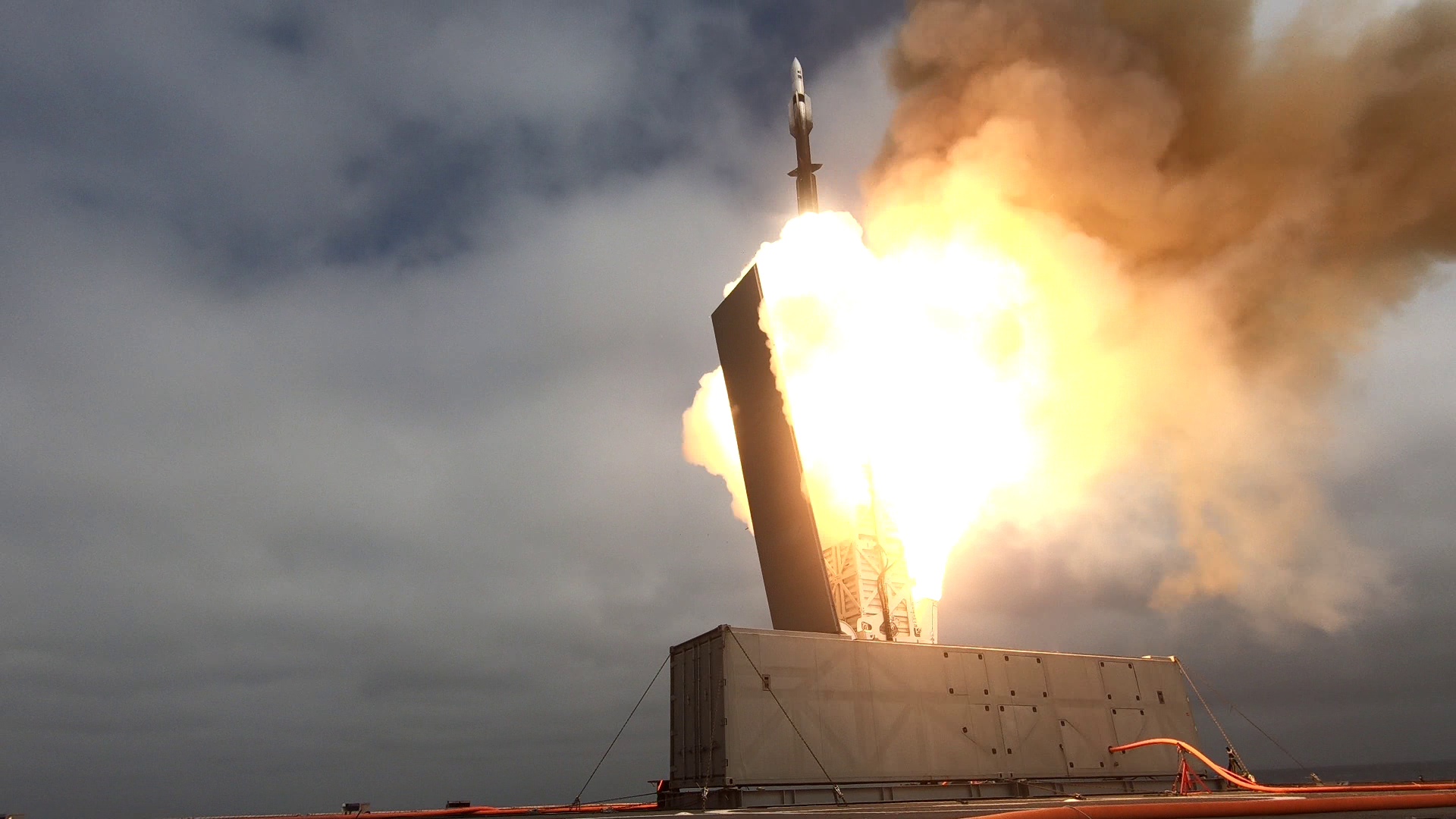
- Pentagon agrees to buy over 10,000 containerized missiles by 2027
- Four firms—Anduril, CoAspire, Leidos and Zone 5—selected for LCCM program
- Test missiles to be purchased starting June 2026
The Pentagon will announce Wednesday framework agreements with four defense contractors to secure more than 10,000 low-cost, containerized missiles over three years starting in 2027. The deals with Anduril, CoAspire, Leidos and Zone 5 officially launch the Low-Cost Containerized Munitions (LCCM) program, according to a statement obtained by Reuters ahead of its release.
Under the agreements, the Pentagon will begin purchasing test missiles from all four companies in June 2026 as part of the LCCM’s assessment phase. The statement did not disclose total costs or specify which missile systems will be involved, but confirmed the agreements set terms for future firm-fixed-price production contracts. The Army has long advocated for containerized weapons systems as a mobile, cost-effective way to deploy missiles quickly in contested environments.
LCCM program aims to modernize missile deployment
The LCCM initiative reflects the Pentagon’s push to modernize missile deployment using standardized, container-based systems that can be rapidly transported and launched. Containerized missiles allow for faster deployment and reduced logistical burdens compared to traditional launch platforms, according to defense analysts. The Army has emphasized these systems as a way to enhance operational flexibility while lowering costs.
While the Pentagon did not release cost estimates, industry observers estimate the total value of the potential contracts could reach billions over the three-year period. The framework agreements set the stage for competitive production contracts, allowing the Pentagon to select the most cost-effective solutions as the program develops. The test phase beginning in mid-2026 will help determine which systems meet performance and affordability standards.
Firms selected for Pentagon’s containerized missile program
Anduril, CoAspire, Leidos and Zone 5 were chosen for the LCCM program following a competitive selection process. Each company brings different technical approaches to containerized missile systems, though specific weapon configurations were not detailed in the Pentagon’s statement. The inclusion of these firms highlights a shift toward diversifying suppliers in missile defense programs.
Defense officials have framed the LCCM program as part of broader efforts to counter evolving threats from peer competitors, particularly in the Indo-Pacific region. Containerized missiles offer a scalable response to regional conflicts, enabling rapid reinforcement of allied forces with minimal infrastructure. The Pentagon’s strategy aligns with recent military exercises testing containerized launch systems in real-world scenarios.
The Pentagon’s move comes as the U.S. military seeks to accelerate procurement of lower-cost, modular weapon systems. Military leaders have cited containerized missiles as a way to maintain technological superiority while managing budget constraints. The LCCM program is expected to complement existing missile defense programs, including those focused on hypersonic and cruise missile threats.
Looking ahead, the Pentagon plans to issue full production contracts under the framework agreements, with deliveries of operational missiles slated to begin in 2027. The success of the test phase will determine which systems advance to full-scale production. Military analysts say the program could set new standards for missile deployment efficiency and cost management in future conflicts.
What You Need to Know
- Source: Defense News
- Published: May 13, 2026 at 15:00 UTC
- Category: War
- Topics: #defense · #military · #pentagon · #war · #weapons · #wednesday
Read the Full Story
This is a curated summary. For the complete article, original data, quotes and full analysis:
All reporting rights belong to the respective author(s) at Defense News. GlobalBR News summarizes publicly available content to help readers discover the most relevant global news.
Curated by GlobalBR News · May 13, 2026
Related Articles
🇧🇷 Resumo em Português
O Pentágono anunciou um megacontrato de US$ 3 bilhões para a compra de mais de 10 mil mísseis containerizados, uma jogada estratégica que redefinirá os estoques de defesa dos EUA e pode deixar o Brasil e outros países sul-americanos em alerta. Com a promessa de custos reduzidos e entrega a partir de 2027, a iniciativa coloca em evidência a modernização das capacidades militares americanas em um cenário global cada vez mais tenso, onde a dissuasão convencional ganha nova importância.
O acordo, firmado com as empresas Anduril, CoAspire, Leidos e Zone 5, sinaliza uma mudança no paradigma de armamento: mísseis projetados para serem lançados a partir dos chamados contêineres inteligentes, que permitem maior mobilidade, menor custo de manutenção e integração com sistemas de inteligência artificial. Para o Brasil, que recentemente tem reforçado sua postura de dissuasão na Amazônia e no Atlântico Sul, a notícia serve como um lembrete da crescente corrida tecnológica na defesa. Além disso, o modelo pode inspirar ou pressionar nações vizinhas a acelerarem seus próprios programas, enquanto os EUA consolidam sua liderança em sistemas de mísseis de médio alcance — uma categoria que o Brasil também tem buscado desenvolver.
O próximo passo será monitorar como o Pentágono distribuirá esses armamentos e se a América do Sul se tornará um foco de atenção em futuras negociações de segurança regional.
🇪🇸 Resumen en Español
El Pentágono ha anunciado un megacontrato de defensa por 3.000 millones de dólares para adquirir más de 10.000 misiles de bajo coste almacenados en contenedores, un movimiento que redefine la estrategia armamentística de EE.UU. frente a las crecientes tensiones geopolíticas. La decisión, que entrará en vigor en 2027, marca un giro hacia sistemas más ágiles y escalables, diseñados para ser desplegados con rapidez en escenarios de alta intensidad.
Este acuerdo, liderado por empresas como Anduril y Leidos, responde a la necesidad de modernizar el arsenal estadounidense con municiones más económicas y fáciles de transportar, en un contexto donde la rivalidad con China y Rusia exige respuestas rápidas. Para los hispanohablantes, especialmente en Europa y Latinoamérica, la noticia subraya cómo la innovación militar en EE.UU. puede alterar el equilibrio estratégico global, influyendo en políticas de seguridad y alianzas internacionales. Además, refleja la creciente inversión en tecnología disruptiva, un tema clave para entender el futuro de los conflictos y la industria de defensa.
Defense News
Read full article at Defense News →This post is a curated summary. All rights belong to the original author(s) and Defense News.
Was this article helpful?


Discussion