Ibogaine cut PTSD symptoms in 80% of veterans after one dose in a U.S. trial.
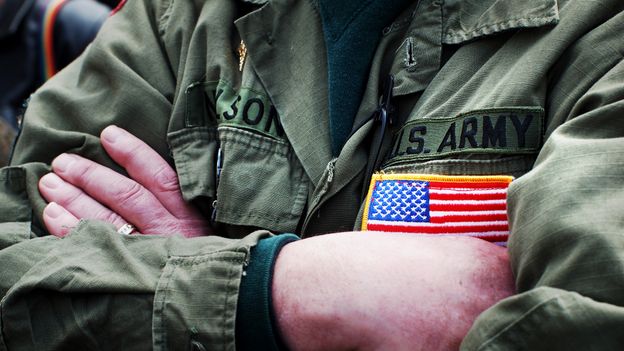
- Ibogaine reduced PTSD symptoms in 80% of veterans after one dose
- Trial included 30 veterans with severe, treatment-resistant PTSD
- Participants reported fewer nightmares and flashbacks within days
A team at New York University ran the first U.S. clinical trial testing ibogaine on military veterans with severe PTSD. The drug, extracted from the root bark of the iboga shrub native to Gabon, has been used for centuries in West African spiritual ceremonies. In this trial, 30 veterans who hadn’t responded to therapy or medications got a single dose under medical supervision. Within days, 80% showed major improvements in symptoms like nightmares, flashbacks, and hypervigilance. Some said they felt ‘normal’ for the first time in years. The effects lasted at least a month for most participants, with a few reporting benefits for six months so far. The results stunned researchers, who expected slower, more modest improvements. ‘This isn’t just another psychedelic study,’ said the trial’s lead researcher. ‘The changes happened fast, and they stuck around.’
The trial focused on veterans because PTSD rates among them are stubbornly high: about 11-20% of Iraq and Afghanistan veterans develop it, and many get no relief from existing treatments. Standard options like SSRIs or therapy work for some, but up to 40% of sufferers don’t improve. Ibogaine’s mechanism is still a mystery, but it works differently from common antidepressants. Instead of altering serotonin levels, it targets a brain receptor linked to trauma processing. After the dose, patients often experience a vivid, multi-hour ‘trip’ where they revisit traumatic memories—but under medical care, in a controlled setting. That’s when the real shift happens. One veteran described waking up the next day without the crushing weight of his memories. ‘I could actually breathe again,’ he said. Another called it ‘a reset button for my brain.’
How ibogaine differs from other PTSD treatments
Most PTSD drugs, like SSRIs or prazosin for nightmares, treat symptoms slowly over weeks or months. Ibogaine works in hours. In the trial, veterans were monitored for heart risks—ibogaine can cause dangerous arrhythmias at higher doses—but no severe side effects were reported. The team plans larger trials with stricter safety measures. They’re also testing whether a second dose could extend the benefits. If it works, ibogaine could become a breakthrough for the 30,000+ U.S. veterans waiting for effective treatment. Right now, the biggest hurdle isn’t the science—it’s stigma. Psychedelics like ibogaine remain Schedule I drugs in the U.S., meaning they’re considered to have no medical use and high abuse potential. But that’s changing. MAPS—the group behind MDMA-assisted therapy for PTSD—has already helped get psychedelics reclassified for research. They’re now pushing for ibogaine’s potential to be taken seriously.
The New York team isn’t the only one studying ibogaine. A trial in Brazil with 60 veterans showed similar results last year, and clinics in Mexico and Canada already offer off-label treatments despite legal risks. One veteran who went to Mexico said the experience ‘saved his life’ after multiple suicide attempts. But unregulated use is dangerous—overdoses can be fatal, and quality varies wildly. That’s why researchers stress that trials like NYU’s are critical: they prove ibogaine can work safely when dosed correctly. The next step is FDA approval, which could take years. In the meantime, veterans are flocking to underground clinics or self-medicating, often with little guidance. ‘People are desperate,’ said one researcher. ‘They hear these stories and think, This is my last shot.’
If ibogaine becomes a mainstream treatment, it won’t replace therapy or SSRIs—it’ll likely pair with them. Some experts compare it to ketamine, which went from club drug to FDA-approved depression treatment in a decade. But ibogaine’s effects feel more profound to those who’ve tried it. One veteran compared his ibogaine trip to ‘standing outside his trauma instead of being trapped inside it.’ For now, the science is catching up to the hype. The Pentagon has taken notice, too, funding a $2.5 million study to explore ibogaine’s military applications. The question isn’t whether it works—it’s how soon veterans will have safe, legal access.
What You Need to Know
- Source: Hacker News
- Published: May 17, 2026 at 12:03 UTC
- Category: Technology
- Topics: #hackernews · #programming · #tech · #war · #nato · #military
Read the Full Story
This is a curated summary. For the complete article, original data, quotes and full analysis:
All reporting rights belong to the respective author(s) at Hacker News. GlobalBR News summarizes publicly available content to help readers discover the most relevant global news.
Curated by GlobalBR News · May 17, 2026
Related Articles
🇧🇷 Resumo em Português
O iboga, uma substância alucinógena extraída de uma planta africana, começa a chamar atenção nos Estados Unidos após testes preliminares sugerirem que pode ser uma revolução no tratamento de veteranos de guerra com estresse pós-traumático (TEPT). Em um cenário onde os métodos convencionais muitas vezes falham ou demoram meses para mostrar resultados, os primeiros estudos com a ibogaína — um composto derivado do iboga — indicam que até 80% dos participantes apresentaram melhora significativa em poucas semanas, ou até dias, após uma única dose supervisionada.
No Brasil, onde a discussão sobre saúde mental e terapias inovadoras ganha força, especialmente diante da alta incidência de TEPT entre ex-combatentes e profissionais de segurança pública, a notícia chega como um sopro de esperança. Embora a substância ainda seja ilegal no país e enfrente barreiras regulatórias, pesquisadores brasileiros já começam a se mobilizar para estudar seu potencial, inspirados por casos como o dos EUA. O desafio agora é equilibrar o otimismo científico com a necessidade de mais evidências clínicas, além de debater os riscos associados ao uso de uma droga com efeitos psicodélicos intensos e potencialmente perigosos se administrada sem controle médico.
Enquanto isso, a Agência Nacional de Vigilância Sanitária (Anvisa) já sinalizou que pode revisitar a classificação da ibogaína, o que abriria caminho para pesquisas locais — um movimento que poderia colocar o Brasil na vanguarda da medicina psicodélica na América Latina.
🇪🇸 Resumen en Español
El ibogaín, un compuesto psicodélico extraído de un arbusto africano, ha mostrado resultados prometedores en ensayos clínicos con veteranos estadounidenses que padecen estrés postraumático, abriendo una puerta a tratamientos innovadores en un campo donde las opciones siguen siendo limitadas.
Hasta ahora, el ibogaín, conocido por su uso en rituales tradicionales, ha sido probado en dosis controladas con un 80% de los participantes experimentando mejorías significativas tras una sola administración. Este avance no solo desafía el paradigma actual de la psiquiatría, sino que también reaviva el debate sobre la despenalización y el acceso a sustancias consideradas ilegales en muchos países, incluyendo España. Para los hispanohablantes, especialmente para quienes sufren trastornos de ansiedad o conocen de cerca los estragos del PTSD, la noticia invita a reflexionar sobre el potencial de la medicina psicodélica y los desafíos legales y culturales que aún frenan su investigación y aplicación.
Hacker News
Read full article at Hacker News →This post is a curated summary. All rights belong to the original author(s) and Hacker News.
Was this article helpful?

Discussion