US weighs charging Raúl Castro while offering €85M aid tied to Catholic Church distribution in Cuba’s energy crisis.
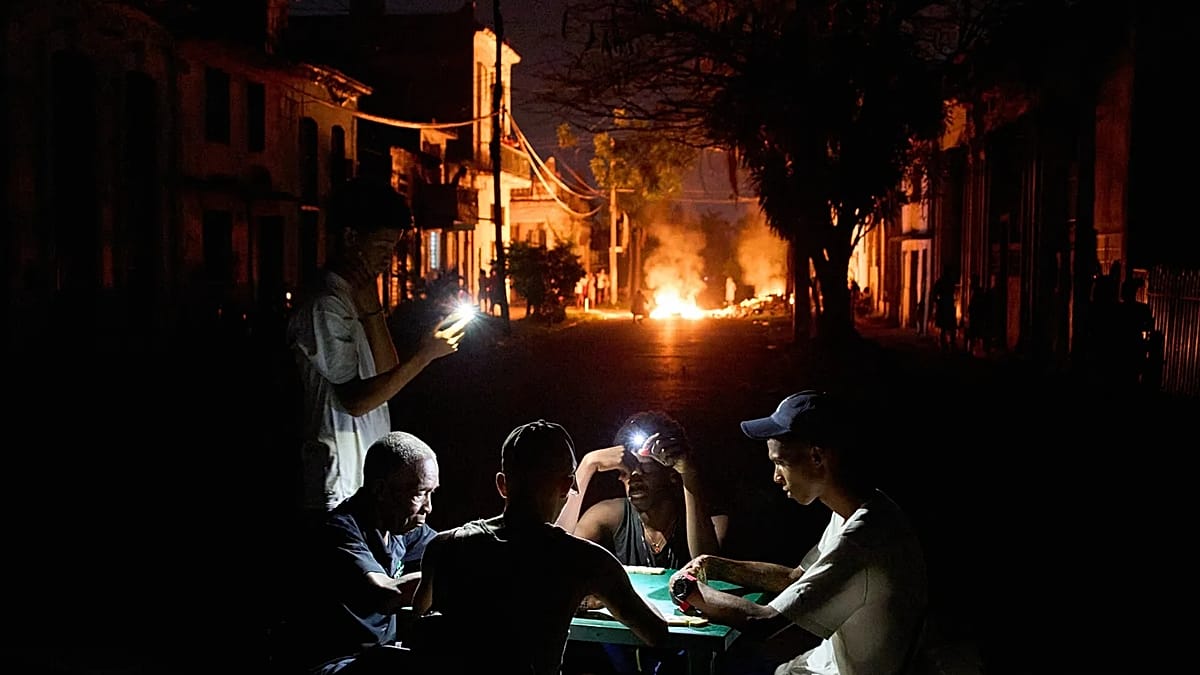
- US reportedly considers indicting ex-president Raúl Castro over Cuba’s energy crisis
- Secretary of State Marco Rubio offers €85M in aid with church distribution terms
- Cuba faces worsening blackouts and fuel shortages amid economic strain
The U.S. Department of Justice is reportedly reviewing evidence to indict Cuba’s former president Raúl Castro Raúl Castro as the communist-run island faces a deepening energy crisis. According to sources cited by multiple news outlets, the move comes as Cuba suffers from daily blackouts, fuel rationing, and economic instability exacerbated by U.S. sanctions and global energy price surges.
Secretary of State Marco Rubio Marco Rubio announced Tuesday that the U.S. is prepared to provide €85 million in humanitarian aid to Cuba, but only if it is distributed by the Catholic Church and other independent religious groups. The condition aims to bypass Cuba’s communist government, which has long controlled resource allocation. Rubio stated that the aid would target food, medicine, and energy-related assistance amid worsening shortages.
Cuba’s energy crisis has intensified in recent months, with power outages lasting up to 12 hours in some provinces. State-run utility company Unión Eléctrica reported daily electricity deficits of more than 1,000 megawatts, forcing rolling blackouts across the island. The shortages stem from a combination of aging infrastructure, reduced fuel imports from Venezuela, and the impact of U.S. sanctions targeting Cuba’s energy sector.
Analysts say the energy shortages have triggered public unrest, with protests erupting in several cities over the past year. The Cuban government has responded with increased repression, arresting dozens of demonstrators and tightening internet restrictions to curb dissent. Human rights groups report a rise in arbitrary detentions and police violence against critics of the regime.
The proposed U.S. aid package includes funding for generators, solar panels, and medical equipment to alleviate immediate shortages. However, critics argue that the conditions attached to the aid could further strain relations between Washington and Havana. Cuba’s government has long rejected foreign aid tied to political concessions, labeling such offers as interference in internal affairs.
Rubio, a vocal critic of Cuba’s communist leadership, framed the aid proposal as a lifeline for the Cuban people rather than the government. “This assistance is for the Cuban people, not the regime,” he said. The secretary of state also called on regional allies to pressure Havana to allow greater political freedoms and economic reforms.
The potential indictment of Raúl Castro would mark a significant escalation in U.S. efforts to hold Cuban leaders accountable for human rights abuses and repression. While Castro stepped down as president in 2018, he remains a powerful figure in Cuba’s ruling Communist Party. Legal experts caution that any prosecution would face significant diplomatic and logistical hurdles, including Cuba’s refusal to extradite its citizens.
U.S. Sanctions and Cuba’s Economic Decline
The U.S. has imposed multiple rounds of sanctions on Cuba since 2019, targeting its energy sector, tourism, and foreign investments. These measures were tightened under the Trump administration and largely maintained by the Biden administration, despite calls from some lawmakers to ease restrictions. The sanctions have contributed to fuel shortages and higher costs for imported goods, deepening economic hardship for ordinary Cubans.
Cuba’s economy, heavily dependent on imports and tourism, has struggled since the COVID-19 pandemic halted international travel. The collapse of Venezuela’s oil exports—a key source of subsidized fuel for Cuba—has further strained the island’s energy supply. The government has responded by implementing strict rationing policies, prioritizing fuel for essential services like hospitals and public transportation.
International Response and Humanitarian Concerns
The European Union has called for dialogue to address Cuba’s humanitarian crisis, emphasizing the need for unrestricted aid delivery. Meanwhile, countries like Mexico and Argentina have offered limited medical and food assistance without political conditions. The United Nations has warned that Cuba’s energy shortages could lead to a broader social and economic collapse if left unaddressed.
Humanitarian organizations report that malnutrition rates are rising, particularly among children and the elderly, due to food shortages and collapsing supply chains. Hospitals face critical shortages of basic medicines, and power outages have disrupted life-saving medical equipment. The Cuban government has acknowledged the crisis but blames it on external factors, including U.S. sanctions and global energy markets.
What Happens Next
The U.S. is expected to finalize its decision on whether to pursue charges against Raúl Castro in the coming weeks, following a review of legal and diplomatic implications. Meanwhile, the aid package remains under negotiation with the Catholic Church, which has historically played a mediating role in Cuba’s civil society. The church has welcomed the offer but warned that distribution challenges could limit its impact.
For Cuba, the crisis shows no signs of abating as long as fuel imports remain constrained and domestic energy production lags. The government has announced plans to expand renewable energy projects, but experts say these efforts will take years to yield results. In the short term, Cubans are bracing for more blackouts and economic hardship as the country navigates one of its worst crises in decades.
What You Need to Know
- Source: Euronews
- Published: May 15, 2026 at 06:35 UTC
- Category: World
- Topics: #euronews · #europe · #world-news · #politics · #government · #cuba
Read the Full Story
This is a curated summary. For the complete article, original data, quotes and full analysis:
All reporting rights belong to the respective author(s) at Euronews. GlobalBR News summarizes publicly available content to help readers discover the most relevant global news.
Curated by GlobalBR News · May 15, 2026
Related Articles
- US proposes 40% cut in Colorado River water for 3 states amid drought
- UK insurers charge more or refuse cover for Chinese EVs like Jaecoo
- Trump urges Taiwan to avoid independence amid rising China tensions
🇧🇷 Resumo em Português
O governo dos Estados Unidos estuda abrir um processo criminal contra Raúl Castro, ex-presidente de Cuba, em meio a uma crise energética sem precedentes no país, marcada por apagões diários e escassez de combustível que paralisam a economia. A medida, ainda em análise pelo Departamento de Justiça norte-americano, surge após denúncias de violações de direitos humanos e suposto uso de recursos energéticos cubanos para fins políticos, agravando a já crítica situação da população.
A decisão dos EUA ganha relevância para o Brasil e os falantes de português ao reacender o debate sobre a crise humanitária em Cuba e suas implicações regionais, especialmente em um momento de retomada de relações diplomáticas entre nações latino-americanas. Além disso, a proposta de auxílio norte-americano — condicionado à distribuição por organizações religiosas — levanta questões sobre a eficácia de sanções e ajuda externa em regimes autoritários. Especialistas alertam que a medida pode endurecer ainda mais o governo cubano e aumentar o sofrimento da população, que já enfrenta filas intermináveis por alimentos e remédios.
Se confirmada, a ação judicial contra Raúl Castro poderia redefinir a política externa dos EUA em relação a Cuba e servir de alerta para outros líderes regionais, enquanto a ilha caribenha caminha para um colapso ainda maior de sua infraestrutura.
🇪🇸 Resumen en Español
El gobierno de Estados Unidos estudia presentar cargos contra el exmandatario cubano Raúl Castro en medio de una crisis energética que agrava los apagones y la escasez de combustible en la isla. La posible medida legal coincide con la propuesta de Washington de enviar ayuda humanitaria, condicionada a su distribución por parte de la Iglesia católica, en un intento por aliviar la precaria situación que vive la población cubana.
La iniciativa estadounidense refleja un endurecimiento en la política hacia La Habana, donde la crisis económica —agravada por la caída de subsidios venezolanos y el colapso de su sistema eléctrico— ha provocado protestas sociales y un éxodo masivo. Para los hispanohablantes, especialmente para los cubanos y sus comunidades en el exterior, este escenario subraya los desafíos humanitarios y políticos que enfrenta la isla, así como las tensiones entre EE.UU. y el régimen cubano, en un contexto donde la supervivencia cotidiana de millones de personas pende de un hilo.
Euronews
Read full article at Euronews →This post is a curated summary. All rights belong to the original author(s) and Euronews.
Was this article helpful?


Discussion