US elections might push Russia-Ukraine ceasefire as war hits fourth-year mark.
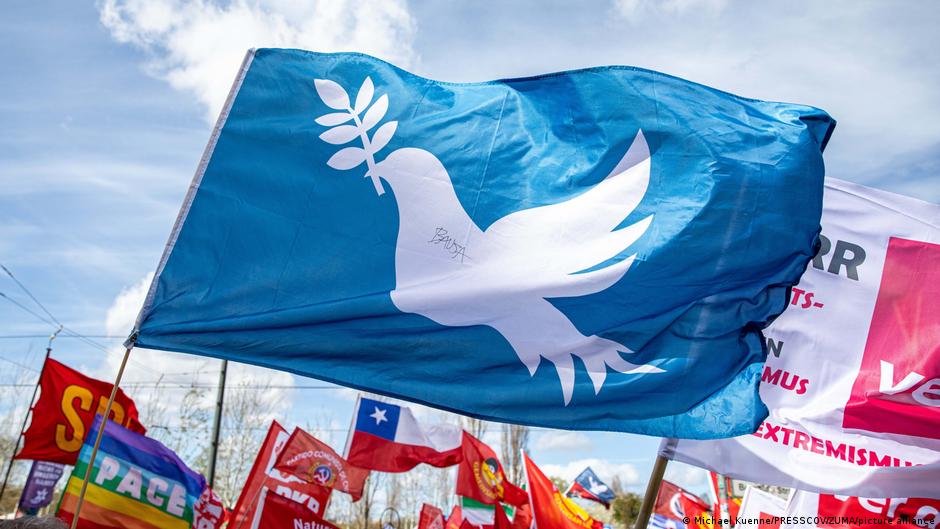
- US midterm elections could influence Russia-Ukraine ceasefire talks
- Frontline stalemate persists after four years of war
- Analysts cite shifting Western support and rising costs for Russia
Four years since Russia’s full-scale invasion of Ukraine, Western military analysts and US political experts now believe the war could be nearing an end. Speaking at the Kyiv Security Forum in April, they pointed to the upcoming US midterm elections as a potential turning point that could push both sides toward a ceasefire. The war, which has cost tens of thousands of lives and reshaped global geopolitics, has entered its fifth year with no clear victor in sight.
Frontline deadlines and shifting Western support
The current stalemate along the front lines shows no sign of breaking. Neither Russia nor Ukraine has made significant territorial gains in months, despite heavy casualties on both sides. Ukraine has increasingly targeted Russian oil export infrastructure inside Russia, aiming to cripple Moscow’s war funding. Meanwhile, Russia has benefited from surging oil and gas prices, easing the economic strain of international sanctions. Analysts warn that Kyiv’s fear of reduced Western weapons supplies—particularly from the US—could force Ukraine into negotiations.
Domestic pressures on both sides
In Russia, President Vladimir Putin’s approval ratings are reportedly dropping amid rising discontent over mobile internet blackouts and economic strain. The Kremlin has faced growing public frustration, though dissent remains heavily suppressed. Ukraine, meanwhile, continues to brace for a prolonged conflict, with President Volodymyr Zelenskyy calling for sustained international aid. Western military observers note that Russia’s ability to sustain operations may hinge on its energy revenues, which have surged due to global market shifts.
US politics and the ceasefire question
US experts at the Kyiv Security Forum highlighted the November midterm elections as a potential catalyst. A shift in Congress could alter Washington’s military and financial support for Ukraine, leading both sides to reassess their positions. Some analysts suggest that a Republican-controlled House or Senate might push for negotiations to reduce spending, while others warn that prolonged conflict could further destabilize Europe and global energy markets. The Biden administration has pledged continued backing for Kyiv, but domestic political pressure is mounting.
Global focus shifts, but risks remain
As the world’s attention remains fixed on the Israel-Iran conflict, Ukraine’s war risks fading from headlines. Yet the consequences of a prolonged stalemate could be severe. A frozen conflict risks leaving millions displaced, while sanctions continue to strain the global economy. Military analysts warn that any ceasefire would likely be fragile, with both sides retaining the capacity for renewed offensives. The coming months will test whether diplomacy can outpace the battlefield.
With no immediate resolution in sight, the war’s outcome may hinge on two factors: the resilience of Western support and the Kremlin’s ability to maintain public backing. Until then, Ukraine remains on the front lines of a conflict that has reshaped the post-Cold War order.
What You Need to Know
- Source: Deutsche Welle
- Published: May 13, 2026 at 10:01 UTC
- Category: World
- Topics: #europe · #world-news · #war · #conflict · #ceasefire
Read the Full Story
This is a curated summary. For the complete article, original data, quotes and full analysis:
All reporting rights belong to the respective author(s) at Deutsche Welle. GlobalBR News summarizes publicly available content to help readers discover the most relevant global news.
Curated by GlobalBR News · May 13, 2026
Related Articles
- Eurovision 2024 faces scrutiny over Israel’s participation amid war
- US proposes 40% cut in Colorado River water for 3 states amid drought
- US-Nigeria joint strike kills ISIS leader in West Africa: Report
🇧🇷 Resumo em Português
Quatro anos após o início da invasão russa à Ucrânia, o mundo assiste a um cenário de guerra prolongada, mas com um fator decisivo no horizonte: as eleições presidenciais nos Estados Unidos, marcadas para novembro, podem redefinir os rumos do conflito. Com o fronte ucraniano estagnado e a população local exausta após anos de combates, a possibilidade de um cessar-fogo ganha força, embora analistas alertem para os riscos de uma solução negociada ainda frágil.
O Brasil, como observador atento aos desdobramentos geopolíticos que impactam a economia global, tem motivos para acompanhar de perto as eleições americanas, pois qualquer mudança na política externa dos EUA em relação à Ucrânia poderia alterar o fornecimento de armas, os acordos comerciais e até os preços de commodities como trigo e fertilizantes, essenciais para o agronegócio brasileiro. Além disso, a postura brasileira nas Nações Unidas e nas discussões sobre soberania territorial ressoa em um momento em que o país busca reafirmar seu papel no cenário internacional.
Se Donald Trump ou outro candidato com viés mais isolacionista vencer, o auxílio militar à Ucrânia poderia ser reduzido, pressionando Kiev a buscar negociações com Moscou. Por outro lado, a manutenção do apoio atual manteria a Ucrânia na defensiva, adiando qualquer perspectiva de paz. De qualquer forma, a guerra deve seguir como pano de fundo nas relações internacionais pelos próximos meses.
🇪🇸 Resumen en Español
El conflicto en Ucrania cumple cuatro años inmerso en un punto muerto que podría verse alterado por el resultado de las elecciones legislativas en Estados Unidos, donde el futuro apoyo militar y económico a Kiev está en juego. La contienda, que se prolonga por la incapacidad de ambos bandos para imponerse claramente en el frente, se ha convertido en un pulso geopolítico con consecuencias globales.
Analistas advierten que una victoria de los republicanos, más escépticos sobre el envío de fondos adicionales a Ucrania, podría debilitar la posición negociadora de Kiev, mientras que una reafirmación del respaldo demócrata mantendría la presión sobre Moscú. La estabilidad en Europa del Este, el impacto de las sanciones económicas y el riesgo de una escalada nuclear siguen siendo temas candentes para los hispanohablantes, especialmente en un contexto de crisis energética y alimentaria que ya afecta a regiones como Latinoamérica.
Deutsche Welle
Read full article at Deutsche Welle →This post is a curated summary. All rights belong to the original author(s) and Deutsche Welle.
Was this article helpful?

Discussion