London police grant extra powers for 100,000-protester marches amid FA Cup final chaos.
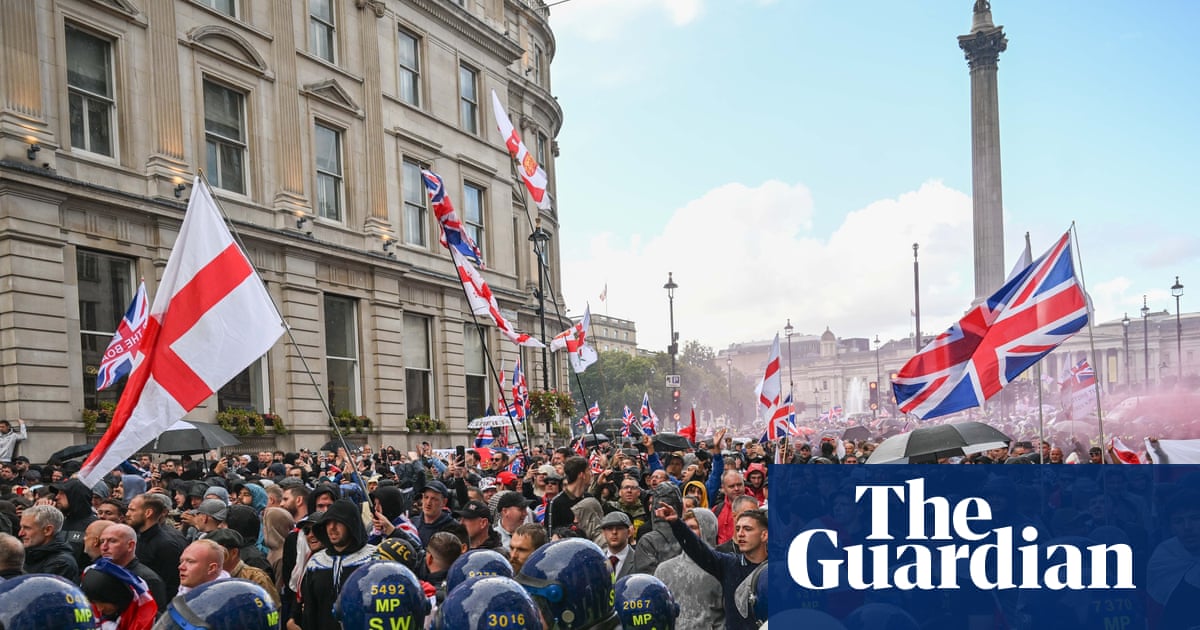
- Police prepare for largest London operation in years
- Far-right Unite the Kingdom march led by Tommy Robinson
- Pro-Palestine protesters also set to flood capital
British authorities are mounting one of their most ambitious public order operations in recent years as London braces for two major demonstrations on Saturday: a far-right march organized by Tommy Robinson and a pro-Palestine rally, both scheduled for the same day as the FA Cup final at Wembley Stadium. Police sources told The Guardian that officers across central London have been granted enhanced powers to manage the competing crowds and potential flashpoints.
The far-right group Unite the Kingdom (UTK) is leading the march under the leadership of Stephen Yaxley-Lennon, the activist better known as Tommy Robinson. The group’s route is expected to pass key landmarks, including Parliament Square and Whitehall, raising concerns about disruption to emergency services and public transport. Meanwhile, pro-Palestine groups have announced a separate but parallel demonstration, also drawing tens of thousands.
Police deploy extra resources
The Metropolitan Police have confirmed they are implementing a “high-visibility” policing strategy, including deploying additional officers from neighboring forces under mutual aid agreements. Roads around Westminster and the City of London are expected to face closures, with Transport for London advising commuters to plan alternative routes. The force has also activated its public order command units, including the controversial Public Order Act 2023 powers, which allow faster dispersal of unauthorized gatherings and stricter penalties for disruptive behavior.
Authorities have cited intelligence suggesting a risk of violent confrontations between the two protest groups, as well as isolated attempts to target police lines or disrupt critical infrastructure. In response, barriers and exclusion zones are being erected along key routes, particularly near government buildings and media headquarters. Officers have been briefed on de-escalation tactics, though some officers are reportedly on high alert for potential ambushes or coordinated attacks.
Political reactions and public safety concerns
The timing of the protests has drawn criticism from some lawmakers, who argue that the FA Cup final—a major national sporting event—should not be overshadowed by political unrest. Prime Minister’s official spokesperson declined to comment on the operational decisions but reiterated the government’s support for “peaceful protest within the law.” Meanwhile, human rights groups have warned that heavy-handed policing could escalate tensions, pointing to recent controversies over stop-and-search practices and protest policing in the UK.
The Home Office has stated that all demonstrations must comply with public order laws, and organizers of both marches have been required to submit detailed plans in advance. Failure to adhere to conditions could result in last-minute cancellations or arrests. Police have also increased surveillance in areas with high protester concentrations, using drones and plainclothes officers to monitor for suspicious activity.
What happens next?
As kickoff at Wembley approaches, tensions are expected to rise in central London. Police commanders are holding emergency briefings with community leaders, faith groups, and local councils to mitigate risks. Residents in affected areas have been urged to stay indoors where possible, while businesses near protest routes have boarded up windows and removed valuables. Emergency services are on standby, with hospitals and fire stations preparing for potential surges in callouts.
This operation marks a critical test for London’s policing model, which has faced scrutiny following high-profile incidents involving protester-police clashes in recent years. The outcome could influence future public order strategies, particularly as social and political divisions deepen across the country.
What You Need to Know
- Source: The Guardian
- Published: May 15, 2026 at 17:10 UTC
- Category: Politics
- Topics: #guardian · #politics · #palestine · #london-officers · #british
Read the Full Story
This is a curated summary. For the complete article, original data, quotes and full analysis:
All reporting rights belong to the respective author(s) at The Guardian. GlobalBR News summarizes publicly available content to help readers discover the most relevant global news.
Curated by GlobalBR News · May 15, 2026
Related Articles
- Reform UK takes Wakefield Council leadership amid local reactions
- Down and then out in Paris and London? Why Starmer isn’t the only one with a popularity problem
- What in the World?
🇧🇷 Resumo em Português
O maior protesto dos últimos anos na capital britânica está prestes a tomar as ruas de Londres com potencial de agitar não apenas a rotina local, mas também o debate global sobre liberdade de expressão e segurança pública. Cidades europeias como a nossa, acostumadas a tensões políticas em grandes eventos, assistirão a um teste inédito: a polícia londrina se prepara para enfrentar até 100 mil manifestantes simultâneos, divididos entre alas de extrema-direita e grupos pró-Palestina, justamente no mesmo dia da final da FA Cup — um dos eventos esportivos mais populares do mundo. A superposição promete não só congestionar a cidade, mas expor as fragilidades das estratégias de controle de multidões em um cenário de polarização crescente.
A relevância desta cena para o Brasil não é meramente simbólica. Enquanto o Reino Unido debate o uso de poderes extraordinários para as forças de segurança — com a polícia autorizada a restringir rotas e até deter preventivamente suspeitos —, o episódio serve como espelho para nossas próprias discussões sobre protestos massivos, como os que marcaram as eleições de 2022 ou as mobilizações contra a reforma da Previdência. Aqui, o equilíbrio entre garantir direitos constitucionais e manter a ordem pública também tem sido um desafio constante, especialmente em um ambiente midiático polarizado. Além disso, a presença de temas internacionais, como o conflito Israel-Palestina, reforça como as causas globais ganham as ruas também em terras brasileiras, exigindo das autoridades uma postura cada vez mais sofisticada.
Se o experimento londrino der certo, poderá se tornar um modelo para outras capitais; se falhar, acenderá alertas sobre o custo da repressão em tempos de crise identitária.
🇪🇸 Resumen en Español
El Met Police afronta una jornada histórica con hasta 100.000 manifestantes en las calles de Londres, coincidiendo con la final de la FA Cup, en medio de una tensión sin precedentes por la convocatoria simultánea de dos marchas antagónicas: una de extrema derecha y otra pro Palestina.
La capital británica se prepara para un escenario inédito, con fuerzas de seguridad reforzadas y poderes excepcionales para gestionar dos protestas de alto voltaje político. La relevancia de este operativo trasciende las fronteras, pues refleja la creciente polarización social en Europa y la presión sobre las instituciones para garantizar el orden público sin coartar el derecho a la manifestación. Para los ciudadanos hispanohablantes, este episodio subraya los desafíos de los Estados democráticos ante el auge de discursos radicales y la gestión de conflictos identitarios en espacios públicos masivos.
The Guardian
Read full article at The Guardian →This post is a curated summary. All rights belong to the original author(s) and The Guardian.
Was this article helpful?

Discussion