Verify social media health advice with trusted sources before trying any new treatment.
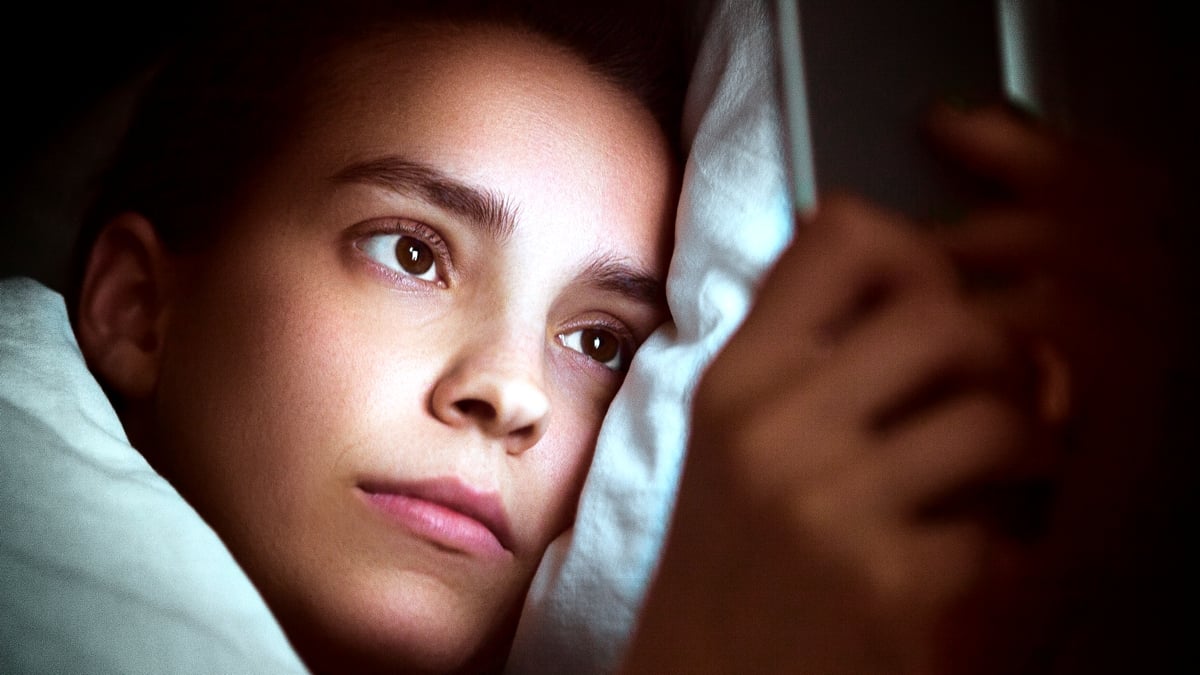
- Social media health tips often lack scientific validation
- Doctors report rise in patients harmed by unproven remedies
- Experts recommend checking sources before following advice
Social media feeds are flooded with health advice—some helpful, some dangerous, and most unchecked by medical professionals. A 2023 Pew Research Center survey found 68% of Americans have tried at least one health tip they saw on platforms like TikTok, Instagram or Facebook. But doctors are warning that many of these suggestions bypass scientific scrutiny, sometimes with serious consequences.
Why unverified health advice spreads so fast
Algorithms on major platforms prioritize engagement over accuracy, pushing sensational content regardless of medical validity. Posts claiming to cure chronic conditions with a single supplement or extreme diet often rack up millions of views before fact-checkers can intervene. A BMJ study last year tracked 2,000 viral health videos and found only 14% contained fully accurate information. The rest included exaggerated claims, outdated treatments, or outright falsehoods.
The real risks people face
Emergency rooms have seen a rise in cases linked to social media trends. Doctors report cases of liver failure from unregulated supplements, dangerous drug interactions from self-prescribed herbal remedies, and severe dietary deficiencies caused by viral fasting challenges. One 2022 case involved a teenager hospitalized after attempting a challenger diet promoted on TikTok, resulting in acute malnutrition.
How to spot misinformation in your feed
Experts advise looking for red flags: claims of miraculous cures, before-and-after photos with no medical context, and posts that encourage skipping professional care. Check if the advice cites peer-reviewed research or links to reputable institutions like the World Health Organization or Mayo Clinic. Be skeptical of posts that pressure users to act immediately or feature unverified personal stories without expert input.
What health professionals recommend
Doctors urge patients to discuss any social media health tips with their physicians before trying them. The American Medical Association recently updated its ethics guidelines to include social media health advice as a patient safety issue. Clinicians report growing numbers of patients arriving with side effects from unproven treatments, complicating their care. Patients should also cross-check advice with databases like Cochrane Reviews for systematic evidence summaries.
When platforms finally take action
Social media companies have begun labeling health-related content, but enforcement remains inconsistent. Meta and TikTok now partner with fact-checking organizations to review medical claims, but the process lags behind viral spread. Critics argue platforms need stricter pre-screening for health-related content to prevent harm before posts go live. Until then, users bear the responsibility of verifying what they share.
Most viral health advice online hasn’t been tested for safety or effectiveness, yet millions try it anyway. Before swiping right on a new wellness hack, pause and verify—your health might depend on it.
What You Need to Know
- Source: ScienceAlert
- Published: May 16, 2026 at 01:00 UTC
- Category: Science
- Topics: #science · #biology · #chemistry · #your-social-feed · #buzzing-with-health · #advice
Read the Full Story
This is a curated summary. For the complete article, original data, quotes and full analysis:
All reporting rights belong to the respective author(s) at ScienceAlert. GlobalBR News summarizes publicly available content to help readers discover the most relevant global news.
Curated by GlobalBR News · May 16, 2026
Related Articles
🇧🇷 Resumo em Português
O Brasil, que lidera o ranking mundial de uso de redes sociais com mais de 170 milhões de usuários conectados diariamente, enfrenta um desafio invisível: a propagação de conselhos médicos duvidosos que circulam entre dicas de fitness, receitas milagrosas e alertas de saúde viralizados. Com a popularização de influenciadores digitais e grupos de bem-estar, informações sem embasamento científico ganham cada vez mais espaço, colocando em risco a saúde da população — especialmente em um país onde a desinformação pode custar vidas quando substitui orientações profissionais.
O fenômeno não é exclusividade nacional, mas ganha contornos preocupantes no Brasil devido à desigualdade de acesso ao sistema de saúde e à alta confiança em soluções rápidas compartilhadas on-line. Estudos recentes indicam que 6 em cada 10 brasileiros já seguiram recomendações de saúde encontradas em plataformas digitais, muitas vezes sem questionar a origem ou a validade científica. A falta de regulamentação clara e a velocidade com que conteúdos são disseminados amplificam o problema, tornando essencial que o público desenvolva senso crítico para filtrar o que é seguro — como alertam especialistas em saúde pública, que destacam o risco de dietas extremas, suplementos não testados e até tratamentos alternativos sem comprovação.
Enquanto isso, iniciativas de checagem de fatos e parcerias entre plataformas digitais e instituições médicas buscam conter a maré de desinformação, mas a solução definitiva depende, acima de tudo, de uma população mais crítica — e de políticas públicas que priorizem a educação midiática em saúde.
🇪🇸 Resumen en Español
La red social se ha convertido en un hervidero de consejos sanitarios que, en demasiadas ocasiones, distan mucho de ser fiables. Un reciente análisis revela cómo distinguir entre recomendaciones peligrosas y aquella información con base científica que sí puede mejorar nuestra salud.
El auge de influencers y cuentas sin credenciales médicas ha saturado plataformas como TikTok o Instagram con remedios virales que prometen soluciones mágicas, desde dietas milagro hasta terapias alternativas sin aval. Para los hispanohablantes, este fenómeno es especialmente preocupante: la desinformación no solo afecta a la salud individual, sino que puede propagarse rápidamente en comunidades con menos recursos para acceder a fuentes contrastadas. Expertos insisten en verificar siempre el origen de los consejos, buscar sellos de instituciones reconocidas —como la OMS o sociedades médicas— y, ante la duda, consultar a un profesional sanitario antes de adoptar cualquier cambio en los hábitos. La prevención, advierten, empieza por un escepticismo sano ante lo que, a simple vista, parece demasiado bueno para ser verdad.
ScienceAlert
Read full article at ScienceAlert →This post is a curated summary. All rights belong to the original author(s) and ScienceAlert.
Was this article helpful?


Discussion