James Murdoch nears $300M media buy as companies pay $100M+ for human-made talk shows and podcasts.
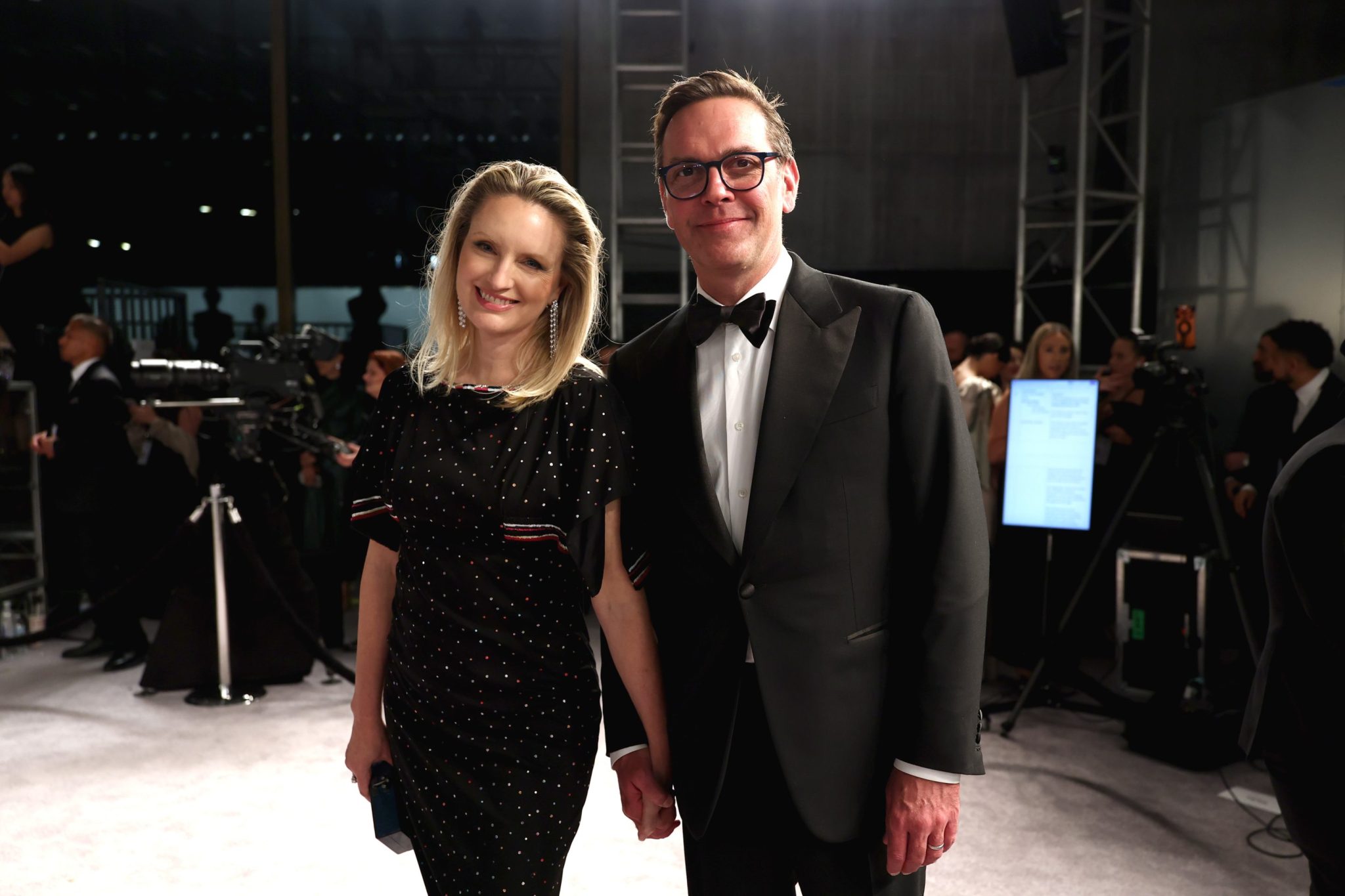
- Murdoch firm nears $300M+ deal for New York Magazine and Vox Media podcasts
- OpenAI paid $100M for a daily tech talk show earlier this year
- Paramount Skydance bought The Free Press for $150M and named Bari Weiss CBS News editor
The media world just got a clear signal: companies are willing to pay hundreds of millions for content made by humans, not machines. James Murdoch’s Lupa Systems is in the final stages of buying New York Magazine and Vox Media’s podcast network for a reported $300 million or more. That’s the same price paid for top-tier podcasts and newsletters in the last year alone. Lupa already owns the Tribeca Festival and a stake in Art Basel, but this deal would bulk up its media portfolio significantly.
Earlier this year, OpenAI dropped over $100 million for The Rundown, a daily tech talk show that pulls in about $5 million a year. It wasn’t a bet on AI-generated content—it was a bet on humans talking, explaining, and building trust. The purchase price works out to around 20 times the show’s annual revenue, a steep multiple for a media property. That’s not a mistake. It’s a strategy.
The trend isn’t limited to tech giants. In late 2025, Paramount Skydance bought The Free Press—the newsletter and podcast network built around Bari Weiss—for roughly $150 million. Then they put Weiss in charge of CBS News as editor-in-chief. It’s a bold move that ties a high-profile media brand to a legacy news network. Weiss isn’t just a writer; she’s a personality, and personalities drive audience loyalty in the attention economy.
Then there’s Joe Rogan. His Spotify deal was renewed for a reported $250 million, making it one of the most expensive podcast contracts ever. Rogan’s appeal isn’t algorithms or AI—it’s his unfiltered, hour-long conversations with everyone from Elon Musk to controversial figures. Humans tune in to watch other humans think, argue, and react in real time.
Alex Cooper did the same math. After her $60 million Spotify deal expired, she moved to SiriusXM for a reported $125 million. Cooper’s Call Her Daddy isn’t just a show—it’s a cultural phenomenon built on her chemistry with listeners and guests. Her new deal proves that even in a fragmented media world, a strong human connection is still worth a fortune.
Why are companies betting so big on human-made content?
The answer is simple: trust. AI can generate text, images, and even podcast scripts, but it struggles to replicate the authenticity of a live conversation, the nuance of a well-reported story, or the emotional pull of a personality-driven show. OpenAI, Spotify, and others aren’t just buying content—they’re buying credibility. A human-led show builds loyalty. A machine-made product often feels disposable.
This isn’t just about talk shows. The broader media industry is reshaping around personality-driven platforms. Newsletters like The Free Press work because Weiss’s voice and perspective feel personal, not automated. Podcast networks like Vox Media thrive because they curate human stories, not AI-generated summaries. Even traditional magazines like New York survive by leaning into editorial voices that readers trust.
The human premium is real
The numbers don’t lie. OpenAI paid 20 times annual revenue for The Rundown. Paramount Skydance paid 100 times revenue for The Free Press (based on rough estimates). Rogan’s $250 million deal works out to nearly 50 times his annual earnings. These aren’t rational financial moves by traditional standards—they’re bets on the irreplaceable value of human creativity and connection.
For media buyers, the message is clear: if you want audience attention, you need a human at the center. AI can assist, but it can’t replace the spark of a real conversation or the trust built over years of consistent, authentic content.
What’s next?
More deals will follow. Expect legacy media companies to bulk up on podcasts and newsletters as they fight for relevance. Tech giants will keep snapping up human-led content to offset their AI shortcomings. And personalities like Rogan, Cooper, and Weiss will see their market value keep climbing. The message is simple: in a world drowning in AI-generated noise, the clearest signal is a human voice.
What You Need to Know
- Source: Fortune
- Published: May 17, 2026 at 12:45 UTC
- Category: Business
- Topics: #fortune · #business · #economy · #openai · #open
Read the Full Story
This is a curated summary. For the complete article, original data, quotes and full analysis:
All reporting rights belong to the respective author(s) at Fortune. GlobalBR News summarizes publicly available content to help readers discover the most relevant global news.
Curated by GlobalBR News · May 17, 2026
Related Articles
- Zillow’s remote-only hiring brings in talent from all 50 states
- Your fixed mortgage payment keeps rising — here’s why
- Why working-class voices matter for UK culture and media
🇧🇷 Resumo em Português
A disputa pelo controle do conteúdo humano como novo ativo de valor está esquentando. Enquanto a OpenAI fechou um acordo de US$ 100 milhões para garantir direitos exclusivos sobre um talk show de tecnologia, o bilionário James Murdoch mira um negócio ainda maior: a aquisição de gigantes do jornalismo e entretenimento, como New York Magazine e Vox Media, por até US$ 300 milhões.
Essa movimentação revela uma corrida global para dominar a produção e distribuição de conteúdo gerado por seres humanos, em um momento em que a inteligência artificial avança e ameaça sobrepujar a criatividade tradicional. Para o Brasil, onde a indústria de mídia enfrenta desafios como a concorrência das big techs e a queda na receita publicitária, o fenômeno serve como um alerta — e uma oportunidade. A compra desses veículos por Murdoch, ex-CEO da 21st Century Fox, sinaliza que o setor de comunicação está se tornando um novo campo de batalha para quem busca monopolizar não só a informação, mas também a atenção do público, um recurso cada vez mais escasso e disputado.
Se o negócio se concretizar, o episódio pode redefinir o futuro do jornalismo e do entretenimento, acelerando a concentração de mídia nas mãos de poucos players — ou, quem sabe, abrir espaço para modelos inovadores que coloquem o conteúdo de qualidade no centro da estratégia.
🇪🇸 Resumen en Español
El mundo de los medios vive una carrera sin precedentes por controlar el contenido más valioso: la atención humana. Mientras OpenAI invertía 100 millones en un programa de entrevistas tecnológicas, James Murdoch apunta a un acuerdo de 300 millones para hacerse con revistas como New York Magazine y podcasts de Vox Media, demostrando que el activo más codiciado ya no es la infraestructura, sino la capacidad de cautivar audiencias.
Esta fiebre por los medios tradicionales refleja un cambio de paradigma: las grandes tecnológicas y los magnates buscan no solo datos, sino narrativas que moldeen la opinión pública. Para los hispanohablantes, la implicación es clara: en un ecosistema dominado por algoritmos, el futuro del periodismo podría depender de quién controle las historias que definen la conversación global. La pregunta, entonces, es quién terminará contando —o distorsionando— la realidad en español.
Fortune
Read full article at Fortune →This post is a curated summary. All rights belong to the original author(s) and Fortune.
Was this article helpful?



Discussion