Trump and Netanyahu signal possible military move to seize Iran’s enriched uranium as nuclear talks fail.
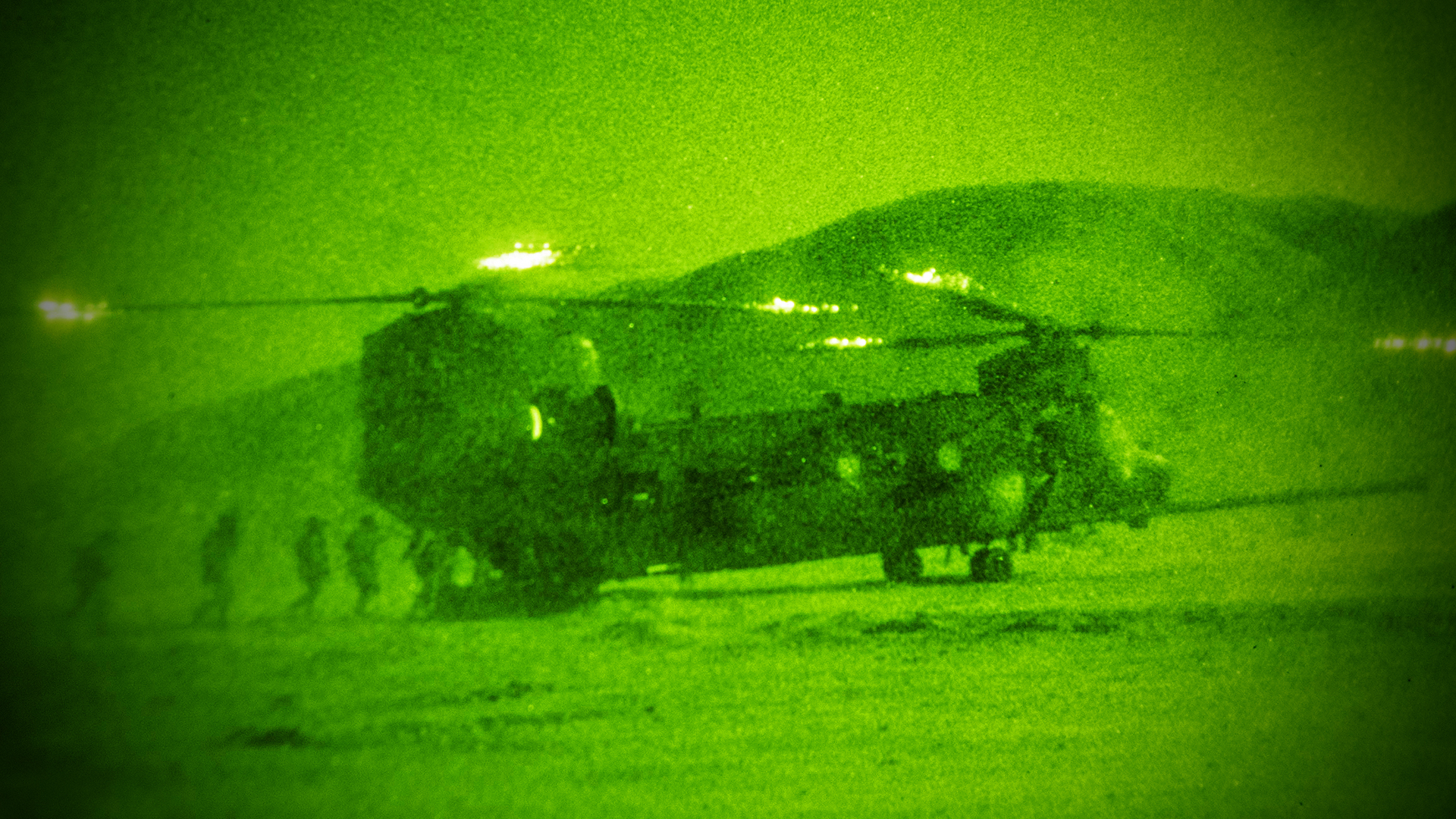
- Trump suggests US troops could enter Iran to seize enriched uranium
- Netanyahu echoes plan in interview with 60 Minutes
- Failed nuclear talks raise possibility of military intervention
President Donald Trump on Monday raised the prospect of U.S. troops entering Iran to remove its stockpile of highly enriched uranium (HEU), a statement echoed the previous day by Israeli Prime Minister Benjamin Netanyahu. The comments follow the collapse of negotiations between Western powers and Iran over its nuclear program, signaling a potential shift toward military options after years of diplomatic failure.
In a Monday interview with The New York Times, Trump did not rule out a direct military operation to seize Iran’s enriched uranium, stating that the U.S. would take action if necessary to prevent Tehran from developing nuclear weapons. Netanyahu, in an interview with 60 Minutes aired Sunday, similarly suggested that military measures remained on the table if diplomacy failed. The timing and phrasing of both statements suggest coordinated messaging between Washington and Jerusalem, raising questions about a shared strategy.
Rising Tensions After Failed Nuclear Talks
The possibility of a military operation to retrieve Iran’s enriched uranium has gained traction as Iran continues to expand its nuclear capabilities despite international pressure. The Trump administration has repeatedly accused Iran of violating the 2015 nuclear deal, formally known as the Joint Comprehensive Plan of Action (JCPOA), and has withdrawn from the agreement in 2018. Since then, Iran has resumed uranium enrichment, reducing its breakout time—the period needed to produce enough fissile material for a nuclear weapon—from over a year to just weeks.
Negotiations to revive the JCPOA have stalled for months, with both sides blaming the other for intransigence. Iran has demanded the lifting of all U.S. sanctions, while the U.S. insists on stricter limits on Iran’s nuclear activities. With no resolution in sight, military options are increasingly discussed in Washington and Tel Aviv as a last resort to curb Iran’s nuclear ambitions.
Risks of a Military Operation
A mission to seize Iran’s enriched uranium would be one of the most complex and risky military operations in modern history. Iran’s nuclear sites are heavily fortified, dispersed across the country, and protected by advanced air defense systems. The Fordow facility, buried deep underground, and the Natanz enrichment plant, which has suffered multiple sabotage attacks, are among the most challenging targets.
Military analysts warn that such an operation could trigger a full-scale conflict in the Middle East, drawing in regional powers and destabilizing global oil markets. Iran has vowed to retaliate against any attack on its nuclear facilities, and its proxies in Iraq, Syria, Lebanon, and Yemen have previously launched strikes against U.S. and Israeli targets. The Islamic Revolutionary Guard Corps (IRGC) has also signaled readiness to respond to perceived aggression.
International Reactions and Diplomatic Fallout
The potential for military action has drawn mixed reactions from the international community. European allies, including France and Germany, have warned against any escalation and urged a return to diplomacy. Russia and China, both signatories to the JCPOA, have criticized the U.S. withdrawal from the deal and called for restraint. Meanwhile, U.S. allies in the Middle East, such as Saudi Arabia and the United Arab Emirates, have expressed support for a firm stance against Iran’s nuclear program.
The United Nations has called for restraint, with Secretary-General António Guterres warning that a military strike could have catastrophic consequences. The International Atomic Energy Agency (IAEA) has also expressed concern over Iran’s enrichment activities but has stopped short of endorsing military action. The agency continues to monitor Iran’s compliance with its nuclear safeguards agreements, though access to some sites has been restricted in recent months.
What Happens Next?
The coming weeks will be critical in determining whether diplomacy can be revived or if military options move to the forefront. U.S. and Israeli officials have indicated that they are preparing for all contingencies, including covert operations to sabotage Iran’s nuclear program or targeted strikes on key facilities. Meanwhile, Iran has warned that any military action would result in a “decisive response” and has stepped up its military drills in the Persian Gulf and Strait of Hormuz.
For now, the focus remains on whether negotiators can bridge the gap between the U.S. and Iran before tensions escalate further. Analysts suggest that a combination of economic pressure, covert actions, and diplomatic backchannel talks may be employed to avoid a direct confrontation. However, the window for peaceful resolution is rapidly closing, and the risk of a miscalculation that could lead to war is higher than at any point since the 2015 nuclear deal was signed.
What You Need to Know
- Source: The Drive
- Published: May 11, 2026 at 23:44 UTC
- Category: War
- Topics: #military · #weapons · #conflict · #war · #possibility · #operation
Read the Full Story
This is a curated summary. For the complete article, original data, quotes and full analysis:
All reporting rights belong to the respective author(s) at The Drive. GlobalBR News summarizes publicly available content to help readers discover the most relevant global news.
Curated by GlobalBR News · May 11, 2026
Related Articles
- Wembanyama’s Spurs reach Western finals, Pistons stay alive in NBA playoffs
- 🎉 100 Articles in War!
- Man killed in great white shark attack in western Australia
🇧🇷 Resumo em Português
O presidente dos EUA, Donald Trump, e o primeiro-ministro israelense, Benjamin Netanyahu, passaram a insinuar abertamente uma intervenção militar para apreender o urânio enriquecido do Irã, enquanto as negociações nucleares entre Teerã e as potências internacionais seguem travadas há meses. A proposta, ainda não formalizada, reacende o debate sobre a escalada de tensões no Oriente Médio e seus desdobramentos globais, especialmente para países como o Brasil, que mantém relações complexas com todas as partes envolvidas.
O contexto é crítico: o Irã, sob sanções internacionais, continua enriquecendo urânio a níveis próximos aos necessários para fabricação de armas nucleares, segundo relatórios da AIEA. Enquanto isso, Israel, tradicionalmente avesso a um Irã nuclear, já realizou ataques a instalações iranianas em solo estrangeiro e, agora, com o apoio estratégico de Trump, sinaliza que não descarta ações unilaterais. Para o Brasil, que tem buscado um papel mediador em crises internacionais e mantém laços comerciais e diplomáticos tanto com Washington quanto com Teerã, a situação representa um novo desafio de equilíbrio, especialmente em um cenário onde a América Latina pode se tornar um palco indireto de pressões geopolíticas.
Se concretizada, uma operação militar contra as reservas de urânio iraniano poderia desencadear uma crise humanitária e energética de proporções globais, com reflexos imediatos no preço do petróleo e na segurança regional.
🇪🇸 Resumen en Español
El presidente Donald Trump y el primer ministro israelí, Benjamin Netanyahu, han insinuado la posibilidad de una intervención militar para incautar el uranio enriquecido de Irán, en un momento en que las negociaciones nucleares se encuentran estancadas y la tensión regional alcanza nuevos máximos.
La escalada retórica entre Washington y Tel Aviv refleja la frustración por el fracaso de las conversaciones internacionales para frenar el programa atómico iraní, que Teherán insiste en que es pacífico pero que sus adversarios ven como una amenaza directa. Si bien una acción militar contra las instalaciones nucleares iraníes podría debilitar su capacidad, también conllevaría riesgos de un conflicto a gran escala en Oriente Medio, con posibles repercusiones para la seguridad energética global y la estabilidad de los países hispanohablantes, muchos de los cuales dependen del suministro de petróleo. La comunidad internacional observa con preocupación cómo la diplomacia se desvanece y los actores clave barajan opciones cada vez más beligerantes.
The Drive
Read full article at The Drive →This post is a curated summary. All rights belong to the original author(s) and The Drive.
Was this article helpful?


Discussion